Urinary Incontinence Treatment in Mumbai: Expert Care by Dr. Maitreyee Parulekar
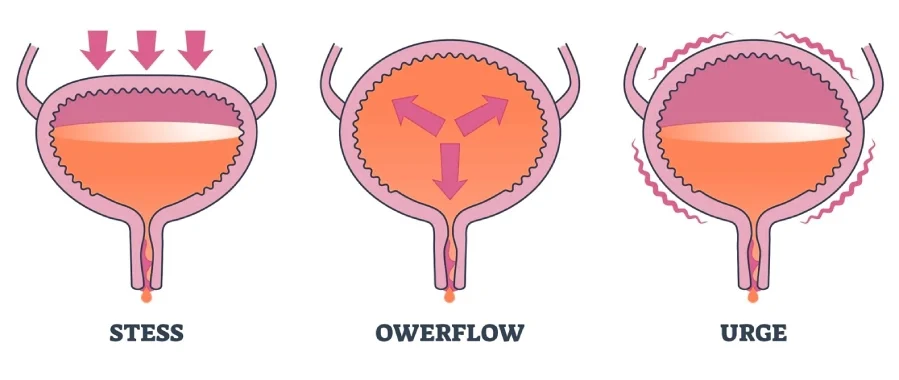
Urinary incontinence is a common yet often underreported condition that affects millions of women worldwide. Many women silently struggle with involuntary urine leakage during daily activities such as coughing, sneezing, laughing, exercising, or even while sleeping. While urinary incontinence can impact confidence, social interactions, and quality of life, it is important to know that effective treatment options are available.
If you are looking for expert Urinary Incontinence Treatment in Mumbai, Dr. Maitreyee Parulekar at Kirit Nursing Home offers comprehensive evaluation and advanced treatment solutions tailored to each patient’s unique needs. With extensive experience in gynecology, urogynecology, and minimally invasive surgery, she helps women regain comfort, confidence, and control over their daily lives.
What Is Urinary Incontinence?
Urinary incontinence refers to the involuntary leakage of urine due to loss of bladder control. The condition can range from occasional minor leaks to more significant urinary accidents that interfere with daily activities.
Although urinary incontinence becomes more common with age, it is not a normal part of aging and should not be ignored.
Types of Urinary Incontinence
Stress Urinary Incontinence
This is the most common type of urinary incontinence in women.
Leakage occurs during activities that increase abdominal pressure, including:
- Coughing
- Sneezing
- Laughing
- Running
- Lifting heavy objects
- Exercise
Urge Urinary Incontinence
Patients experience a sudden and intense urge to urinate followed by involuntary leakage.
Mixed Urinary Incontinence
A combination of both stress and urge urinary incontinence.
Overflow Incontinence
Occurs when the bladder does not empty completely, leading to frequent leakage.
Functional Incontinence
Results from physical or mobility limitations that prevent timely access to a restroom.
Common Causes of Urinary Incontinence
Several factors can contribute to urinary incontinence, including:
- Pregnancy and childbirth
- Menopause
- Aging-related pelvic floor weakness
- Obesity
- Chronic cough
- Neurological disorders
- Pelvic surgeries
- Hormonal changes
- Pelvic organ prolapse
Understanding the underlying cause is essential for developing an effective treatment plan.
Meet Dr. Maitreyee Parulekar – Experienced Gynecologist and Women’s Health Specialist
Dr. Maitreyee Parulekar is a highly qualified gynecologist, gynecologic surgeon, and women’s health specialist known for providing advanced and compassionate care for a wide range of gynecological conditions.
With extensive academic training and years of clinical experience, Dr. Parulekar specializes in urogynecology, gynecologic oncology, robotic surgery, laparoscopic procedures, pelvic floor disorders, and women’s wellness care.
Her expertise includes:
- Urinary incontinence treatment
- Pelvic floor reconstruction
- Robotic gynecologic surgery
- Gynecologic cancer management
- Minimally invasive surgery
- Menopause management
- High-risk gynecology
Many women seeking a Top Gynae Oncologist In Mumbai also consult Dr. Maitreyee Parulekar for her comprehensive approach to women’s healthcare and advanced surgical expertise.
Advanced Diagnosis for Urinary Incontinence
Successful treatment begins with identifying the exact cause of urine leakage.
Dr. Parulekar conducts a thorough evaluation that may include:
Detailed Medical History
Understanding symptoms, triggers, lifestyle factors, and previous medical conditions.
Physical Examination
Assessment of pelvic floor strength and overall gynecological health.
Urine Analysis
Helps identify infections or other urinary tract abnormalities.
Bladder Function Testing
Specialized tests may be recommended to evaluate bladder performance and urinary control.
Imaging Studies
Ultrasound or additional investigations may be used when necessary.
A personalized treatment plan is then developed based on the findings.
Treatment Options for Urinary Incontinence
Lifestyle Modifications
For mild cases, lifestyle changes can significantly improve symptoms.
Recommendations may include:
- Weight management
- Fluid intake adjustments
- Bladder training
- Dietary modifications
- Limiting caffeine and alcohol
Pelvic Floor Exercises
Strengthening pelvic floor muscles through targeted exercises can improve bladder control and reduce leakage.
Medication Management
Certain medications may help manage symptoms of urge urinary incontinence and overactive bladder.
Minimally Invasive Procedures
Advanced procedures may be recommended when conservative measures do not provide sufficient improvement.
Surgical Treatment
For moderate to severe stress urinary incontinence, surgical intervention may provide long-term relief.
Procedures may include:
- Sling surgeries
- Pelvic floor reconstruction
- Advanced urogynecologic procedures
Dr. Parulekar utilizes modern surgical techniques designed to maximize effectiveness while minimizing recovery time.
Why Early Treatment Matters
Many women delay treatment due to embarrassment or the belief that urinary leakage is a normal part of aging.
However, untreated urinary incontinence can lead to:
- Reduced confidence
- Social withdrawal
- Sleep disturbances
- Recurrent urinary infections
- Skin irritation
- Reduced quality of life
Seeking timely medical attention can significantly improve symptoms and overall well-being.
Why Choose Kirit Nursing Home?
Kirit Nursing Home provides specialized women’s healthcare services in a professional and patient-friendly environment.
Patients benefit from:
- Personalized consultations
- Modern diagnostic facilities
- Advanced gynecological care
- Comfortable clinical environment
- Comprehensive treatment planning
- Patient-focused care
- High standards of safety and hygiene
The clinic is dedicated to delivering compassionate healthcare while ensuring privacy, comfort, and individualized treatment.
Why Patients Trust Dr. Maitreyee Parulekar
Patients choose Dr. Parulekar because of her:
- Extensive gynecological expertise
- Advanced surgical skills
- Personalized treatment approach
- Focus on minimally invasive techniques
- Compassionate patient care
- Evidence-based medical practice
- Commitment to women’s health
As a respected Robotic Gynecologist In Vile Parle, Mumbai, she combines advanced technology with clinical excellence to deliver optimal patient outcomes.
Urinary Incontinence Treatment in Mumbai: Take the First Step Toward Better Health
Urinary incontinence is treatable, and no woman should have to compromise her quality of life because of bladder control issues.
If you are seeking expert Urinary Incontinence Treatment in Mumbai, Dr. Maitreyee Parulekar offers comprehensive evaluation, personalized treatment plans, and advanced medical and surgical solutions designed to help women regain confidence and independence.
Book Your Consultation with Dr. Maitreyee Parulekar
📍 Get Directions to Kirit Nursing Home
Meet Dr. Maitreyee Parulekar for a confidential consultation, detailed evaluation, and personalized treatment plan tailored to your specific needs. Receive expert care in a safe, supportive, and comfortable healthcare environment dedicated to women’s wellness.
Take the first step toward improved bladder control and a better quality of life by scheduling your appointment today.
Frequently Asked Questions (FAQs)
1. Is urinary incontinence a normal part of aging?
No. While urinary incontinence becomes more common with age, it is not a normal part of aging and should be evaluated by a healthcare professional.
2. Can urinary incontinence be treated without surgery?
Yes. Many patients benefit from lifestyle changes, pelvic floor exercises, bladder training, and medications before surgical treatment is considered.
3. When should I consult a specialist for urinary leakage?
You should seek medical advice if urinary leakage affects your daily activities, confidence, sleep, exercise routine, or overall quality of life.
4. Are surgical treatments for urinary incontinence safe?
Modern urogynecologic procedures are generally safe and effective when performed by experienced specialists. The most suitable treatment depends on the type and severity of incontinence.


Comments
Post a Comment