Stomach Cancer Surgery in Mumbai – Advanced Gastric Cancer Treatment with Dr. Ganesh Nagarajan
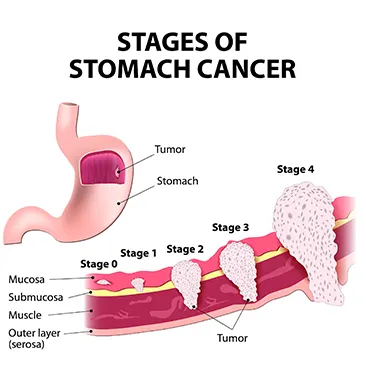
A diagnosis of stomach cancer can feel overwhelming, but advances in surgical oncology have significantly improved treatment outcomes. Early diagnosis, accurate staging, and expert surgical care play a vital role in achieving the best possible results. Surgery remains one of the most effective treatment options for many patients with gastric cancer, particularly when diagnosed in the early or locally advanced stages.
If you are searching for expert Stomach Cancer Surgery, Dr. Ganesh Nagarajan offers comprehensive and evidence-based treatment tailored to every patient’s condition. At the Cancer Surgery Clinic, patients receive multidisciplinary cancer care supported by advanced surgical techniques, modern technology, and compassionate guidance throughout their treatment journey.
Understanding Stomach Cancer
Stomach cancer, also known as gastric cancer, develops when abnormal cells grow uncontrollably in the lining of the stomach. Over time, these cells can invade nearby tissues and spread to other parts of the body if left untreated.
Several factors increase the risk of developing gastric cancer, including:
- Helicobacter pylori infection
- Smoking
- Family history of stomach cancer
- Chronic gastritis
- High intake of smoked and processed foods
- Obesity
- Increasing age
- Certain inherited genetic syndromes
Although stomach cancer often develops gradually, early detection greatly improves the chances of successful treatment.
Common Symptoms of Stomach Cancer
Early-stage stomach cancer may not produce obvious symptoms. As the disease progresses, patients may experience:
- Persistent indigestion
- Upper abdominal discomfort
- Loss of appetite
- Unexplained weight loss
- Difficulty swallowing
- Persistent nausea or vomiting
- Feeling full after eating small meals
- Blood in vomit or stools
- Fatigue caused by anaemia
If these symptoms persist, prompt medical evaluation is essential.
When is Surgery Recommended?
Surgery is the primary treatment for most localised and locally advanced stomach cancers. The goal is to completely remove the tumour along with surrounding tissues and nearby lymph nodes to reduce the risk of recurrence.
Depending on the stage and location of the tumour, surgery may be performed alone or combined with chemotherapy before or after the operation to improve long-term outcomes.
What Does Stomach Cancer Surgery Involve?
Stomach Cancer Surgery is carefully planned after comprehensive diagnostic investigations, including endoscopy, biopsy, CT scans, PET scans, and staging assessments.
The surgical procedure may include:
Partial Gastrectomy
If the tumour is confined to one part of the stomach, only the affected portion is removed while preserving healthy stomach tissue whenever possible.
Total Gastrectomy
For larger or more extensive cancers, the entire stomach may need to be removed. The digestive tract is then reconstructed to allow food to pass normally.
Lymph Node Dissection
Removal of surrounding lymph nodes is an essential part of gastric cancer surgery because cancer cells can spread through the lymphatic system.
Whenever appropriate, minimally invasive laparoscopic or robotic techniques may be considered to reduce postoperative discomfort and support quicker recovery.
Benefits of Expert Surgical Treatment
Under the care of an experienced gastrointestinal surgical oncologist, patients benefit from:
- Complete tumour removal whenever possible
- Accurate cancer staging
- Better long-term disease control
- Improved survival outcomes
- Comprehensive multidisciplinary treatment planning
- Personalised postoperative follow-up
Every treatment plan is customised according to tumour stage, patient health, and individual treatment goals.
Preparing for Surgery
Before surgery, patients undergo detailed evaluation, including:
- Blood investigations
- Imaging studies
- Nutritional assessment
- Anaesthetic fitness evaluation
- Cardiac assessment when required
- Preoperative counselling
This careful preparation helps optimise patient safety and recovery.
Recovery After Gastric Cancer Surgery
Recovery varies depending on the extent of surgery and the patient’s overall health.
Following surgery, patients receive:
- Pain management
- Early mobilisation
- Nutritional guidance
- Wound care
- Gradual reintroduction of oral feeding
- Regular follow-up appointments
Dietary modifications are often recommended while the digestive system adapts after surgery. Long-term nutritional support is an important component of recovery.
Why Choose Dr. Ganesh Nagarajan?
Dr. Ganesh Nagarajan is one of India’s leading gastrointestinal and hepatopancreatobiliary surgical oncologists with extensive expertise in the treatment of complex abdominal cancers. Recognised as a highly respected onco surgeon in Mumbai, he specialises in cancers affecting the stomach, pancreas, liver, bile ducts, gallbladder, colon, and other gastrointestinal organs.
He has received advanced surgical training and possesses decades of experience in performing complex cancer surgeries using evidence-based protocols and internationally accepted treatment standards. His clinical expertise includes gastric cancer surgery, pancreatic cancer surgery, liver cancer surgery, minimally invasive oncological procedures, and multidisciplinary cancer management.
Dr. Ganesh Nagarajan believes that every patient deserves an individualised treatment plan developed through careful evaluation and discussion with a multidisciplinary cancer team. His focus remains on delivering safe surgery while preserving quality of life and achieving the best possible oncological outcomes.
Comprehensive Care at Cancer Surgery Clinic
The Cancer Surgery Clinic in Mumbai provides specialised care for patients with gastrointestinal and abdominal cancers. The clinic follows a patient-centred approach supported by modern diagnostic facilities and multidisciplinary expertise.
Patients receive:
- Comprehensive cancer evaluation
- Advanced surgical planning
- Personalised treatment protocols
- Minimally invasive surgical options where appropriate
- Multidisciplinary cancer care
- Long-term surveillance and follow-up
- Compassionate patient counselling
The clinic’s commitment to precision, safety, and evidence-based oncology ensures that every patient receives comprehensive cancer care throughout their treatment journey.
Importance of Early Diagnosis
Early-stage stomach cancer often has significantly better treatment outcomes than advanced disease. Anyone experiencing persistent digestive symptoms or unexplained weight loss should seek prompt evaluation by an experienced gastrointestinal cancer specialist.
Timely diagnosis allows treatment to begin before the cancer progresses, increasing the likelihood of successful surgery and improved long-term survival.
Book Your Consultation with Dr. Ganesh Nagarajan
Receiving expert surgical care at the right time can make a significant difference in the treatment of stomach cancer. Dr. Ganesh Nagarajan offers personalised treatment plans based on the latest advances in gastrointestinal oncology, ensuring every patient receives comprehensive, evidence-based care.
Whether you require evaluation, a second opinion, or specialised cancer surgery, expert guidance is available to help you make informed decisions about your treatment.
📧 hello@cancersurgeryclinic.com
📍 Get directions to the clinic
Frequently Asked Questions
1. Is surgery the best treatment for stomach cancer?
Surgery is often the primary treatment for localised stomach cancer and may be combined with chemotherapy depending on the stage and characteristics of the disease.
2. Can stomach cancer be treated with minimally invasive surgery?
Yes. Many patients are suitable candidates for laparoscopic or minimally invasive techniques, depending on tumour location, stage, and overall health.
3. How long does recovery take after stomach cancer surgery?
Most patients remain in the hospital for several days after surgery, while complete recovery may take several weeks. Recovery depends on the type of surgery performed and individual health factors.
4. Will I be able to eat normally after surgery?
Most patients gradually return to eating with guidance from their surgical and nutrition teams. Dietary adjustments are often recommended initially to support healing and digestion.


Comments
Post a Comment