Best Brain Surgeon in South Mumbai: Advanced Neurosurgical Care by Dr. Manish Baldia
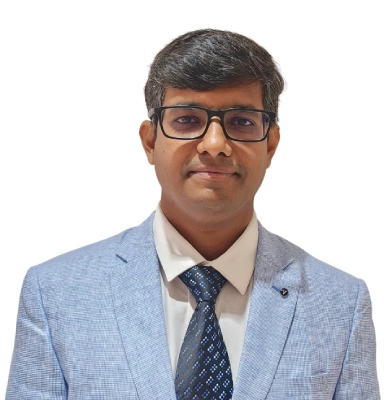
The brain and spine control essential functions ranging from movement and sensation to memory, coordination and communication. When neurological problems develop, timely diagnosis and access to specialised neurosurgical care can make an important difference in treatment planning and recovery.
When you are looking for the Best Brain Surgeon in South Mumbai, choosing a neurosurgeon with specialised training, extensive clinical experience and expertise in complex neurological conditions is essential. Dr. Manish Baldia is an internationally recognised functional neurosurgeon with more than a decade of experience in treating brain, spine and movement disorders. His expertise includes Deep Brain Stimulation (DBS), Parkinson’s disease, dystonia and complex neurosurgical procedures, with more than 120 DBS surgeries and over 1,000 advanced DBS programming sessions to his experience.
Understanding Brain and Spine Disorders
Neurological disorders can present differently depending on the part of the brain, spinal cord or nerves involved. Some symptoms may develop gradually, while others can require urgent medical attention.
Common neurological symptoms may include:
- Persistent or severe headaches
- Seizures or unexplained episodes of loss of consciousness
- Memory or cognitive changes
- Weakness or paralysis
- Problems with balance and coordination
- Tremors or involuntary movements
- Numbness or tingling
- Chronic neck or back pain
- Difficulty walking
- Changes in bladder or bowel function
The symptoms of brain and spine conditions can overlap with other medical problems, so professional neurological assessment is important. Diagnostic evaluation may include neurological examination, MRI or CT imaging, EEG and other investigations depending on the suspected condition.
Why Specialised Neurosurgical Care Matters
Neurosurgery involves highly sensitive structures, making accurate diagnosis, detailed treatment planning and surgical precision essential. Not every neurological condition requires surgery. Depending on the diagnosis, treatment may involve medication, physiotherapy, lifestyle measures, psychological support, minimally invasive intervention or surgery.
When conservative treatment is insufficient or a surgical condition is identified, a neurosurgeon can explain the available options and expected outcomes.
Dr. Baldia’s practice covers advanced functional neurosurgery as well as complex brain and spine procedures. His listed areas of treatment include DBS, Parkinson’s disease, epilepsy and seizures, CyberKnife radiosurgery, Gamma Knife surgery, spinal cord tumour surgery and cranioplasty.
Dr. Manish Baldia: Qualifications and Experience
Dr. Manish Baldia holds an MBBS and an MCh in Neurosurgery from Christian Medical College (CMC), Vellore. He completed his MCh in 2017 and subsequently pursued a Fellowship in Functional Neurosurgery and Neuromodulation (EEPIN) in London.
His professional journey includes significant academic and clinical experience at CMC Vellore. He previously served as an Assistant and Associate Professor of Neurosurgery there, where he assisted in more than 1,200 cases and independently performed over 400 complex cranial and spinal procedures.
He currently serves as a Consultant Functional Neurosurgeon at several institutions, including Ruby Hall Clinic in Pune, Apollo Hospital in Navi Mumbai, Saifee Hospital, Wockhardt Hospitals and Lalbaug Diagnostic Centre in Mumbai.
His academic and professional work has also received recognition, including the Young Neurosurgeon Award, Best Researcher Awards at CMC Vellore and awards for papers and posters at neurosurgical conferences.
Expertise in Deep Brain Stimulation
One of Dr. Baldia’s major areas of expertise is Deep Brain Stimulation. DBS is a specialised neurosurgical treatment used for selected patients with movement disorders such as Parkinson’s disease and dystonia.
The procedure involves placing electrodes in specific areas of the brain and connecting them to a neurostimulator. Carefully controlled electrical stimulation can help regulate abnormal brain activity associated with certain movement disorders.
Dr. Baldia has performed more than 120 DBS surgeries and has experience with advanced DBS programming. His practice also highlights white-matter tractography-guided targeting and management of complex or failed DBS cases.
Patients considering Deep Brain Stimulation Surgery in Mumbai require comprehensive assessment because suitability depends on factors such as diagnosis, symptoms, response to medication and overall health. A specialist evaluation can help determine whether DBS or another treatment approach is appropriate.
Parkinson’s Disease and Movement Disorders
Parkinson’s disease can affect movement, balance and everyday activities. Symptoms may include tremors, stiffness, slowed movement and problems with posture or gait.
Treatment is individualised. Medication and rehabilitation may be appropriate for many patients, while selected individuals with advanced disease or specific treatment challenges may be considered for DBS.
Patients searching for the best doctor for parkinsons in mumbai should consider specialist experience in movement disorders, DBS evaluation, surgical targeting and postoperative programming. Dr. Baldia’s dedicated functional neurosurgical practice focuses extensively on Parkinson’s disease, dystonia and related movement disorders.
Complex Brain and Spine Surgery
Dr. Baldia’s expertise extends beyond functional neurosurgery. His clinical background includes complex cranial and spinal procedures, while his practice lists several specialised treatments for brain and spine disorders.
Depending on the diagnosis, neurosurgical procedures may include:
- Craniotomy for selected brain conditions
- Discectomy for certain disc-related problems
- Laminectomy for spinal compression
- Spinal fusion for appropriate spinal instability
- Surgery for spinal cord tumours
- Cranioplasty
- Stereotactic and radiosurgical procedures
The treatment selected depends entirely on the underlying condition and individual clinical findings. Surgery is recommended only when the potential benefits justify the risks.
Advanced Neurosurgical Techniques
Modern neurosurgery has benefited from advances in imaging, navigation, minimally invasive approaches and intraoperative monitoring.
For suitable conditions, minimally invasive or endoscopic techniques can reduce tissue disruption and may support recovery. Intraoperative neurological monitoring can provide real-time information about important neurological structures during surgery.
Functional neurosurgery can also require highly precise targeting. Dr. Baldia’s practice describes the use of advanced techniques including white-matter tractography-guided targeting for selected DBS procedures.
A Patient-Centred Approach
Advanced technology is only one part of neurological care. Dr. Baldia’s stated philosophy combines medical expertise with compassion and personalised treatment planning. His approach involves thorough assessment, precise diagnosis and an individualised plan for each patient.
This is particularly important in complex neurological conditions, where treatment decisions may involve multiple factors. Patients and families often need clear explanations about the diagnosis, possible treatments, surgical expectations, recovery and follow-up.
A supportive clinical environment can help patients feel more comfortable asking questions and participating in treatment decisions.
Diagnosis Before Treatment
A detailed diagnosis is the foundation of appropriate neurosurgical care. Depending on the symptoms, doctors may recommend MRI or CT scans, EEG, neurological examinations or other investigations.
For movement disorders, assessment may also involve understanding symptom progression, medication response and functional limitations. In DBS candidates, careful evaluation is particularly important before deciding whether surgery is appropriate.
Patients should not assume that every neurological symptom requires an operation. A specialist consultation helps distinguish conditions that may be managed conservatively from those that could benefit from surgical intervention.
Recovery and Follow-Up
Postoperative care is an important component of neurosurgical treatment. Depending on the procedure, recovery may involve pain management, rehabilitation, physical or occupational therapy and regular clinical follow-up.
For DBS patients, follow-up can include programming and adjustments of stimulation settings. Dr. Baldia’s experience includes more than 1,000 advanced DBS programming sessions, highlighting the importance of ongoing management after implantation.
Family support can also play an important role during recovery, particularly when neurological conditions affect mobility or daily activities.
When Should You Consult a Neurosurgeon?
A neurosurgical consultation may be appropriate when a patient has a diagnosed neurological condition requiring specialist assessment or symptoms suggesting a structural or functional problem.
Seek medical evaluation for persistent or unexplained symptoms such as seizures, significant weakness, progressive movement problems, severe neurological deficits, persistent numbness, or symptoms associated with known brain or spinal conditions.
Urgent neurological symptoms, particularly sudden weakness, loss of consciousness, severe headache or other sudden neurological changes, require prompt medical assessment.
Contact Details
If you are considering a consultation for a neurological condition, Best Brain Surgeon in South Mumbai services should begin with an accurate diagnosis and a personalised treatment discussion rather than a decision based solely on a procedure or online search ranking.
📞 Call: 096767 67507
If you or a family member has been diagnosed with a brain, spine or movement disorder, contact Baldia’s Advance Neuro Parkinson’s and Spine Centre to schedule an appointment with Dr. Manish Baldia. A specialist consultation can help you understand the diagnosis, available treatment options and whether advanced neurosurgical care may be appropriate for your condition.
Frequently Asked Questions
1. What qualifications does Dr. Manish Baldia have?
Dr. Manish Baldia holds an MBBS and MCh in Neurosurgery from Christian Medical College, Vellore, and a Fellowship in Functional Neurosurgery and Neuromodulation (EEPIN) from London.
2. What conditions does Dr. Manish Baldia treat?
His areas of expertise include Parkinson’s disease, dystonia, movement disorders, epilepsy and seizures, complex brain and spine conditions, and selected conditions requiring DBS. His practice also lists spinal cord tumour surgery, cranioplasty, Gamma Knife and CyberKnife treatments.
3. What is Deep Brain Stimulation?
Deep Brain Stimulation is a specialised treatment involving implantation of electrodes in targeted areas of the brain to provide controlled electrical stimulation. It may be considered for selected patients with movement disorders such as Parkinson’s disease and dystonia.
4. How can I book an appointment with Dr. Manish Baldia?
You can contact Baldia’s Advance Neuro Parkinson’s and Spine Centre at 096767 67507. The clinic is located on Dr Babasaheb Ambedkar Marg in Lal Baug, Parel, Mumbai, and is open from 9:00 am to 9:00 pm.


Comments
Post a Comment