Best Q Switched Laser Treatment in South Mumbai: Advanced Pigmentation & Tattoo Removal with Dr. Deepam Shah
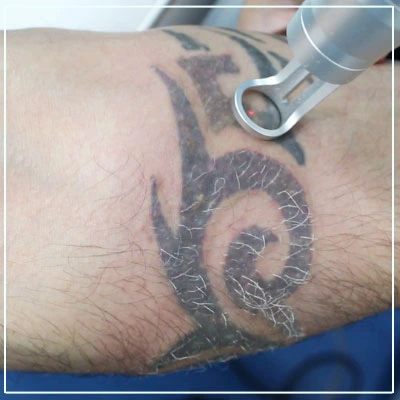
Clear, even-toned skin is an important part of a healthy and confident appearance. However, pigmentation, dark spots, freckles, age spots, unwanted tattoos, and certain vascular concerns can affect the appearance of the skin. With advancements in dermatology and laser technology, targeted treatments can address specific pigmentation concerns while minimizing the effect on surrounding skin.
Q-Switched Nd:YAG laser treatment is one such advanced laser technology used for pigmentation and tattoo removal. At Viva Aesthetic Clinic, Dr. Deepam Shah provides laser and aesthetic treatments based on individual skin concerns and treatment requirements. The clinic describes Q-Switched Nd:YAG as an advanced therapy used primarily for skin pigmentation and tattoo removal.
For individuals searching for the best q switched laser treatment in south mumbai, a consultation with an experienced dermatologist can help determine whether this treatment is appropriate for the type and depth of pigmentation being treated.
What Is Q-Switched Nd:YAG Laser Treatment?
Q-Switched Nd:YAG is a laser technology designed to deliver very short pulses of high-energy light. The laser targets pigment in the skin, breaking it into smaller particles that the body’s natural processes can subsequently clear.
The treatment can specifically target brown pigment or melanin associated with dark spots while limiting the effect on the surrounding skin. Viva Aesthetic Clinic also uses Q-Switched Nd:YAG technology for tattoo removal, where laser energy targets tattoo pigments and breaks them down into smaller particles.
The appropriate wavelength and treatment settings depend on the pigmentation, skin type, location, and clinical objective. A dermatologist should evaluate the skin before treatment rather than applying the same laser settings to every patient.
What Skin Concerns Can Q-Switched Laser Treat?
Q-Switched Nd:YAG laser technology has multiple dermatological and aesthetic applications. According to Viva Aesthetic Clinic, treatment may be used for several types of epidermal and dermal pigmentation.
These include:
- Freckles
- Age spots
- Coffee spots
- Certain birthmarks
- Nevus of Ota
- Body tattoos
- Eyeliner and eyebrow tattoos
- Selected facial pigmentation concerns
The technology may also be incorporated into laser facial treatments aimed at oil control, skin rejuvenation, and improving the appearance of pores.
Because pigmentation can have different causes and depths, a professional skin assessment is important before selecting a treatment.
Q-Switched Laser for Tattoo Removal
Tattoo removal is another well-known application of Q-Switched laser technology. Tattoo ink is located within the skin, making it difficult to remove through ordinary skincare products.
The Q-Switched laser delivers very short pulses with high peak power to target tattoo pigments. The energy fragments the pigment into smaller particles, which can then be processed and cleared by the body’s natural mechanisms.
The number of sessions required for tattoo removal can vary depending on factors such as tattoo colour, depth, size, age, ink type, location, and individual response. A consultation is therefore necessary to establish realistic expectations.
How Does Q-Switched Laser Work?
The laser emits a concentrated beam of light that is absorbed preferentially by targeted pigments. The short duration of the laser pulse helps concentrate energy on the pigment.
For pigmentation, the laser targets melanin within darker areas of the skin. For tattoos, the laser targets the relevant tattoo pigment. The pigment is fragmented into smaller particles, which are then gradually cleared through natural biological processes.
This targeted mechanism makes Q-Switched laser treatment different from general-purpose skincare products, which may have limited effects on deeper pigmentation.
Can Q-Switched Laser Help Vascular Concerns?
Viva Aesthetic Clinic also describes applications of Q-Switched Nd:YAG technology for selected vascular conditions. The laser can target red pigment associated with hemoglobin and may be used for certain facial veins, spider veins, thread veins, vascular birthmarks, and haemangiomas.
However, not every vascular condition is suitable for the same laser treatment. Proper diagnosis is essential because visible blood vessels can have different underlying causes and may require different technologies or treatment approaches.
Is Q-Switched Laser Suitable for Indian Skin?
According to Viva Aesthetic Clinic, Q-Switched Nd:YAG treatment is considered safe for Indian skin when appropriately performed.
Indian skin can be more prone to pigmentation changes following certain skin injuries or procedures, which makes appropriate laser selection and treatment settings particularly important. A qualified dermatologist can assess the patient’s skin type, pigmentation pattern, history of previous treatments, and risk factors before recommending laser treatment.
Sun protection is also an important part of managing pigmentation. Viva Aesthetic Clinic recommends addressing underlying factors and using appropriate sunscreen to help reduce recurrence.
Is Q-Switched Laser Treatment Painful?
The clinic describes its Q-Switched laser service as painless.
Individual comfort can nevertheless vary depending on the treatment area and the condition being treated. During consultation, patients can discuss any concerns about discomfort and the specific treatment protocol recommended for them.
How Long Does the Treatment Take?
One of the advantages of Q-Switched laser treatment is its relatively short treatment time. Viva Aesthetic Clinic states that the procedure can take approximately 15 minutes and involves no downtime, allowing patients to resume normal activities on the same day.
The actual appointment duration can vary depending on the area being treated and the treatment plan.
Why Choose Dr. Deepam Shah?
Dr. Deepam Shah is a dermatologist, cosmetologist, and hair transplant surgeon practicing in South Mumbai, with more than a decade of experience in skin and hair treatments. He is the founder of Viva Aesthetic Clinic and specializes in advanced skin, hair, aesthetic, and laser treatments.
His qualifications include an MBBS from the University of Bombay, DNB in Dermatology & Venereology from the University of Delhi, and a Fellowship in Aesthetic Medicine, Hair Transplant, Dermatology, and Cosmetology from ILAMED.
His listed treatment expertise includes laser specialization, dermatology, cosmetology, dermatosurgery, medical cosmetology, hair transplantation, trichology, and vitiligo surgery. He has also been recognized as a Best Post Graduate Student for the Galderma Institute and a Silver Medalist in the MUHS examination.
For patients looking for a Dermatologist and Skin Specialist in Mumbai, Dr. Shah’s combination of dermatology training and experience with advanced laser-based treatments offers a medically guided approach to pigmentation and aesthetic concerns.
Viva Aesthetic Clinic: Modern Laser & Skin Care
Viva Aesthetic Clinic is a 1,000-square-foot clinic equipped with state-of-the-art lasers and medical devices. According to the clinic’s official profile, treatments are delivered by skilled, trained, and qualified doctors and beauty professionals. The clinic emphasizes advanced technology and personalized care.
Dr. Shah’s stated approach focuses on understanding the underlying cause of a patient’s concern and providing appropriate treatment with minimal medication where possible. The clinic reports more than 2,500 successful hair-transplant cases alongside numerous aesthetic procedures.
This combination of clinical dermatology and aesthetic technology allows patients to receive assessment and treatment planning based on their individual skin concerns.
What Results Can You Expect?
The outcome of Q-Switched laser treatment depends on the type, depth, and extent of pigmentation or tattoo being treated. Some superficial pigmentation concerns may respond differently from deeper dermal pigmentation or tattoos.
Viva Aesthetic Clinic describes Q-Switched Nd:YAG as a gold-standard treatment for deeper pigmentation and tattoo removal. It also emphasizes that appropriate skincare and regular sunscreen use may help prevent further pigmentation after the existing concern has been treated.
Patients should understand that laser treatment may require multiple sessions for certain concerns, particularly tattoo removal. The number and frequency of sessions should be determined after a professional assessment.
Book a Consultation with Dr. Deepam Shah
If you are considering the best q switched laser treatment in south mumbai, an expert skin evaluation is the right starting point. Dr. Deepam Shah can assess your pigmentation, tattoo, vascular concern, or other skin condition and recommend whether Q-Switched Nd:YAG laser treatment is suitable for you.
Viva Aesthetic Clinic
📞 93245 89084 | ☎️ 022 3573 1556
📧 clinicvivacosmetic@gmail.com
📍 Visit: Viva Aesthetic Clinic, Opera House or Colaba, Mumbai
Frequently Asked Questions
1. What is Q-Switched Nd:YAG laser used for?
Q-Switched Nd:YAG laser can be used for several pigmentation concerns, including freckles, age spots, coffee spots, certain birthmarks, and selected tattoos. It may also be used for certain vascular concerns and skin-rejuvenation applications.
2. Is Q-Switched laser safe for Indian skin?
Viva Aesthetic Clinic states that Q-Switched Nd:YAG laser treatment is safe for Indian skin. Individual suitability and treatment settings should still be assessed by a qualified dermatologist before the procedure.
3. How long does a Q-Switched laser session take?
The clinic states that a typical treatment takes around 15 minutes and has no downtime, allowing patients to return to normal activities the same day.
4. Can pigmentation return after laser treatment?
Pigmentation can recur depending on its underlying cause and exposure to triggering factors such as sunlight. Treating the underlying factors and following an appropriate skincare and sunscreen routine can help reduce the likelihood of recurrence.


Comments
Post a Comment