Cochlear Implant Mumbai: Advanced Hearing Restoration with Dr. Shama Kovale
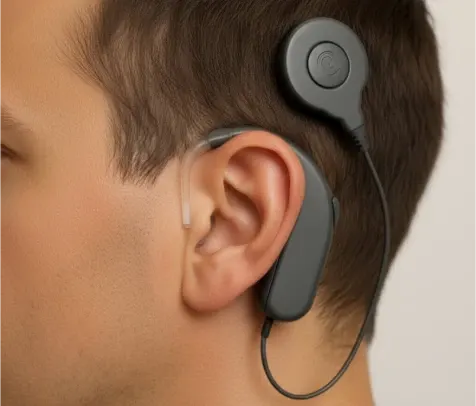
Hearing loss can affect communication, education, professional life, relationships, and overall confidence. For some people with severe or profound hearing loss, conventional hearing aids may not provide enough speech clarity. In such situations, a cochlear implant may be considered after a detailed evaluation by an experienced ENT and cochlear implant team.
For families researching Cochlear implant Mumbai, Dr. Shama Kovale at Kokilaben Dhirubhai Ambani Hospital provides specialized ENT and cochlear implant care for children, adults, and older patients. Her practice combines advanced ENT surgery, detailed hearing assessment, and a patient-focused approach to hearing rehabilitation.
What Is a Cochlear Implant?
A cochlear implant is an electronic hearing device designed for people with significant sensorineural hearing loss who receive limited benefit from conventional hearing aids.
Unlike a hearing aid, which primarily amplifies sound, a cochlear implant bypasses damaged portions of the inner ear and electrically stimulates the auditory nerve. The device consists of an external sound processor and an implanted internal component.
The goal is to provide access to useful sound and improve speech understanding in appropriately selected patients.
A cochlear implant does not simply amplify sound, and it does not automatically produce normal hearing. The brain needs time and training to interpret the new auditory signals.
Who May Benefit From a Cochlear Implant?
Cochlear implantation may be considered for people with severe-to-profound hearing loss when appropriately fitted hearing aids provide insufficient benefit.
Potential candidates may include:
- Children with significant congenital or early-onset hearing loss
- Adults with severe hearing impairment
- Older adults experiencing substantial hearing-related communication difficulties
- Individuals who understand very little speech despite appropriate hearing aids
- People who rely heavily on lip-reading or visual cues
- Patients whose hearing loss significantly affects communication and quality of life
Age alone does not necessarily determine candidacy. A comprehensive hearing and medical assessment is essential before recommending implantation.
Why Early Evaluation Matters for Children
Early identification and management of significant hearing loss can be particularly important during childhood because hearing plays an important role in speech and language development.
If a child is not responding to sounds, does not develop age-appropriate speech, or appears to have difficulty understanding spoken communication, parents should arrange a hearing evaluation rather than waiting for the child to outgrow the problem.
When cochlear implantation is appropriate, the treatment journey involves much more than surgery. Programming, auditory training, speech therapy, and regular follow-up are important parts of rehabilitation.
Early assessment can therefore help families understand their child’s hearing status and available treatment options.
Cochlear Implants for Adults and Seniors
Cochlear implants are not limited to children.
Adults who have experienced progressive hearing loss may also benefit when hearing aids no longer provide adequate speech understanding. Longstanding hearing loss can cause people to withdraw from conversations, social situations, and professional interactions.
For older adults, improving access to sound may help them reconnect with family members and participate more actively in everyday communication.
However, candidacy depends on individual hearing levels, speech understanding, medical factors, previous hearing-aid use, and other assessment results.
How Is Cochlear Implant Candidacy Evaluated?
Choosing an implant requires a comprehensive evaluation rather than relying on hearing thresholds alone.
The assessment may include:
Hearing Tests
Audiological testing establishes the degree and type of hearing loss and determines how well the patient hears with and without appropriately fitted hearing aids.
Speech Understanding
Speech testing helps determine how effectively a person can understand spoken words. This can be particularly important when deciding whether hearing aids are providing sufficient functional benefit.
Medical and ENT Evaluation
An ENT specialist evaluates the ears and overall health and determines whether the patient is medically suitable for implantation.
Imaging
Imaging may be recommended to examine the inner ear and relevant anatomical structures before surgery.
Rehabilitation Assessment
For children especially, speech, language, communication, and developmental factors may be considered when planning post-implant rehabilitation.
The final decision is generally made by a multidisciplinary team after reviewing the complete assessment.
What Happens During Cochlear Implant Surgery?
Cochlear implant surgery is performed under anesthesia. The internal component of the implant is positioned beneath the skin, while the electrode array is carefully inserted into the cochlea.
The procedure requires detailed knowledge of ear anatomy and careful surgical technique.
Dr. Shama Kovale’s ENT practice includes cochlear implant surgery alongside ear microsurgery and other advanced ENT procedures. Her professional profile notes specialized cochlear implant training at P.D. Hinduja Hospital.
The exact surgical technique and hospital stay vary depending on the patient’s age, health, anatomy, and clinical circumstances.
Surgery Is Only the Beginning
One of the most important things families should understand is that cochlear implantation is a process, not simply an operation.
After healing, the external sound processor is activated and programmed. The patient then begins learning how to interpret the electrical signals delivered by the device.
The rehabilitation journey can involve:
- Device activation
- Processor programming and mapping
- Regular audiological follow-up
- Auditory training
- Speech and language therapy
- Communication support
- Ongoing monitoring
Children may require structured auditory-verbal therapy to develop listening and spoken-language skills. Adults may need auditory rehabilitation to become comfortable understanding speech through the implant.
What Can Patients Expect After Activation?
The experience differs considerably from person to person.
Initially, sounds may seem unfamiliar or unusual. Over time, the brain learns to associate these signals with meaningful sounds and speech.
Progress may include improved awareness of environmental sounds, recognition of voices, better speech understanding, and greater confidence in communication.
The speed of progress depends on several factors, including age at implantation, duration of hearing loss, previous auditory experience, hearing-aid use, rehabilitation, and individual neurological and communication factors.
Therefore, realistic expectations and consistent follow-up are essential.
Why Choose Dr. Shama Kovale?
Dr. Shama Kovale is a senior ENT surgeon with more than 23 years of clinical and surgical experience. Her qualifications include MBBS, DLO, and MS in ENT from B.Y.L. Nair Hospital and Topiwala National Medical College, Mumbai.
Her advanced training includes:
- Fellowship in Phonosurgery from the Association of Phonosurgeons of India at Bombay Hospital
- Fellowship/training in cochlear implant surgery under Dr. Milind Kirtane at P.D. Hinduja Hospital
- Specialized training in voice and swallowing disorders under Dr. Peter Belafsky at UC Davis, California, USA
Her clinical expertise covers cochlear implants, ear microsurgery, pediatric ENT, airway reconstruction, endoscopic ENT procedures, voice surgery, and swallowing disorders.
She has also worked at institutions including Hinduja Hospital, Bhagwati Hospital, and A.J.B. ENT Hospital before establishing her practice at Kokilaben Dhirubhai Ambani Hospital. Her profile states that she leads Mumbai’s first dedicated Voice and Swallowing Centre.
For patients searching for the Best ENT in Mumbai, her combination of ENT qualifications, cochlear implant training, extensive clinical experience, and specialized interest in hearing and communication makes a detailed consultation an important first step.
A Patient-Centred Cochlear Implant Program
Cochlear implant treatment involves multiple stages and healthcare professionals. The surgical procedure is only one part of the process.
At Kokilaben Dhirubhai Ambani Hospital, Dr. Kovale’s profile highlights cochlear implant programs alongside advanced ENT services. The centre’s services include audiological evaluation, cochlear implant programs, and follow-up support involving mapping and rehabilitation.
A coordinated approach can help patients and families understand each stage—from initial hearing evaluation and candidacy assessment to surgery, activation, programming, and rehabilitation.
Why Follow-Up and Rehabilitation Matter
The effectiveness of a cochlear implant depends on more than the device itself.
Regular mapping allows the sound processor to be adjusted according to the patient’s changing auditory responses. Rehabilitation helps the brain learn to interpret the new signals.
For children, consistent therapy can support listening, speech, vocabulary, and communication development. Adults may require structured auditory training to improve speech understanding, particularly after years of significant hearing loss.
Families should therefore consider cochlear implantation as a long-term hearing rehabilitation journey rather than a one-time procedure.
Schedule Your Consultation Today
If you or your child has significant hearing loss and hearing aids are providing limited benefit, a comprehensive cochlear implant evaluation can help determine whether implantation is an appropriate option.
Consult Dr. Shama Kovale at Kokilaben Dhirubhai Ambani Hospital for timely evaluation and expert hearing care.
📞 Give Us a Ring: +91-91528 50769
📧 Email: drshamakovaleent@gmail.com
Frequently Asked Questions
1. Does a cochlear implant restore normal hearing?
A cochlear implant does not recreate natural hearing. It provides electrical stimulation that can give appropriately selected patients access to useful sound. The brain gradually learns to interpret these signals through experience and rehabilitation.
2. Can children undergo cochlear implant surgery?
Yes. Children with significant hearing loss may be candidates for cochlear implantation after comprehensive audiological, medical, and developmental evaluation. Early assessment is particularly important because hearing contributes significantly to speech and language development.
3. Can senior citizens get cochlear implants?
Yes. Older adults may also be considered for cochlear implantation when severe hearing loss and limited benefit from hearing aids affect communication. Age alone does not determine candidacy; overall health, hearing status, speech understanding, and other factors are evaluated.
4. Is rehabilitation necessary after cochlear implant surgery?
Yes. Rehabilitation and regular device programming are important components of cochlear implant care. The brain needs time to learn how to interpret the new auditory information, and ongoing follow-up helps optimize the device.


Comments
Post a Comment