Laparoscopic Hysterectomy in Mumbai: Advanced Minimally Invasive Care by Dr. Maitreyee Parulekar
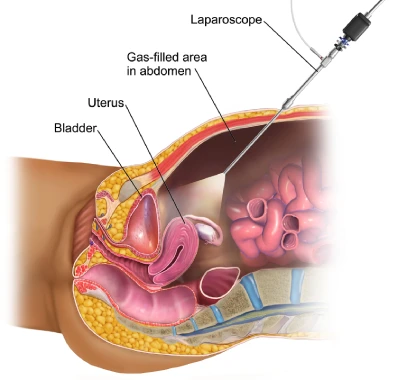
A hysterectomy is a surgical procedure to remove the uterus and may be recommended for women with conditions such as fibroids, abnormal uterine bleeding, endometriosis, adenomyosis, uterine prolapse, or certain gynaecological cancers. When medically appropriate, a laparoscopic approach can offer a minimally invasive alternative to conventional open surgery.
For women considering laparoscopic hysterectomy in mumbai, Dr. Maitreyee Parulekar at Kirit Nursing Home provides specialised gynaecological and gynaecologic oncology care, with an emphasis on individualised treatment planning and modern surgical techniques.
What Is a Laparoscopic Hysterectomy?
Laparoscopic hysterectomy is a minimally invasive surgical procedure in which the uterus is removed through small abdominal incisions rather than through one larger abdominal incision.
A laparoscope, which is a thin instrument with a camera, allows the surgeon to view the pelvic organs on a monitor. Specialised surgical instruments are inserted through additional small incisions to perform the procedure.
Depending on the patient’s medical condition, the surgeon may remove the uterus alone or may recommend removal of the cervix, fallopian tubes, and/or ovaries when clinically indicated.
The exact surgical approach is determined after considering the patient’s diagnosis, medical history, anatomy, age, symptoms, and overall health.
Why Might a Hysterectomy Be Recommended?
A hysterectomy may be recommended when other treatments are unsuccessful, unsuitable, or when surgery offers the most appropriate management option.
Common conditions that may lead to hysterectomy include:
- Uterine fibroids
- Heavy or abnormal uterine bleeding
- Adenomyosis
- Endometriosis
- Uterine prolapse
- Certain precancerous conditions
- Endometrial or uterine cancer
- Cervical cancer in selected cases
- Other significant gynaecological conditions
A hysterectomy is a major decision because it permanently ends the ability to become pregnant. Therefore, the reasons for surgery and available alternatives should be discussed carefully with a qualified gynaecologist before proceeding.
Benefits of the Laparoscopic Approach
When laparoscopic surgery is appropriate, it may offer several potential advantages compared with traditional open abdominal surgery.
These can include:
- Smaller surgical incisions
- Less tissue disruption
- Reduced postoperative discomfort in many patients
- Shorter hospital stay in appropriate cases
- Earlier return to routine activities
- Smaller visible scars
However, laparoscopic surgery is not suitable for every patient. Factors such as the size of the uterus, previous abdominal surgeries, extensive adhesions, certain cancers, and other medical considerations can influence the choice of surgical technique.
Dr. Maitreyee Parulekar: Qualifications and Expertise
Dr. Maitreyee Parulekar is a gynaecologist and gynaecologic oncology specialist associated with Kirit Nursing Home in Vile Parle, Mumbai. Her clinical practice focuses on women’s health, gynaecological disorders, minimally invasive procedures, and the management of gynaecological cancers.
Her specialised training and clinical expertise enable her to evaluate complex gynaecological conditions and develop treatment plans based on each patient’s specific medical requirements.
Her expertise in gynaecologic oncology is particularly relevant for patients who require surgical evaluation for suspected or confirmed gynaecological malignancies. The treatment plan can involve collaboration with other specialists when necessary.
Women searching for a Top Gynae Oncologist In Mumbai can consult Dr. Maitreyee Parulekar for specialised evaluation and treatment planning.
A Personalised Approach to Hysterectomy
A hysterectomy should never be considered a routine procedure. Every patient has different symptoms, medical history, reproductive goals, and treatment requirements.
During the consultation, the doctor may review:
- Symptoms and their duration
- Menstrual history
- Previous treatments
- Ultrasound or other imaging reports
- Medical and surgical history
- Family history where relevant
- Reproductive plans
- Possible underlying gynaecological conditions
Based on these factors, the doctor can discuss whether hysterectomy is appropriate and whether a laparoscopic approach can safely be considered.
How Is a Laparoscopic Hysterectomy Performed?
The procedure is performed under general anaesthesia. The surgeon typically makes several small incisions in the abdomen.
A laparoscope is inserted through one incision to provide a magnified view of the pelvic organs. Other small openings allow specialised instruments to be introduced.
The surgeon carefully separates the uterus from surrounding tissues and blood vessels before removing it through an appropriate route. The technique used depends on the patient’s anatomy and the type of hysterectomy being performed.
The procedure is conducted in a controlled hospital environment with appropriate monitoring and surgical support.
Types of Hysterectomy
The term hysterectomy can refer to different surgical procedures.
Total Hysterectomy
A total hysterectomy generally involves removal of the uterus and cervix.
Hysterectomy With Removal of Fallopian Tubes and Ovaries
In selected patients, the fallopian tubes and ovaries may also need to be removed. Whether this is necessary depends on the patient’s age, medical condition, risk factors, and the reason for surgery.
Radical Hysterectomy
A radical hysterectomy is a more extensive procedure that may be performed for selected gynaecological cancers. It involves removal of additional surrounding tissues and is generally considered when clinically indicated.
The appropriate procedure should be determined after a detailed evaluation.
Laparoscopic Hysterectomy for Gynaecological Cancer
Patients diagnosed with certain gynaecological cancers may require surgery as part of their treatment. In selected cases, minimally invasive surgery may be considered depending on the cancer type, stage, tumour characteristics, and patient’s overall condition.
As a gynaecologic oncology specialist, Dr. Maitreyee Parulekar provides specialised evaluation for women with suspected or confirmed gynaecological cancers.
Cancer surgery requires careful planning, and the treatment approach should be selected based on established clinical principles rather than the surgical technique alone.
What Happens Before Surgery?
Before a laparoscopic hysterectomy, patients generally undergo a detailed medical evaluation.
Depending on the reason for surgery, this may include:
- Gynaecological examination
- Pelvic ultrasound
- Blood tests
- Other imaging investigations
- Cervical screening where appropriate
- Evaluation of existing medical conditions
- Anaesthesia assessment
The doctor will also discuss the procedure, expected recovery, potential complications, and postoperative care.
Patients should provide complete information about medications, allergies, previous surgeries, and existing health conditions.
Recovery After Laparoscopic Hysterectomy
Recovery varies between patients depending on the procedure performed, underlying condition, age, overall health, and whether additional procedures were performed.
Many patients can gradually resume normal activities sooner after minimally invasive surgery than after a large open abdominal operation. However, recovery instructions should always be followed carefully.
Patients may initially experience tiredness, mild abdominal discomfort, or changes associated with the healing process.
The treating doctor will provide guidance regarding:
- Wound care
- Physical activity
- Exercise
- Work
- Sexual activity
- Follow-up appointments
- Warning signs requiring medical attention
Following postoperative instructions is an important part of a safe recovery.
Choosing the Right Gynaecological Surgeon
The surgeon’s experience and understanding of the patient’s specific condition are important considerations when planning hysterectomy.
Patients should look for a specialist who can explain the diagnosis clearly, discuss alternatives, recommend an appropriate surgical approach, and provide comprehensive postoperative guidance.
Dr. Maitreyee Parulekar’s practice combines gynaecological care with expertise in gynaecologic oncology, enabling her to manage a broad spectrum of women’s health concerns.
Patients looking for a Robotic Gynecologist In Vile Parle, Mumbai can also discuss minimally invasive and advanced surgical options during a consultation to understand which approach may be appropriate for their condition.
A Professional and Supportive Clinical Environment
Kirit Nursing Home in Vile Parle provides a clinical setting where patients can undergo evaluation and treatment for gynaecological concerns.
For women facing the possibility of hysterectomy, having a supportive environment where their concerns can be discussed openly is important. Understanding why surgery is recommended and what to expect before and after the procedure can help patients make informed decisions.
Dr. Maitreyee Parulekar focuses on individualised evaluation and treatment planning, taking into account the patient’s diagnosis and personal healthcare requirements.
Is Laparoscopic Hysterectomy Right for You?
Not every woman requiring a hysterectomy is a candidate for laparoscopic surgery. The decision depends on several factors, including the underlying condition, uterine size, previous surgeries, anatomical considerations, and the surgeon’s assessment.
A detailed consultation is therefore essential before deciding on the surgical approach.
If you are considering laparoscopic hysterectomy in mumbai, Dr. Maitreyee Parulekar can evaluate your condition, explain available options, and help you understand the potential benefits and limitations of the recommended treatment.
Schedule a Consultation With Dr. Maitreyee Parulekar
If you have been advised to undergo a hysterectomy or are experiencing persistent abnormal bleeding, fibroids, pelvic pain, endometriosis, or another gynaecological concern, a specialist consultation can help you understand your treatment options.
📞 Call: +91 72087 27500
📧 Email: info@drmaitreyeegynec.in
📍 Get directions to Kirit Nursing Home
Take the next step toward understanding your condition and making an informed decision about your treatment.
Frequently Asked Questions
1. What is laparoscopic hysterectomy?
Laparoscopic hysterectomy is a minimally invasive operation to remove the uterus using small abdominal incisions and a camera-assisted surgical technique. The exact procedure may vary depending on the patient’s condition.
2. How long does it take to recover after laparoscopic hysterectomy?
Recovery varies depending on the individual, the type of hysterectomy, and whether additional procedures are performed. Many patients can return to routine activities sooner than after traditional open surgery, but the treating surgeon will provide personalised recovery instructions.
3. Is laparoscopic hysterectomy suitable for everyone?
No. The suitability of laparoscopic surgery depends on factors such as the underlying condition, uterine size, previous abdominal surgeries, anatomy, and overall health. A specialist evaluation is required before selecting the surgical approach.
4. Can laparoscopic hysterectomy be performed for gynaecological cancer?
In selected cases, minimally invasive surgery may be considered for certain gynaecological cancers. The appropriate approach depends on the type and stage of cancer and other clinical factors. A gynaecologic oncology specialist can determine the most appropriate treatment plan.


Comments
Post a Comment