Septoplasty Surgery Mumbai: Expert Treatment for a Deviated Septum
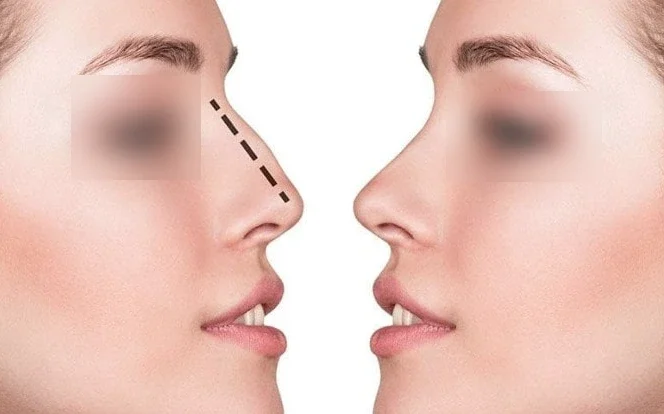
Breathing comfortably through the nose is an important part of everyday health and well-being. However, a deviated nasal septum can narrow one or both nasal passages and contribute to persistent nasal blockage, mouth breathing, snoring, recurrent sinus symptoms, or difficulty sleeping. When medication does not adequately relieve symptoms, septoplasty may be considered to improve nasal airflow.
For patients researching Septoplasty surgery Mumbai, Dr. Shama Kovale at Kokilaben Dhirubhai Ambani Hospital provides specialized ENT evaluation and surgical care for nasal and sinus conditions. Her extensive ENT experience and expertise in endoscopic procedures allow patients to receive a detailed assessment before deciding whether surgery is appropriate.
What Is a Deviated Nasal Septum?
The nasal septum is the structure that separates the left and right nasal passages. Ideally, it is positioned relatively centrally. When the septum bends or shifts toward one side, it is described as a deviated septum.
A deviated septum may be present from birth or develop following an injury to the nose. In some people, the deviation causes no significant symptoms. In others, it can interfere with normal nasal breathing.
Common symptoms may include:
- Difficulty breathing through one or both nostrils
- Persistent nasal congestion
- Frequent mouth breathing
- Snoring
- Recurrent sinus-related symptoms
- Nosebleeds in some cases
- Reduced quality of sleep
- Difficulty breathing comfortably during exercise
The severity of symptoms does not always correspond directly to the visible degree of septal deviation. A proper ENT examination is therefore important.
What Is Septoplasty?
Septoplasty is a surgical procedure performed to straighten or reposition the deviated nasal septum. The objective is to improve the internal structure of the nose and create better airflow through the nasal passages.
Unlike cosmetic rhinoplasty, septoplasty is primarily a functional procedure. Its main purpose is to address problems associated with nasal airflow and septal deviation.
In some patients, septoplasty may be performed alongside other procedures when additional nasal or sinus problems are present. The recommended treatment depends on the individual’s anatomy and symptoms.
When Is Septoplasty Recommended?
Not every deviated septum requires surgery.
An ENT specialist may consider septoplasty when a patient has persistent symptoms that are attributable to structural nasal obstruction and when conservative measures have not provided sufficient relief.
Surgery may be considered for patients experiencing:
- Long-term nasal obstruction
- Difficulty breathing despite appropriate medical treatment
- Significant mouth breathing
- Sleep-related breathing difficulties associated with nasal obstruction
- Recurrent nasal or sinus complaints linked to structural obstruction
- Nasal blockage that affects exercise or daily activities
A detailed ENT examination helps establish whether the septum is actually responsible for the patient’s symptoms.
Symptoms That Should Not Be Ignored
Persistent nasal blockage is sometimes dismissed as a simple allergy or recurring cold. However, chronic obstruction can have multiple causes.
Allergic rhinitis can cause swelling of the nasal tissues, while enlarged turbinates, nasal polyps, chronic sinus disease, or structural abnormalities may also restrict airflow.
This is why an evaluation by an ENT specialist is useful when nasal congestion continues for an extended period.
The doctor may examine the nasal passages using specialized instruments or nasal endoscopy to understand the underlying cause.
How Is Septoplasty Diagnosed?
The diagnosis begins with a detailed history of the patient’s symptoms.
Dr. Shama Kovale may evaluate:
- Which nostril is more obstructed
- Whether the obstruction is constant or intermittent
- History of nasal injury
- Allergies
- Sinus symptoms
- Snoring and sleep-related concerns
- Previous nasal surgery
- Response to medications
A physical examination and, when indicated, nasal endoscopy can help identify the position and extent of septal deviation.
Imaging may be recommended in selected patients, particularly when additional sinus or anatomical concerns need to be assessed.
How Is Septoplasty Surgery Performed?
Septoplasty is generally performed under anesthesia. The surgeon accesses the nasal septum through an incision inside the nose and carefully identifies the deviated cartilage or bone.
The obstructing portions may be reshaped, repositioned, or selectively removed while preserving sufficient structural support for the nose.
The objective is not simply to remove as much septal tissue as possible. A carefully planned procedure aims to correct the deviation while maintaining the structural integrity of the nose.
The exact surgical approach varies according to the patient’s anatomy and the location and severity of the deviation.
Is Septoplasty an Endoscopic Procedure?
Modern ENT surgery may use endoscopic visualization to provide a detailed view of the nasal structures.
Endoscopic techniques can be particularly useful when treating complex nasal and sinus problems. Dr. Shama Kovale’s clinical expertise includes endoscopic ENT procedures and sinus surgery. Her professional profile also highlights experience in advanced ear, nose, throat, voice, swallowing, and airway procedures.
The choice of surgical technique should always be based on the patient’s individual anatomy and clinical needs.
Recovery After Septoplasty
Recovery differs between patients.
Immediately after surgery, some nasal congestion, swelling, mild discomfort, or a feeling of nasal blockage may occur. This is not necessarily a sign that the procedure has failed—the tissues need time to heal.
Patients may be advised to:
- Follow prescribed medications
- Keep the nose clean as instructed
- Avoid forceful nose blowing during the initial recovery period
- Avoid strenuous physical activity for the recommended duration
- Attend scheduled follow-up appointments
- Follow all postoperative nasal-care instructions
The surgeon will provide specific guidance based on the procedure performed.
As healing progresses, the nasal passages can gradually become more comfortable and breathing may improve.
Potential Benefits of Septoplasty
When nasal obstruction is caused significantly by a deviated septum, septoplasty may provide functional benefits such as:
- Improved nasal airflow
- Reduced sensation of nasal blockage
- Greater comfort while breathing
- Reduced reliance on mouth breathing
- Potential improvement in sleep quality when nasal obstruction contributes to sleep difficulties
- Improved tolerance of physical activity for some patients
However, outcomes depend on the cause of the obstruction. If allergies or other nasal conditions are also present, those problems may require separate treatment.
Septoplasty and Sinus Problems
A deviated septum does not automatically cause chronic sinusitis. However, structural narrowing can sometimes contribute to impaired nasal airflow and drainage.
Patients who experience both nasal obstruction and recurrent sinus symptoms may require a broader ENT evaluation.
Depending on the findings, treatment may involve medical management, septoplasty, sinus surgery, or a combination of approaches.
The goal is to address the actual causes of the patient’s symptoms rather than treating every case with surgery.
Meet Dr. Shama Kovale
Dr. Shama Kovale is an experienced ENT surgeon with more than 23 years of clinical and surgical experience. Her qualifications include MBBS, DLO, and MS in ENT from B.Y.L. Nair Hospital and Topiwala National Medical College, Mumbai.
Her advanced professional training includes a fellowship in phonosurgery from the Association of Phonosurgeons of India at Bombay Hospital and specialized training in cochlear implant surgery under Dr. Milind Kirtane at P.D. Hinduja Hospital. She has also undergone specialized training in voice and swallowing disorders at UC Davis, California, USA.
Her clinical expertise includes:
- Endoscopic ENT procedures
- Sinus surgery
- Ear microsurgery
- Cochlear implants
- Pediatric ENT
- Voice and swallowing disorders
- Airway reconstruction
- Phonosurgery
Her professional profile notes previous associations with Hinduja Hospital, Bhagwati Hospital, and A.J.B. ENT Hospital, as well as her practice at Kokilaben Dhirubhai Ambani Hospital.
For patients searching for the Best ENT in Mumbai, her extensive experience and broad ENT expertise provide an important foundation for evaluating complex nasal and sinus complaints.
Clinic Environment at Kokilaben Dhirubhai Ambani Hospital
Kokilaben Dhirubhai Ambani Hospital and Medical Research Institute in Andheri West provides a comprehensive hospital environment for specialist ENT consultations, diagnostic evaluation, surgical procedures, and postoperative care.
For patients looking for ENT Specialists Near Me in Mumbai, access to a multidisciplinary hospital setting can be particularly useful when a condition requires detailed investigation or coordination with other medical specialists.
Dr. Kovale’s practice encompasses both routine and advanced ENT care, allowing patients with nasal obstruction to undergo an appropriate evaluation before proceeding with surgery.
Is Septoplasty Right for You?
Septoplasty is not appropriate for every person with a deviated septum. Some patients have structural deviation without significant symptoms and may not require surgery.
Others may have nasal blockage caused by multiple factors, including allergies or enlarged turbinates. In such situations, treating only the septum may not completely resolve the problem.
A consultation with an ENT specialist can help determine:
- Whether the septum is deviated.
- Whether the deviation is causing meaningful obstruction.
- Whether medication may help.
- Whether surgery is appropriate.
- Whether another nasal or sinus condition needs treatment.
This individualized approach helps patients make informed decisions about their care.
Schedule Your Consultation Today
If persistent nasal blockage is affecting your breathing, sleep, exercise, or daily activities, an ENT evaluation can help determine whether a deviated septum is responsible and whether septoplasty is appropriate.
Consult Dr. Shama Kovale at Kokilaben Dhirubhai Ambani Hospital for timely evaluation and expert hearing care.
📞 Give Us a Ring: +91-91528 50769
📧 Email: drshamakovaleent@gmail.com
Frequently Asked Questions
1. Is septoplasty performed only for cosmetic reasons?
No. Septoplasty is primarily a functional procedure designed to correct a deviated nasal septum and improve nasal airflow. Cosmetic nasal surgery, known as rhinoplasty, has different objectives.
2. How long does it take to recover from septoplasty?
Initial recovery generally involves congestion and swelling, followed by gradual improvement as the nasal tissues heal. The exact recovery period varies depending on the extent of surgery and the patient’s individual healing process.
3. Can septoplasty permanently fix nasal blockage?
Septoplasty can correct structural obstruction caused by a deviated septum. However, nasal blockage can also result from allergies, turbinate enlargement, polyps, or other conditions. Treating those conditions may also be necessary.
4. Is septoplasty painful?
Some discomfort, congestion, and pressure can occur after surgery. Pain levels vary between patients and are generally managed with medications prescribed by the surgeon. Detailed postoperative instructions help support a comfortable recovery.


Comments
Post a Comment