Spinal Fusion Surgery Mumbai: Advanced Spine Care at Synapse Spine
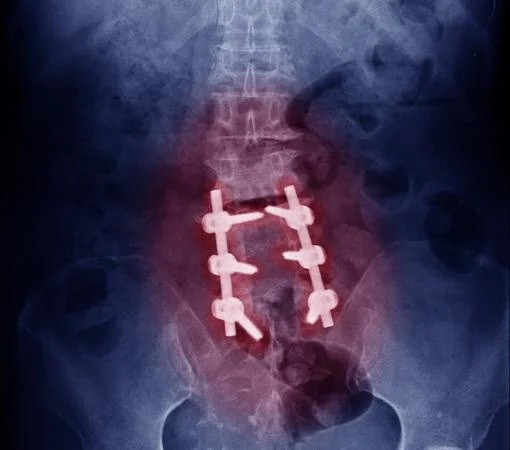
Persistent back pain, spinal instability, nerve compression, or degenerative changes can significantly affect mobility and quality of life. When conservative treatments such as medication, physiotherapy, lifestyle modification, or injections do not provide sufficient relief, surgery may be considered for carefully selected patients. One such procedure is spinal fusion, which is designed to stabilize affected sections of the spine and restore structural support.
Spinal fusion surgery mumbai is performed for several conditions affecting the lumbar and other regions of the spine. At Synapse Spine, patients have access to a multidisciplinary team of orthopedic spine surgeons and neurospine surgeons who focus on accurate diagnosis, personalized treatment planning, and appropriate use of surgical and non-surgical options.
What Is Spinal Fusion Surgery?
Spinal fusion is a surgical procedure in which two or more vertebrae are joined to create a stable segment of the spine. During the procedure, bone graft material is placed between or around the vertebrae to encourage the bones to fuse over time. Depending on the condition and surgical objectives, implants such as cages, screws, and rods may also be used to provide stability during the fusion process.
Lumbar spinal fusion may be considered for conditions including degenerative disc disease, spondylolisthesis, spinal stenosis, fractures, spinal instability, and certain deformities. The decision to perform fusion depends on the patient’s symptoms, imaging findings, spinal stability, overall health, and response to previous treatment.
When Is Spinal Fusion Recommended?
Not every patient with back pain requires spinal fusion. In fact, Synapse Spine emphasizes non-surgical treatment whenever appropriate, with surgery considered when it is genuinely necessary.
A surgeon may consider fusion when a patient has:
- Significant spinal instability
- Degenerative disc disease with appropriate surgical indications
- Spondylolisthesis
- Certain forms of spinal stenosis
- Spinal deformity
- Fractures affecting spinal stability
- Persistent symptoms despite appropriate conservative treatment
- Conditions requiring stabilization after decompression
A detailed clinical examination and imaging studies such as MRI or CT scans help the spine specialist understand the underlying problem and determine whether fusion is appropriate.
Different Types of Spinal Fusion
The surgical approach is selected according to the location and nature of the spinal problem. Synapse Spine describes several lumbar fusion techniques.
Posterior Lumbar Interbody Fusion (PLIF)
PLIF approaches the spine from the back. During the procedure, the surgeon accesses the affected disc space, removes damaged disc material where indicated, and places bone graft or an interbody spacer to encourage fusion. Screws and rods may be used to stabilize the vertebral segment. Pre-operative MRI and CT imaging can assist in planning implant size and surgical strategy.
Transforaminal Lumbar Interbody Fusion (TLIF)
TLIF approaches the disc space through a posterior, more lateral route. The technique can reduce the amount of muscle dissection and nerve manipulation compared with some traditional approaches. The damaged disc is removed and replaced with a cage and bone graft, with additional screws or rods used when necessary to stabilize the spine.
Oblique Lumbar Interbody Fusion (OLIF)
OLIF uses an oblique approach through the side of the body to reach the lumbar disc space. The approach can minimize disruption of the posterior spinal muscles. A cage and bone graft are used to facilitate fusion. However, OLIF is suitable only for certain spinal levels and specific patient conditions.
Anterior Lumbar Interbody Fusion (ALIF)
ALIF accesses the spine from the front of the body, usually through the lower abdominal region. Synapse Spine describes a mini-open ALIF approach that can be used for selected cases, including fusion at the L5-S1 level. The damaged disc is removed and replaced with an interbody cage and bone graft, with additional fixation used when required.
Extreme Lateral Interbody Fusion (XLIF)
XLIF accesses the disc through a small incision on the side of the body. It is designed to reduce disruption to the back muscles and avoid a traditional abdominal approach. Fluoroscopy and monitoring technologies may be used to improve precision and safety. Like OLIF, XLIF has specific anatomical and clinical limitations.
Why Choose Synapse Spine?
Synapse Spine brings together orthopedic spine surgeons and neurospine surgeons with training from leading institutions in India and abroad. Its team treats a broad spectrum of spinal disorders, ranging from back pain, slipped discs, sciatica, and spinal stenosis to complex deformities, spinal tumors, infections, and spinal cord conditions.
The practice emphasizes accurate diagnosis, personalized treatment, ethical decision-making, and patient-centred care. Its stated philosophy is to prioritize non-surgical treatment when possible and consider surgery when clinically necessary.
The team also has access to advanced approaches including endoscopic spine surgery, minimally invasive procedures, operating-microscope techniques, neuromonitoring, and ultrasonic bone-scalpel technology.
Experienced Spine Surgeons at Synapse Spine
Synapse Spine’s team includes specialists from both orthopedic and neurosurgical backgrounds.
Dr. Nandan Marathe, Orthopaedic Spine Surgeon, completed his MBBS and MS Orthopaedics from KEM Hospital, Mumbai, where he was a gold medallist. He subsequently trained in complex spine surgery and deformity at the University of Toronto, spinal tumors at Instituto Ortopedico Rizzoli in Italy, and minimally invasive and endoscopic spine surgery in South Korea. He has also completed AOSpine and Indo-American Spine Alliance fellowships. His profile reports extensive research involvement, including more than 146 peer-reviewed publications.
Dr. Anuj Bhide, Brain & Spine Surgeon, holds MBBS, MS General Surgery, and MCh Neurosurgery qualifications and was a gold medallist at Grant Medical College and JJ Hospitals, Mumbai. He completed a fellowship in Skull Base and Vascular Surgery at Fujita Health University, Japan, and has more than nine years of consultant experience as a brain and spine surgeon in Mumbai. His expertise includes complex brain and spine procedures, endoscopic brain surgery, and minimally invasive surgery.
Dr. Aditya Raj, Orthopaedic Spine Surgeon, completed his orthopedic training at KEM Hospital, Mumbai, and received a gold medal. His advanced training includes a complex spine surgery fellowship at the University of Toronto, spine fellowship training at Stavya Spine Hospital, and minimally invasive and endoscopic spine training in South Korea. His areas of interest include spinal deformities, tumors, craniovertebral junction conditions, and spinal infections.
This multidisciplinary expertise allows Synapse Spine to assess patients from both orthopedic and neurospine perspectives.
What Happens Before Spinal Fusion?
Before surgery, the spine specialist reviews the patient’s symptoms, medical history, physical examination findings, previous treatments, and imaging studies. MRI and CT scans may be particularly useful for evaluating discs, nerves, vertebrae, spinal alignment, and other structures.
The surgeon then discusses available treatment options. Where non-surgical care is likely to provide adequate relief, surgery may not be recommended. When instability or another surgical indication is present, the surgeon can explain the appropriate fusion technique, expected benefits, potential risks, and recovery process.
Recovery After Spinal Fusion
Recovery varies according to the surgical technique, number of spinal levels treated, general health, and the underlying condition. Patients may require a period of activity modification followed by a structured rehabilitation program.
Physical therapy can help restore mobility, strength, posture, and functional independence. Follow-up appointments allow the surgeon to monitor healing and assess the progress of spinal fusion.
Patients should follow their surgeon’s specific instructions regarding lifting, bending, exercise, driving, work, and other activities during recovery.
Is Spinal Fusion the Right Treatment for You?
Spinal fusion can provide stability for appropriately selected patients, but it is not automatically the best solution for every back problem. A comprehensive evaluation is essential before making a surgical decision.
If you have persistent back pain, spinal instability, spondylolisthesis, degenerative disc disease, spinal stenosis, or another condition that may require stabilization, consultation with an experienced spine specialist Doctor in Mumbai can help you understand your treatment options.
Synapse Spine’s team can evaluate the condition and recommend an appropriate pathway that may include non-surgical treatment, minimally invasive procedures, or fusion surgery when indicated.
Book a Consultation with Synapse Spine
If you are considering Spinal fusion surgery mumbai, getting a detailed assessment from an experienced spine team is an important first step. Synapse Spine combines orthopedic and neurospine expertise with modern diagnostic and surgical techniques to provide individualized care for spinal conditions.
📞 +91 81496 86139
Frequently Asked Questions
1. What is the purpose of spinal fusion surgery?
The primary purpose of spinal fusion is to stabilize an affected segment of the spine by joining two or more vertebrae. Bone graft material and, when required, implants such as cages, screws, and rods are used to support the fusion process.
2. Is spinal fusion necessary for every patient with back pain?
No. Many back and spine conditions can be managed without surgery. Synapse Spine prioritizes non-surgical treatment when appropriate and considers surgery when conservative treatment is unsuccessful or when spinal instability, deformity, or another clear surgical indication is present.
3. What are TLIF and PLIF?
Both are lumbar spinal fusion techniques. PLIF approaches the spine from the back, while TLIF accesses the disc space through a more lateral posterior route. The choice depends on the patient’s condition, anatomy, and surgical objectives.
4. How do I know which spine surgeon is appropriate for me?
The appropriate spine surgeon in mumbai depends on your diagnosis and the complexity of your condition. Synapse Spine has orthopedic spine surgeons and neurospine surgeons with different areas of expertise, allowing patients to receive a specialist assessment based on their individual spinal problem.


Comments
Post a Comment