Best Septoplasty Surgeon in Mumbai – Dr. Shama Kovale
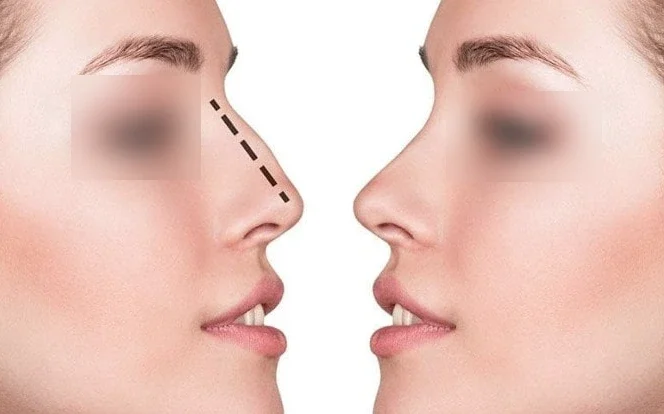
Persistent nasal blockage can make everyday activities uncomfortable. Difficulty breathing through the nose, mouth breathing, snoring, recurrent sinus symptoms and disturbed sleep may sometimes be associated with a deviated nasal septum. When structural blockage does not improve adequately with medical treatment, surgical correction may be considered. Patients searching for the best septoplasty surgeon in mumbai can consult Dr. Shama Kovale, Senior Consultant ENT surgeon at Kokilaben Dhirubhai Ambani Hospital, for evaluation of nasal obstruction and septal deviation. Her published profile describes more than 23 years of ENT experience, with expertise across nose, sinus, airway, voice and swallowing disorders.
What Is a Deviated Nasal Septum?
The nasal septum is the structure that separates the two sides of the nose. Ideally, it allows relatively balanced airflow through both nasal passages. When the septum is significantly displaced or bent, one side of the nose may become narrower, potentially contributing to nasal obstruction.
A deviated septum may develop naturally or occur following an injury to the nose. Some people have symptoms from an early age, while others become more aware of nasal breathing problems over time.
Common symptoms can include:
- Persistent or one-sided nasal blockage
- Difficulty breathing through the nose
- Mouth breathing
- Snoring
- Recurrent nasal or sinus complaints
- Dry mouth, particularly after sleeping with the mouth open
- Facial pressure in some patients
- Reduced quality of sleep
- Difficulty exercising comfortably through the nose
Not everyone with a deviated septum requires surgery. An ENT specialist first needs to determine whether the structural deviation is responsible for the patient’s symptoms.
What Is Septoplasty?
Septoplasty is a surgical procedure performed to correct a deviated nasal septum. The goal is to improve the internal structure of the nose and create a more functional nasal airway.
Unlike cosmetic rhinoplasty, septoplasty primarily addresses the internal nasal septum and breathing function. In some patients, other structural problems may also contribute to nasal obstruction, so the surgeon may evaluate the turbinates, nasal valves or sinuses during the assessment.
Dr. Kovale’s septoplasty information describes precision septoplasty for straightening the nasal septum, turbinate volume reduction where appropriate and sinus co-management when sinusitis is also present.
When Is Septoplasty Recommended?
Septoplasty may be considered when a deviated septum causes persistent functional symptoms and conservative treatment has not adequately addressed the problem.
A doctor may discuss surgery when a patient experiences:
- Chronic nasal obstruction
- Significant difficulty breathing through one nostril
- Persistent mouth breathing
- Sleep disruption related to nasal blockage
- Recurrent sinus problems associated with structural obstruction
- Nasal breathing difficulty affecting daily activities or exercise
The decision to undergo surgery should follow a clinical evaluation. Nasal congestion can also be caused by allergies, enlarged turbinates, nasal polyps, chronic sinusitis and other conditions. Correctly identifying the cause is therefore an important part of treatment planning.
How Is a Deviated Septum Diagnosed?
Dr. Kovale’s published septoplasty page states that diagnosis may involve nasal endoscopy and high-definition imaging to evaluate septal deviation and associated turbinate problems.
During an ENT consultation, the doctor may also ask about:
- How long nasal blockage has been present
- Whether one or both nostrils are affected
- Previous nasal injuries
- Snoring and sleep quality
- Recurrent sinus infections
- Allergy symptoms
- Previous nasal or sinus treatment
- Difficulty breathing during exercise
This assessment helps determine whether septoplasty alone may be appropriate or whether another procedure or medical treatment should be considered.
How Is Septoplasty Performed?
The exact surgical technique depends on the patient’s anatomy and the nature of the septal deviation. Septoplasty involves accessing the nasal septum and correcting the portions that are contributing to obstruction while preserving appropriate structural support.
According to Dr. Kovale’s published treatment information, septoplasty may be performed under general or local anaesthesia depending on the individual case, although general anaesthesia is described as preferable for patient comfort on the clinic’s page.
The procedure focuses on internal correction, so it is different from cosmetic surgery intended to change the external appearance of the nose.
Septoplasty and Turbinate Reduction
A deviated septum is not always the only reason for reduced nasal airflow. The turbinates are structures inside the nose that help regulate airflow and humidify inhaled air. When they are enlarged, they can contribute to nasal obstruction.
Dr. Kovale’s treatment approach includes turbinate volume reduction when appropriate. Combining procedures may be considered when both septal deviation and turbinate enlargement contribute to a patient’s symptoms.
Similarly, if chronic sinusitis is present, sinus treatment may be considered as part of the overall surgical plan.
Recovery After Septoplasty
Recovery varies between patients depending on the extent of surgery, associated procedures and individual healing.
The clinic’s published information states that many patients can resume work within approximately 5–7 days with light activities, although recovery timelines should be determined by the treating surgeon.
Post-operative care may include:
- Nasal saline rinses
- Follow-up examinations
- Temporary restrictions on strenuous activity
- Breathing or nasal-care instructions
- Medication as prescribed
- Monitoring during the healing period
Patients should follow their surgeon’s specific instructions rather than relying on a general recovery timeline.
Will Septoplasty Change the Appearance of the Nose?
Septoplasty is primarily a functional procedure and is designed to correct the internal nasal septum. It does not normally aim to make cosmetic changes to the external shape of the nose.
However, patients with significant external nasal deformity may require a different or combined surgical approach. During consultation, the surgeon can explain whether the problem is primarily internal, external or a combination of both.
Meet Dr. Shama Kovale
Dr. Shama Kovale is a Senior Consultant ENT surgeon and laryngologist at Kokilaben Dhirubhai Ambani Hospital. Her published profile states that she has over 23 years of experience in ENT, with specialisation covering the ear, nose, throat, voice and swallowing disorders.
She holds an MBBS and MS in ENT, and her professional profile also lists certification in endoscopic sinus surgery and microsurgery of the ear. Her training and professional development include advanced fellowships from UC Davis in the United States and Hinduja Hospital in India.
Her areas of expertise include:
- Septoplasty and nasal airway surgery
- Turbinate reduction
- Endoscopic sinus surgery
- Chronic sinus and nasal disorders
- Ear microsurgery
- Cochlear implants
- Airway reconstruction
- Voice and swallowing disorders
- Microlaryngoscopy and advanced ENT procedures
Her published profile also states that she heads the Voice and Swallowing Centre at Kokilaben Dhirubhai Ambani Hospital and follows a patient-centred approach involving explanation of diagnosis, personalised treatment planning and recovery support.
Kokilaben Dhirubhai Ambani Hospital – A Specialised ENT Care Environment
Kokilaben Dhirubhai Ambani Hospital and Medical Research Institute in Andheri West provides a hospital-based setting for specialised ENT diagnosis and treatment.
Dr. Kovale’s practice encompasses both common and complex ENT conditions. The hospital’s ENT setting supports evaluation and treatment across nasal, sinus, airway, voice, swallowing and ear conditions. Her profile also describes advanced services such as endoscopic sinus surgery, airway reconstruction and other specialised ENT procedures.
For patients searching for the Best ENT in Mumbai, an individual consultation is important because the cause of nasal obstruction can vary significantly between patients.
Why Consult an ENT Specialist for Nasal Blockage?
Nasal blockage should not automatically be attributed to a deviated septum. Allergic rhinitis, turbinate enlargement, sinus disease and other nasal conditions can produce similar symptoms.
A specialist examination can help determine whether the obstruction is structural and whether septoplasty may be appropriate. Patients searching for ENT Specialists Near Me in Mumbai can seek a consultation to discuss symptoms, diagnostic findings and available treatment options.
Dr. Kovale’s published septoplasty approach also considers associated turbinate and sinus conditions, allowing the treatment plan to address the specific anatomical and functional factors identified during evaluation.
Schedule Your Consultation Today
If persistent nasal blockage, mouth breathing, snoring or difficulty breathing through the nose is affecting your daily life, an ENT evaluation can help identify the underlying cause and determine whether septoplasty is appropriate.
Consult Dr. Shama Kovale at Kokilaben Dhirubhai Ambani Hospital for timely evaluation and expert ENT care.
Give Us a Ring: +91-91528 50769
Email: drshamakovaleent@gmail.com
Frequently Asked Questions
1. What is septoplasty used for?
Septoplasty is used to correct a deviated nasal septum when the structural deviation contributes to symptoms such as persistent nasal obstruction or difficulty breathing through the nose.
2. Is septoplasty performed under general anaesthesia?
Septoplasty can be performed under local or general anaesthesia depending on the procedure and individual circumstances. Dr. Kovale’s published information notes that general anaesthesia is commonly preferred for patient comfort.
3. How long does it take to recover from septoplasty?
Recovery varies from patient to patient. Dr. Kovale’s published septoplasty information states that many people can return to work within approximately 5–7 days with light activities. Your actual recovery period may differ depending on the surgery and healing process.
4. Can septoplasty be combined with turbinate reduction?
Yes, turbinate reduction may be considered when enlarged turbinates also contribute to nasal obstruction. The appropriate approach depends on the findings of the ENT examination and nasal evaluation.


Comments
Post a Comment