Moles and Skin Tag Removal in Mumbai – Dr. Amiti Shah
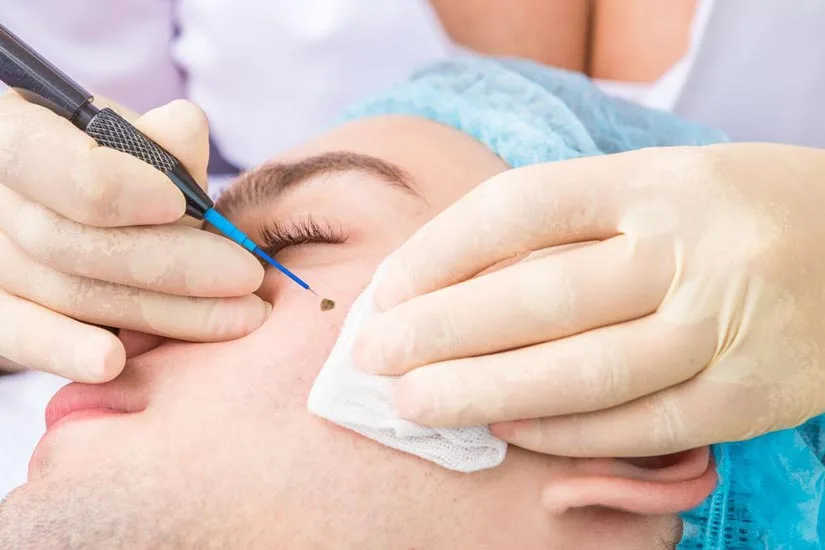
Moles, skin tags, cysts, and other small skin swellings are common concerns that can occur on the face and body. While many are harmless, they may sometimes become irritated, change in appearance, grow in size, bleed, or cause cosmetic concerns. When removal is being considered, a proper medical evaluation can help determine the most appropriate treatment and whether the removed tissue needs further examination.
For people considering moles and skin tag removal in mumbai, Dr. Amiti Shah at Shah Superspeciality Clinic provides surgical and aesthetic care for common moles, skin tags, cysts, and swellings. Her official procedure page explains that these conditions can often be removed using relatively simple procedures, with the approach selected according to the lesion’s size, location, and characteristics.
What Are Moles and Skin Tags?
A mole is a common skin growth that can appear as a flat or raised spot and may vary in colour and size. Skin tags are soft, benign growths that often develop in areas where skin rubs against skin or clothing. Cysts and other swellings can have different causes and may require a different approach to treatment.
Although many of these growths are benign, changes in a mole should not be ignored. Dr. Amiti Shah’s procedure information recommends seeking medical advice if a mole changes in shape, size, or colour or if bleeding occurs. In rare cases, certain moles can have malignant potential, making professional assessment important.
Why Consider Mole or Skin Tag Removal?
People may consider removal for both medical and cosmetic reasons. A mole or skin tag may be aesthetically bothersome, particularly when it is located on a visible area such as the face or neck. It may also repeatedly catch on clothing, jewellery, or other surfaces and become irritated.
According to Dr. Shah’s official information, reasons for considering removal can include an unattractive appearance, increase in size, changes in colour or growth pattern, bleeding, infection, irritation, or discomfort.
Removal may also allow tissue to be sent for pathological analysis when medically indicated. This can help a doctor evaluate the tissue for concerning changes or other underlying conditions.
How Are Moles and Skin Tags Removed?
The removal technique depends on the type, size, depth, and location of the growth. Dr. Amiti Shah’s clinic states that many of these procedures can be performed under local anaesthesia.
Depending on the individual lesion, removal may involve:
Surgical Excision
Surgical excision involves removing the lesion using a minor surgical procedure. This approach may be considered when the size, depth, or characteristics of the growth make complete excision appropriate.
The removed tissue can be sent for pathological examination when required. This is particularly relevant when there are clinical features that need further evaluation.
Radiofrequency Cautery
Radiofrequency cautery may be used for selected moles, skin tags, and other superficial lesions. The suitability of this technique depends on the individual growth and its location.
A consultation allows the surgeon to examine the lesion and determine whether radiofrequency treatment, surgical excision, or another approach is appropriate.
Facial Mole Removal and Scar Considerations
When a mole or swelling is located on the face, scar placement is an important consideration. Dr. Shah’s official procedure page states that particular attention is given to placing facial scars within relaxed skin tension lines where possible, with the goal of minimizing their visibility.
However, the final appearance of a scar depends on several factors, including the size and location of the lesion, the technique used, individual healing characteristics, and aftercare. No procedure can guarantee that a scar will be completely invisible.
Benefits of Professional Removal
When clinically appropriate, removal of a mole, skin tag, cyst, or swelling can provide several potential benefits. These may include:
- Improving the appearance of the affected area
- Reducing irritation or discomfort
- Addressing lesions that repeatedly become irritated
- Allowing suspicious tissue to undergo pathological examination when indicated
- Treating selected lesions that have become infected or problematic
- Potentially reducing future problems associated with a particular growth
Dr. Shah’s clinic also notes that many such procedures are relatively quick and may involve limited downtime, although recovery varies according to the procedure and individual patient.
Why Choose Dr. Amiti Shah?
Dr. Amiti Shah is a qualified plastic surgeon with training in general and plastic surgery. Her qualifications include MBBS from Maharashtra University of Health Sciences, DNB in General Surgery from the National Board of Examinations, DNB in Plastic Surgery, and a Fellowship in Breast Reconstructive and Cosmetic Surgery in the UK.
Her professional profile describes her as a female plastic surgeon in South Mumbai with experience in aesthetic and cosmetic surgery. She emphasizes patient comfort and individualized care, while her practice includes cosmetic and reconstructive procedures.
Her broader expertise includes body-shaping procedures such as liposuction, breast augmentation, breast reduction, body contouring following major weight loss, and cosmetic gynecological procedures. She is also affiliated with several hospitals in South and West Mumbai and participates in reconstructive surgery and teaching activities at K. J. Somaiya Medical College.
Patients looking for a Plastic Surgeon in Mumbai can discuss their concerns with Dr. Shah and receive an assessment based on the location and characteristics of the mole, skin tag, cyst, or swelling.
A Patient-Focused Clinic Environment
Shah Superspeciality Clinic is located in Gamdevi, South Mumbai. Dr. Shah’s profile states that patient physical and emotional wellbeing is a priority, with an emphasis on providing individualized aesthetic and cosmetic care.
For mole and skin tag removal, the consultation provides an opportunity to examine the growth, discuss the reason for removal, explain the available technique, and address questions about anaesthesia, scarring, recovery, and pathological examination when required.
What to Expect During Your Consultation
During your consultation, Dr. Shah can assess the lesion and discuss whether removal is appropriate. Factors that may be considered include:
- Location of the mole or skin tag
- Size and appearance
- Whether it has changed recently
- Whether it bleeds or becomes irritated
- Whether it causes discomfort
- Cosmetic concerns
- Appropriate removal technique
- Expected scar and recovery
- Whether the tissue should be sent for pathology
Patients should inform the doctor about any relevant medical conditions, medications, allergies, previous procedures, or changes in the lesion.
Book Your Consultation at Shah Superspeciality Clinic
If you are concerned about a mole, skin tag, cyst, or other skin swelling, professional evaluation can help determine whether removal is appropriate and which technique may be suitable.
📞 +91 87795 36240 | 22–2367 7234 | 9820306981
📍 Visit: Shah Superspeciality Clinic, Gamdevi, Mumbai
If you have a mole, skin tag, cyst, or swelling that you would like professionally assessed, contact Shah Superspeciality Clinic to schedule a consultation with Dr. Amiti Shah.
During your appointment, you can discuss the appearance of the growth, your reason for removal, available treatment options, expected recovery, and whether pathological analysis may be appropriate.
Frequently Asked Questions
1. Is every mole or skin tag safe to remove?
Many moles and skin tags are benign, but they should be assessed before removal when there are concerning features. Changes in a mole’s size, shape, colour, or growth pattern, as well as bleeding, warrant medical evaluation.
2. How are moles and skin tags removed?
Depending on the lesion, location, and size, removal may be performed using surgical excision or radiofrequency cautery. Dr. Shah’s clinic states that these procedures can often be performed under local anaesthesia.
3. Will mole removal leave a scar?
Any procedure that cuts or removes skin can potentially leave a scar. For facial lesions, Dr. Shah’s clinic states that care is taken to place scars along relaxed skin tension lines where possible to minimize their visibility. Individual healing and lesion characteristics also influence the final scar.
4. Can removed tissue be tested?
Yes. In selected cases, removed tissue may be sent for pathological analysis. This can help evaluate the lesion and rule out certain concerning or underlying conditions.


Comments
Post a Comment