Vocal Cord Surgery in Mumbai – Dr. Shama Kovale
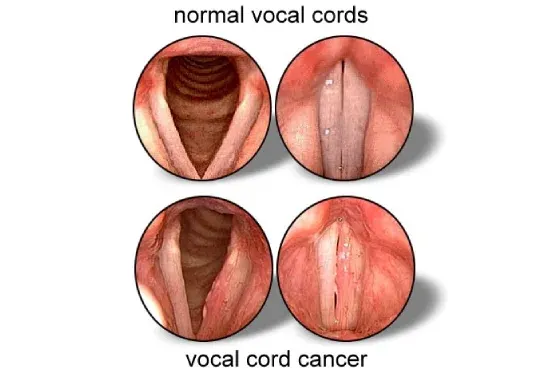
Your voice plays an important role in communication, work and everyday interactions. Persistent hoarseness, changes in voice quality, vocal fatigue or difficulty speaking can sometimes be linked to problems affecting the vocal folds. While many voice conditions can be managed without surgery, certain vocal cord lesions and early-stage conditions may require a specialised surgical evaluation. vocal cord surgery in mumbai includes procedures such as microlaryngoscopy, videolaryngoscopy-guided interventions and selected laser or co-ablation procedures, depending on the underlying condition. Dr. Shama Kovale, Senior Consultant ENT and voice specialist at Kokilaben Dhirubhai Ambani Hospital, provides evaluation and treatment for voice, swallowing and airway disorders.
What Are the Vocal Cords?
The vocal cords, also called vocal folds, are structures located inside the larynx or voice box. They vibrate when air passes through them, producing sound. Their movement and coordination are essential for normal voice production and also contribute to protecting the airway during swallowing.
Problems involving the vocal folds can affect the quality, strength or pitch of the voice. Depending on the cause, symptoms may include hoarseness, breathiness, vocal fatigue, voice breaks or difficulty projecting the voice.
Persistent changes should not simply be attributed to voice overuse. An ENT examination can help identify the underlying problem.
When May Vocal Cord Surgery Be Required?
Not every vocal cord problem requires surgery. Treatment depends on the diagnosis, severity, duration of symptoms and the patient’s individual requirements.
Conditions that may sometimes require surgical management include:
- Vocal cord polyps
- Vocal fold cysts
- Certain vocal nodules that do not respond adequately to conservative treatment
- Selected benign vocal fold lesions
- Vocal cord granulomas in specific circumstances
- Early glottic or vocal cord cancers
- Certain structural abnormalities affecting voice production
Voice therapy, medication, treatment for reflux or other non-surgical approaches may be considered before surgery where clinically appropriate. The Voice of ENT treatment information specifically describes microlaryngoscopy and videolaryngoscopy for vocal-fold lesions, including selected benign lesions and early glottic cancers. Laser or co-ablation may also be used in appropriate cases.
What Is Microlaryngoscopic Vocal Cord Surgery?
Microlaryngoscopy is a specialised procedure used to examine and treat lesions of the vocal folds. A laryngoscope provides access to the larynx, allowing the surgeon to visualise the vocal cords closely.
Depending on the diagnosis, the surgeon may remove or treat a lesion while attempting to preserve as much healthy vocal-fold tissue as clinically appropriate.
Dr. Shama Kovale’s published profile lists microlaryngoscopy with laser or co-ablation for vocal cord lesions among her advanced ENT surgical services.
For some patients, videolaryngoscopy may also be used during assessment. These techniques enable the ENT specialist to examine the vocal folds and determine whether medical management, voice therapy, an office-based procedure or surgery is appropriate.
Vocal Cord Surgery for Cancer
Persistent hoarseness can occasionally be associated with a more serious laryngeal condition, including vocal cord cancer. This is particularly important when voice changes continue for several weeks or occur alongside symptoms such as difficulty swallowing, breathing problems, a neck lump or other concerning findings.
The Voice of ENT’s vocal cord cancer information describes several treatment approaches for selected early-stage vocal cord cancers, including microlaryngoscopy with laser resection, co-ablation-assisted tumour excision, voice-preserving approaches for superficial lesions, biopsy and staging procedures, and radiation therapy in selected cases.
The appropriate treatment depends on factors such as the location and extent of the lesion, biopsy findings, stage and overall health. A specialist assessment is therefore essential before deciding on a treatment plan.
Symptoms That Should Be Evaluated
A temporary voice change caused by a cold, infection or excessive voice use may improve with appropriate care. However, persistent or recurring symptoms warrant professional evaluation.
See an ENT specialist if you experience:
- Hoarseness that does not resolve
- Persistent voice change
- Frequent voice breaks
- Difficulty projecting your voice
- Pain or discomfort while speaking
- Difficulty swallowing
- A sensation of something in the throat
- Breathing difficulty
- A neck lump associated with voice symptoms
The Voice of ENT recommends specialist assessment when hoarseness or voice changes persist rather than assuming that the problem will resolve on its own.
Diagnosis Before Vocal Cord Surgery
A detailed evaluation is an important part of vocal cord treatment. The ENT specialist may ask about the duration of symptoms, voice use, smoking or tobacco exposure, reflux symptoms, previous throat problems and other relevant medical history.
Depending on the symptoms, examinations may include:
Videolaryngoscopy
Videolaryngoscopy allows the specialist to directly visualise the vocal folds and surrounding structures.
Stroboscopy
Stroboscopy can provide information about vocal-fold vibration and movement. It can be particularly useful when evaluating subtle structural or functional voice abnormalities.
Biopsy
If a suspicious lesion is identified, tissue sampling may be necessary to establish a diagnosis. A biopsy is particularly important when cancer is suspected.
Voice Assessment
Professional voice users such as teachers, singers, actors and speakers may require additional voice assessment because their occupational requirements can influence treatment planning.
Dr. Shama Kovale – Qualifications and Experience
Dr. Shama Kovale is an ENT surgeon and laryngologist with more than 23 years of clinical experience. She completed her MBBS, DLO and MS in ENT from B.Y.L. Nair Hospital, Mumbai. Her published professional profile also notes advanced training in voice and swallowing disorders at UC Davis, California, a laryngology fellowship at Bombay Hospital and cochlear implant training at P.D. Hinduja Hospital.
Her clinical practice covers ear, nose and throat disorders, with particular expertise in voice, swallowing and airway conditions. She also performs endoscopic ENT procedures and has expertise in cochlear implants, ear microsurgery, endoscopic sinus surgery and airway reconstruction.
As a Senior Consultant at Kokilaben Dhirubhai Ambani Hospital, Dr. Kovale leads a dedicated Voice and Swallowing Centre. The centre provides services including swallowing assessments, cochlear implant programmes, office-based procedures, laryngoplasty and Botox-related voice care.
Her professional profile also notes participation in national and international ENT conferences, research and academic activities, as well as recognition including Top Docs Mumbai awards for voice specialisation.
A Specialised Environment for Voice and ENT Care
Kokilaben Dhirubhai Ambani Hospital and Medical Research Institute in Andheri West provides a hospital-based setting for specialised ENT evaluation and treatment. Dr. Kovale’s practice focuses on voice, swallowing, airway and endoscopic ENT conditions, making the setting suitable for patients who require multidisciplinary assessment or specialised investigations.
For patients searching for the Best ENT in Mumbai, choosing a specialist with focused experience in laryngology and voice disorders can be particularly relevant when symptoms involve the vocal folds or persistent changes in voice.
What Happens After Vocal Cord Surgery?
Recovery varies according to the procedure, diagnosis and depth or location of the treated lesion. Your surgeon will provide individual instructions regarding voice use, medication, diet and follow-up.
Some patients may require a period of voice rest or modified voice use. Voice therapy may also form an important part of rehabilitation, particularly for patients whose voice demands are high or when vocal technique contributes to the underlying problem.
Patients should follow their surgeon’s instructions rather than returning immediately to strenuous voice use after surgery.
Why Choose a Voice-Focused ENT Specialist?
Vocal-fold surgery requires careful diagnosis because the structures involved are directly responsible for voice production. The treatment approach therefore needs to consider both the underlying disease and the patient’s functional voice requirements.
Dr. Shama Kovale’s dedicated experience in voice and swallowing disorders, along with her training in laryngology and experience with microlaryngoscopic procedures, provides a focused approach to patients with vocal-fold conditions.
Patients searching for ENT Specialists Near Me in Mumbai can schedule an assessment to understand the cause of persistent hoarseness or other voice symptoms before deciding whether surgery is necessary.
Schedule Your Consultation Today
If you have persistent hoarseness, a vocal cord lesion, recurring voice problems or another throat symptom that requires specialist evaluation, timely assessment can help determine the appropriate treatment pathway.
Consult Dr. Shama Kovale at Kokilaben Dhirubhai Ambani Hospital f for timely evaluation and expert hearing care.
Give Us a Ring: +91-91528 50769
Email: drshamakovaleent@gmail.com
Frequently Asked Questions
1. Is vocal cord surgery required for every vocal cord problem?
No. Treatment depends on the underlying condition. Voice therapy, medication, reflux management and other non-surgical approaches may be appropriate for some patients. Surgery may be considered for selected lesions or conditions that require surgical treatment.
2. What conditions can be treated with microlaryngoscopy?
Microlaryngoscopy can be used to examine and treat selected vocal-fold lesions, including certain benign lesions and early glottic cancers. Laser or co-ablation techniques may be used depending on the condition and surgical plan.
3. When should I see an ENT specialist for hoarseness?
Persistent or recurring hoarseness should be evaluated by an ENT specialist, particularly when it does not improve or is accompanied by swallowing difficulty, breathing problems, a neck lump or other concerning symptoms.
4. Can vocal cord surgery preserve the voice?
Treatment planning often considers both disease control and preservation of vocal function. The appropriate approach depends on the diagnosis, location and extent of the lesion and other individual factors. Voice therapy may also be part of recovery when appropriate.


Comments
Post a Comment