Balloon Sinuplasty in Mumbai: Expert Sinus Care by Dr. Shama Kovale
Recurring sinus infections, facial pressure, headaches, nasal congestion, and difficulty breathing through the nose can affect sleep, work, and everyday comfort. For selected patients with chronic or recurrent sinusitis, balloon sinuplasty may be a minimally invasive treatment option. When considering balloon sinuplasty in mumbai, patients can consult Dr. Shama Kovale at Kokilaben Dhirubhai Ambani Hospital for specialist evaluation and guidance on suitable treatment options.
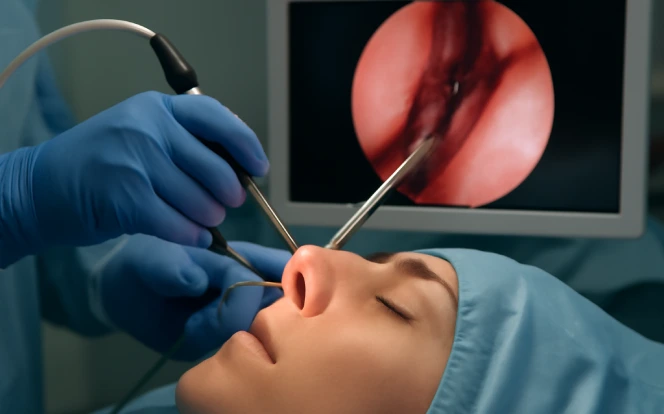
Balloon sinuplasty is an endoscopic procedure that uses a small balloon catheter to widen selected sinus drainage openings. The aim is to improve drainage and ventilation without routinely removing tissue. However, it is not appropriate for every sinus condition. A detailed ENT examination helps determine whether balloon dilation, medication, functional endoscopic sinus surgery (FESS), or another approach is most suitable.
What Is Balloon Sinuplasty?
The sinuses are air-filled spaces within the bones around the nose. They produce mucus that normally drains through small openings into the nasal cavity. When these openings become obstructed because of inflammation or other changes, mucus drainage may be impaired, contributing to sinus symptoms.
Balloon sinuplasty is designed to open selected blocked sinus pathways. During the procedure, an ENT surgeon guides a specialised catheter into the affected drainage opening, usually with endoscopic visualisation. The balloon is gently inflated to widen the passage and then removed.
Unlike conventional FESS, balloon dilation generally does not involve removing sinus tissue. It may be considered for certain patients with chronic or recurrent sinusitis when examination and imaging show that the affected sinus openings are suitable for this technique.
The procedure is not a universal solution for sinus disease. Extensive nasal polyps, certain anatomical problems, fungal disease, and other complex conditions may require different treatment. The ENT specialist will explain the expected benefits, limitations, and alternatives before recommending a procedure.
Common Symptoms of Chronic Sinus Problems
Sinusitis refers to inflammation of the lining of the sinuses. Symptoms may be temporary or persist for weeks, depending on the cause and severity.
Common symptoms include:
- Persistent nasal congestion or difficulty breathing through the nose.
- Facial pressure, fullness, or discomfort around the forehead and cheeks.
- Thick nasal discharge or mucus draining into the throat.
- Reduced sense of smell.
- Headache or a feeling of pressure around the eyes.
- Repeated episodes of sinus symptoms that interfere with daily activities.
Symptoms alone cannot confirm whether balloon sinuplasty is appropriate. Allergic rhinitis, migraine, nasal polyps, a deviated nasal septum, and other conditions may cause similar complaints. An accurate diagnosis is essential before considering surgery.
Who May Benefit from Balloon Sinuplasty?
Balloon sinuplasty may be considered for selected patients with chronic or recurrent sinusitis who have not improved adequately with appropriate medical management and whose sinus anatomy is suitable for balloon dilation.
An ENT specialist may review the duration and pattern of symptoms, previous treatment, nasal examination findings, and CT imaging when indicated. These findings help identify which sinuses are affected and whether an obstructed drainage pathway is contributing to the problem.
Patients with extensive nasal polyps, significant structural obstruction, or certain complex sinus diseases may benefit more from FESS or another tailored procedure. Some patients may not need surgery at all and may improve with appropriate medication, saline irrigation, or allergy management.
The decision should be individualised rather than based solely on a desire for a minimally invasive procedure.
Why Consult Dr. Shama Kovale for Sinus Treatment?
Dr. Shama S. Kovale is an experienced ENT specialist practising at Kokilaben Dhirubhai Ambani Hospital and Medical Research Institute in Andheri West, Mumbai. Her qualifications include MBBS, DLO, and MS in ENT from B.Y.L. Nair Hospital, Mumbai.
With more than 23 years of experience in ENT and sinus surgery, Dr. Kovale has developed expertise in endoscopic sinus surgery, revision FESS, nasal polyposis, and fungal sinusitis. Her additional specialised training includes programmes at UC Davis in the United States, Bombay Hospital, and Hinduja Hospital. Her wider clinical interests include voice and swallowing disorders, airway conditions, cochlear implants, and advanced endoscopic ENT procedures.
For patients searching for the Best ENT in Mumbai, a specialist’s experience with different sinus conditions is important because not all cases require the same procedure. Dr. Kovale’s approach involves evaluating symptoms and diagnostic findings before discussing appropriate treatment options.
Patients looking for ENT Specialists Near Me in Mumbai can contact her team to arrange an appointment and discuss persistent sinus symptoms.
What Happens During the Procedure?
The exact process depends on the patient’s diagnosis and the hospital’s clinical protocol. In general, treatment planning may involve the following steps:
- ENT consultation: The doctor reviews symptoms, medical history, allergies, and previous treatments.
- Nasal examination and imaging: Nasal endoscopy and a CT scan may be used to assess sinus anatomy and identify obstructed drainage pathways.
- Procedure planning: The surgeon explains whether balloon sinuplasty is suitable or whether another approach would be more effective.
- Balloon dilation: Under the planned anaesthesia, the surgeon guides the catheter to the selected sinus opening, inflates the balloon to widen the passage, and removes the catheter.
- Recovery and follow-up: The patient receives instructions about nasal care, prescribed medication, activity, and follow-up examinations.
The setting, anaesthesia, duration, and discharge arrangements vary according to the patient and procedure. The treating team will explain what to expect before surgery.
Balloon Sinuplasty vs. Functional Endoscopic Sinus Surgery
Balloon sinuplasty and FESS both aim to improve sinus drainage, but they work differently.
Balloon sinuplasty uses dilation to widen selected sinus openings. FESS uses an endoscope and specialised instruments to remove obstructing tissue or polyps and open affected sinus pathways where necessary. FESS may be more suitable for patients with extensive polyps, complex anatomy, or sinus disease requiring tissue removal.
Neither approach is best for every patient. The appropriate choice depends on the disease pattern, CT findings, anatomy, previous treatment, and the surgeon’s assessment.
Even after successful treatment, sinus symptoms may recur if underlying inflammation or allergies remain uncontrolled. Long-term care may include nasal saline irrigation, prescribed nasal sprays, allergy management, and follow-up appointments.
Schedule Your Consultation Today
If persistent congestion, facial pressure, or recurring sinus infections are affecting your quality of life, arrange an ENT evaluation to understand the cause and explore suitable treatment options.
Consult Dr. Shama Kovale at Kokilaben Dhirubhai Ambani Hospital for timely evaluation and expert sinus and ENT care.
Give Us a Ring: +91-91528 50769
Email: drshamakovaleent@gmail.com
Patients considering balloon sinuplasty in mumbai should book a consultation to discuss their symptoms, diagnostic findings, treatment alternatives, and expected recovery. A personalised assessment can help determine whether balloon dilation or another sinus treatment is appropriate.
Frequently Asked Questions
1. Is balloon sinuplasty suitable for everyone with sinusitis?
No. It may be suitable for selected patients with chronic or recurrent sinusitis and specific drainage pathway obstruction. Nasal polyps, complex sinus disease, or other anatomical issues may require FESS or a different treatment.
2. Is balloon sinuplasty different from FESS?
Yes. Balloon sinuplasty widens selected sinus openings using a balloon catheter, while FESS uses endoscopic instruments to open sinus pathways and remove obstructing tissue when necessary. The right procedure depends on the diagnosis and sinus anatomy.
3. How long does recovery after balloon sinuplasty take?
Recovery varies according to the extent of treatment, the patient’s condition, and whether other procedures are performed at the same time. Your surgeon will provide personalised instructions and a follow-up plan.
4. How can I book a consultation with Dr. Shama Kovale?
You can call +91-91528 50769 or email drshamakovaleent@gmail.com to arrange an appointment at Kokilaben Dhirubhai Ambani Hospital, Andheri West, Mumbai.


Comments
Post a Comment