Best Wart Removal Treatment in Mumbai: Expert Care by Dr. Deepam Shah
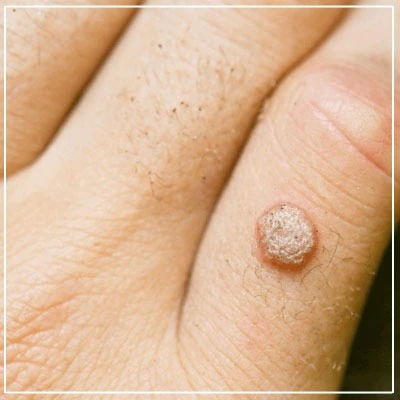
Warts are small, non-cancerous skin growths caused by certain types of human papillomavirus (HPV). They may appear on the fingers, hands, feet, face, or around the nails. Their size, shape, texture, and colour can vary depending on the type of wart and where it develops.
Although warts are generally harmless, they can cause discomfort, spread to other areas, or affect a person’s confidence, particularly when they appear on visible parts of the body. Warts on the soles of the feet may also become painful while walking.
If you are considering the best wart removal treatment in mumbai, a dermatologist can examine the growth, confirm whether it is a wart, and recommend an appropriate treatment. Dr. Deepam Shah at Viva Aesthetic Clinic provides dermatological care for skin concerns, including warts and other skin growths.
Choosing the right treatment begins with an accurate diagnosis rather than simply removing a bump without understanding its cause.
What Are the Different Types of Warts?
Recognising the type and location of a wart helps determine the most suitable treatment approach.
1. Common Warts
Common warts typically appear on the fingers, hands, and around the nails. They often have a rough, raised surface and may contain tiny dark dots. These growths can spread through direct contact or by transferring the virus from one area of skin to another.
2. Plantar Warts
Plantar warts develop on the soles of the feet. Pressure from standing or walking may push them inward, making them uncomfortable. They can resemble corns or calluses, so professional assessment is useful when the diagnosis is uncertain.
3. Flat Warts
Flat warts are generally small, smooth, and slightly raised. They may appear in groups on the face, arms, or legs. Because they can occur in visible areas, treatment should be selected carefully to minimise irritation and the risk of marks.
4. Filiform Warts
Filiform warts are narrow, finger-like growths that may appear around the nose, mouth, or eyes. Their location makes careful diagnosis and removal particularly important.
5. Periungual Warts
These warts develop around or beneath the fingernails and toenails. They may be difficult to treat and can sometimes affect nail growth. Professional treatment is recommended to avoid unnecessary damage to the surrounding nail tissue.
Genital warts are a separate category associated with certain HPV types and require appropriate medical assessment and treatment.
What Are the Available Wart Removal Treatments?
Wart treatment depends on the growth’s location, size, number, and duration, as well as the patient’s age, medical history, and previous treatment response.
1. Topical Treatments
Certain topical preparations, including salicylic acid, can help gradually remove layers of wart tissue. They may be suitable for selected common or plantar warts.
Treatment usually requires consistent use according to medical instructions. These products can irritate healthy skin, so they should not be used indiscriminately on the face, genital area, or sensitive skin. People with diabetes, poor circulation, or reduced sensation in their feet should seek medical advice before treating foot warts themselves.
2. Cryotherapy
Cryotherapy uses liquid nitrogen to freeze wart tissue. The treated area may blister, form a scab, and gradually heal. More than one session may be needed, depending on the wart and its response.
Temporary discomfort, blistering, changes in skin pigmentation, and, occasionally, scarring are possible. The dermatologist will explain whether this approach is suitable for the particular wart.
3. Electrocautery and Curettage
Electrocautery uses controlled electrical energy to destroy tissue, while curettage involves removing the growth with an appropriate instrument. These techniques may be considered for selected warts that require procedural removal.
Local anaesthesia may be used, depending on the procedure and location. Healing time and the possibility of a scar vary according to the size and depth of the treated area.
4. Laser Treatment
Laser treatment may be considered for selected persistent or difficult-to-treat warts. The choice of laser and treatment technique depends on the clinical assessment. Laser procedures can cause discomfort, pigmentation changes, and scarring, and they do not guarantee that a wart will never return.
5. Immunotherapy
For certain recurrent or resistant warts, a dermatologist may consider treatments designed to stimulate the body’s immune response against the wart. The method depends on the type of wart, its location, and previous treatment outcomes.
No single method is best for every patient. Some warts disappear without treatment, while others persist or recur even after removal. Your dermatologist can discuss the benefits, limitations, and likely recovery associated with each option.
What to Expect During a Wart Removal Consultation
At your appointment, the dermatologist will examine the growth and ask when it first appeared, whether it has changed, and if you have tried any treatments.
The assessment may include:
- Checking the size, colour, texture, and location of the growth.
- Determining whether the appearance is consistent with a wart or another skin condition.
- Reviewing previous treatments and relevant medical history.
- Selecting an appropriate removal method based on the findings.
- Explaining aftercare, healing expectations, and the possibility of recurrence.
Not every skin growth is a wart. A growth that bleeds, changes rapidly, develops an unusual appearance, or fails to respond as expected may require further assessment and, in selected cases, a biopsy.
Avoid cutting, burning, or picking at a suspected wart at home. These practices can cause infection, scarring, and spread of the virus.
Why Consult Dr. Deepam Shah at Viva Aesthetic Clinic?
Dr. Deepam Shah is a dermatologist, cosmetologist, and hair transplant surgeon with over a decade of experience in skin and aesthetic treatments. His qualifications include MBBS, MD and DNB in Dermatology and Venereology, and a Fellowship in Aesthetic Medicine (FAM). He has also received recognition as a Silver Medalist in the MUHS examination and Best Post Graduate Student for the Galderma Institute.
Dr. Shah is the founder of Viva Aesthetic Clinic, which offers dermatology and aesthetic services in South Mumbai. The approximately 1,000-square-foot clinic is equipped with modern lasers and medical devices, with services delivered by trained and qualified professionals.
Patients looking for a Dermatologist and Skin Specialist in Mumbai can seek an assessment of warts and other skin concerns. Those searching for a Dermatologist in Mumbai should prioritise accurate diagnosis, suitable treatment selection, and clear aftercare guidance.
At Viva Aesthetic Clinic, treatment recommendations can be tailored to the patient’s skin condition, the location of the wart, and individual needs.
Schedule Your Consultation Today
If a wart is painful, spreading, affecting your daily activities, or causing cosmetic concern, arrange a dermatology consultation to understand your treatment options.
Consult Dr. Deepam Shah at Viva Aesthetic Clinic for an assessment and a personalised wart management plan.


 Visit: Viva Aesthetic Clinic, Opera House or Colaba, Mumbai
Contact the clinic to arrange an appointment and discuss which treatment may be suitable for your skin concern.
Frequently Asked Questions
1. Are warts contagious?
Yes. Warts are caused by certain HPV types and can spread through direct contact or contaminated objects and surfaces. Avoid picking at warts, and do not share items such as nail clippers that have been used on affected skin.
2. Is wart removal painful?
The level of discomfort depends on the wart’s location and the treatment used. Cryotherapy may cause temporary stinging, while procedural removal may involve local anaesthesia. Your dermatologist can explain what to expect before treatment.
3. Can warts return after removal?
Yes. Treatment removes or destroys the visible wart, but the virus may remain in surrounding skin. Some warts recur, and additional treatment may be required.
4. Which wart removal method is best?
There is no single best method for every wart. Topical treatments, cryotherapy, electrocautery, curettage, laser treatment, or immunotherapy may be considered depending on the diagnosis and individual circumstances. A dermatologist can recommend the appropriate option.


Comments
Post a Comment