Cervical Precancer Treatment in Mumbai: Expert Gynaecological Care
Cervical precancer refers to abnormal changes in the cells of the cervix that may develop into cervical cancer if certain high-grade lesions are not treated appropriately. These changes are commonly associated with persistent infection with high-risk human papillomavirus (HPV). However, cervical precancer is not the same as cervical cancer, and timely screening, accurate diagnosis, and appropriate follow-up can significantly reduce the risk of progression.
Women seeking cervical precancer treatment in mumbai can consult Dr. Maitreyee Parulekar at Kirit Nursing Home to understand their screening results and explore suitable treatment options. The recommended approach depends on the severity of the abnormality, biopsy findings, age, medical history, and future pregnancy plans.
What Is Cervical Precancer?
Cervical precancer develops when cells on the cervix—the lower part of the uterus that opens into the vagina—begin to show abnormal changes. These changes may be detected through routine cervical screening, often before symptoms appear.
Doctors may classify these changes as cervical intraepithelial neoplasia (CIN):
- CIN 1: Mild abnormalities that frequently resolve naturally and may be monitored.
- CIN 2: Moderate abnormalities that may require treatment or, in selected cases, close observation.
- CIN 3: High-grade abnormalities that generally require treatment because of their potential to progress.
An abnormal Pap smear does not automatically mean that cancer is present. Further testing helps determine the type and severity of the changes and whether treatment is needed.
What Causes Cervical Precancer?
Persistent infection with high-risk HPV types is the main cause of most cervical precancerous changes. HPV is common, and many infections clear naturally. When a high-risk infection persists, it can cause changes in cervical cells over time.
Factors such as smoking and a weakened immune system may increase the likelihood of persistent infection or progression. HPV vaccination, regular screening, and recommended follow-up are important measures for protecting cervical health.
Cervical precancer usually causes no symptoms in its early stages. This is why routine screening is important even when a woman feels healthy.
How Is Cervical Precancer Diagnosed?
Diagnosis helps determine whether monitoring or treatment is appropriate. Depending on the patient’s age, medical history, and previous results, the doctor may recommend the following:
Pap smear: Examines cervical cells for abnormal changes.
HPV testing: Identifies high-risk HPV types associated with cervical precancer.
Colposcopy: Allows the doctor to examine the cervix under magnification and identify areas that may require further assessment.
Cervical biopsy: A small tissue sample is collected when indicated and examined in a laboratory to determine the severity of the abnormality.
Not every abnormal screening result requires surgery. The next step should be based on the combined screening results, examination findings, and clinical guidelines.
Treatment Options for Cervical Precancer
The treatment plan depends on the grade and location of the abnormal cells, the patient’s age, and whether future pregnancy is desired.
1. Monitoring and Regular Follow-Up
Some mild abnormalities, particularly CIN 1, may be managed with repeat HPV testing, Pap smears, or colposcopy at recommended intervals. Many mild changes resolve without treatment.
Monitoring is not the same as ignoring the condition. Attending follow-up appointments is essential to confirm that the abnormality improves or does not progress.
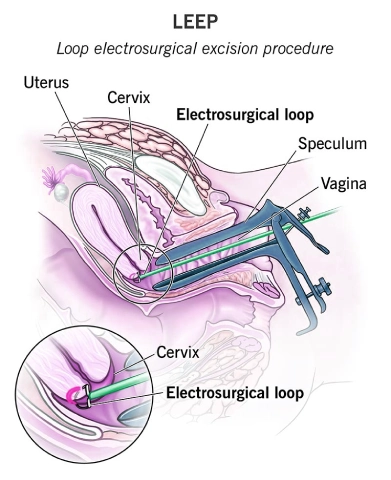
2. Loop Electrosurgical Excision Procedure (LEEP)
LEEP uses a thin wire loop carrying an electrical current to remove abnormal cervical tissue. It is commonly used for suitable high-grade lesions and allows the removed tissue to be examined in a laboratory.
The procedure is generally performed using local anaesthesia in an appropriate clinical setting. Mild cramping, spotting, or watery discharge may occur afterwards. Your doctor will explain preparation, aftercare, and follow-up.
3. Cone Biopsy
A cone biopsy removes a cone-shaped section of cervical tissue containing the abnormal area. It may be recommended when abnormalities extend into the cervical canal, when a more detailed tissue assessment is needed, or when previous results require clarification.
The removed tissue is examined to assess the lesion and its margins. The technique and anaesthesia depend on the individual case.
4. Ablative Treatments
In selected cases, treatments such as cryotherapy may be considered. These methods destroy abnormal tissue rather than removing it for laboratory examination. They are appropriate only when specific clinical criteria are met and invasive disease has been adequately excluded.
The aim is to treat significant abnormalities while preserving healthy cervical tissue whenever possible. The doctor will discuss the advantages, limitations, risks, and alternatives before recommending a procedure.
Recovery and Follow-Up After Treatment
Recovery depends on the treatment performed. After LEEP or cone biopsy, temporary spotting, mild cramps, or watery discharge may occur. The doctor may advise avoiding intercourse, tampons, swimming, or strenuous activity for a specified period while the cervix heals.
Seek medical advice promptly if you experience heavy bleeding, fever, severe pain, or foul-smelling discharge.
Follow-up HPV testing, Pap smears, or other examinations are essential because abnormal cells or HPV infection can persist or recur. The timing depends on the procedure, pathology findings, and recommended clinical guidelines. Even after successful treatment, continued cervical screening remains important.
Why Consult Dr. Maitreyee Parulekar?
Dr. Maitreyee Parulekar is a gynaecologist with specialist experience in gynaecological oncology and minimally invasive surgery. Her qualifications include MBBS, MS in Obstetrics and Gynaecology from Seth G.S. Medical College and KEM Hospital, MRCOG (UK), and FMAS (MUHS). Her advanced training includes a fellowship in gynaecological oncosurgery and robotic surgery at Seoul National University Hospital in South Korea, as well as visiting scholar training in minimally invasive gynaecology in Toronto, Canada.
Her professional profile highlights clinical and research experience in gynaecological oncology, advanced laparoscopic techniques, and robotic surgery. She has also contributed to medical research and publications in her field.
Patients searching for a Robotic Gynecologist In Vile Parle, Mumbai can consult Dr. Parulekar for appropriate gynaecological evaluation and guidance. Her specialist background as a Top Gynae Oncologist In Mumbai is relevant for patients who require assessment of cervical abnormalities and advice on treatment options.
Kirit Nursing Home provides a clinical setting for consultations and gynaecological care. Patients can discuss screening reports, biopsy findings, treatment choices, and follow-up recommendations during an appointment. The treatment plan should always be based on individual findings and medical needs.
When Should You Consult a Doctor?
Schedule an appointment if you have an abnormal Pap smear or HPV result, have been diagnosed with cervical dysplasia, or need guidance about further testing. Early evaluation can help clarify whether monitoring or treatment is appropriate.
Do not delay recommended follow-up because you have no symptoms. Cervical precancer often develops silently, and timely care is an important part of prevention.
Book a Consultation with Dr. Maitreyee Parulekar
An abnormal cervical screening result can be worrying, but it does not automatically mean you have cancer. A timely consultation can help you understand your diagnosis, available treatments, and the follow-up needed to protect your health.
Contact Dr. Maitreyee Parulekar at Kirit Nursing Home to discuss your screening results and receive personalised guidance.
Call: +91 72087 27500
Email: info@drmaitreyeegynec.in
 Get directions to Kirit Nursing Home
Call the clinic to schedule an appointment with Dr. Maitreyee Parulekar.
Frequently Asked Questions
1. Does cervical precancer mean I have cervical cancer?
No. Cervical precancer refers to abnormal cell changes that may progress to cancer if certain lesions are left untreated. Additional evaluation helps determine the severity and the appropriate next step.
2. Does every case of cervical precancer require surgery?
No. Some mild abnormalities may be monitored with regular screening and follow-up. Higher-grade changes are more likely to require treatment, depending on the clinical findings and individual circumstances.
3. Can cervical precancer treatment affect future pregnancy?
Some procedures that remove cervical tissue may increase the risk of pregnancy complications, particularly if a large amount of tissue is removed or procedures are repeated. Discuss your plans for future pregnancy with your doctor before treatment.
4. Can cervical precancer return after treatment?
Yes. Abnormal changes can persist or recur, and HPV may remain detectable. Follow-up testing is essential to monitor cervical health and identify any changes requiring further attention.


Comments
Post a Comment