Deep Brain Stimulation Surgery in Mumbai: A Guide for Patients
Living with Parkinson’s disease, essential tremor, or dystonia can make everyday activities increasingly challenging. Tremors, muscle stiffness, involuntary movements, and difficulty walking may affect independence and quality of life, particularly when medication no longer provides consistent relief. Deep Brain Stimulation (DBS) is an advanced surgical treatment that may help eligible patients manage these symptoms.
Dr. Manish Baldia, a functional neurosurgeon at Baldia’s Advance Neuro Parkinson’s and Spine Centre, specializes in DBS and the management of complex neurological and movement disorders. Understanding the procedure, its potential benefits, and the importance of specialist assessment can help patients and families make informed decisions about treatment.
What Is Deep Brain Stimulation Surgery?
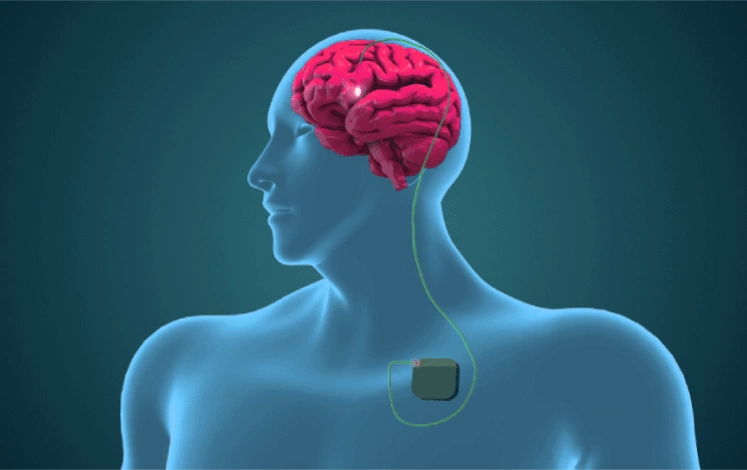
Deep Brain Stimulation is a neurosurgical procedure that uses controlled electrical impulses to regulate abnormal activity in specific areas of the brain. It involves placing thin electrodes in carefully selected brain regions and connecting them to a neurostimulator, a device usually implanted beneath the skin near the chest.
The device sends electrical signals through the electrodes to help manage symptoms associated with certain neurological conditions. A specialist adjusts the stimulation settings through a process called programming to find an appropriate balance between symptom control and side effects.
For suitable patients considering deep brain stimulation surgery in mumbai, a detailed assessment is essential to determine whether DBS is likely to provide meaningful benefits.
DBS is not a cure for Parkinson’s disease or other underlying neurological disorders. However, it may improve symptom control, daily functioning, and quality of life in appropriately selected patients.
Which Conditions Can DBS Help Treat?
DBS is primarily used to manage selected movement disorders and may be considered for other conditions in specific circumstances.
1. Parkinson’s Disease
Parkinson’s disease can cause tremors, stiffness, slowed movements, and changes in walking. As the condition progresses, some patients experience fluctuations in medication effectiveness or involuntary movements known as dyskinesias.
DBS may help eligible patients improve motor symptoms and reduce fluctuations. Medication usually remains part of the treatment plan, although the dose or schedule may sometimes be adjusted after surgery.
2. Essential Tremor
Essential tremor can cause involuntary shaking of the hands, head, or voice. When tremors significantly interfere with eating, writing, dressing, or other activities despite appropriate medication, DBS may be considered.
3. Dystonia
Dystonia causes involuntary muscle contractions that can produce twisting movements, unusual postures, or painful muscle spasms. Selected patients with severe dystonia may benefit from stimulation of specific brain targets.
4. Other Neurological Conditions
DBS may also be considered in carefully selected cases of certain forms of epilepsy and other treatment-resistant conditions. The evidence, suitability, and expected outcomes vary by diagnosis, so specialist evaluation is particularly important.
Who Is a Suitable Candidate for DBS?
DBS is not appropriate for everyone with a neurological disorder. A functional neurosurgeon assesses the patient’s diagnosis, symptoms, general health, treatment history, and expectations before recommending surgery.
Assessment may include:
- A detailed neurological examination and review of current medication.
- Evaluation of how symptoms respond to medication and how much they affect everyday activities.
- Brain imaging and other investigations where indicated.
- Cognitive, psychological, or multidisciplinary assessments when appropriate.
- Discussion of potential benefits, limitations, risks, and long-term follow-up requirements.
For Parkinson’s disease, DBS may be considered when medication continues to help certain symptoms but does not provide adequate control throughout the day, or when treatment-related motor fluctuations and dyskinesias become troublesome.
The decision should be individualized. Age alone does not automatically determine suitability; overall health, cognition, the nature of symptoms, and surgical risk also matter.
How Is DBS Surgery Performed?
The procedure involves several stages, with the exact approach depending on the patient, treatment centre, and device selected.
1. Preoperative planning: The team reviews the diagnosis, performs necessary assessments, and uses imaging to plan electrode placement.
2. Electrode placement: Thin electrodes are positioned in targeted brain regions using specialized surgical techniques and imaging guidance. Depending on the clinical plan, the procedure may involve local anaesthesia, sedation, or general anaesthesia.
3. Neurostimulator implantation: The electrodes are connected to a neurostimulator placed beneath the skin, commonly in the chest area.
4. Device programming: After surgery, the specialist adjusts the stimulation settings to optimize symptom management and minimize unwanted effects. Several programming sessions may be needed.
5. Rehabilitation and follow-up: Medication adjustments, physiotherapy, gait and balance training, and other supportive services may be recommended according to the patient’s needs.
Patients should understand that successful treatment depends on more than electrode placement. Careful patient selection, precise surgery, device programming, and continued follow-up all contribute to the overall treatment plan.
Benefits and Risks of Deep Brain Stimulation
For appropriately selected patients, DBS may reduce tremors, stiffness, involuntary movements, and motor fluctuations. Some patients find that everyday tasks become easier and that they can participate more comfortably in family and social activities.
Another potential benefit is that stimulation settings can be adjusted over time. Unlike procedures that permanently destroy targeted brain tissue, DBS is generally considered a non-destructive and adjustable treatment, although implantation still involves surgery and carries important risks.
Potential complications include bleeding in the brain, infection, seizures, device-related problems, and anaesthesia-related complications. Stimulation can also cause side effects such as speech, balance, mood, or sensory changes in some patients.
DBS does not reliably improve every symptom. Balance difficulties, speech problems, memory concerns, and other non-motor symptoms may respond differently from tremors or stiffness. Your surgeon should explain the likely benefits and limitations for your specific condition.
Why Consult Dr. Manish Baldia for DBS in Mumbai?
Dr. Manish Baldia is a functional neurosurgeon specializing in Deep Brain Stimulation, Parkinson’s disease, and other movement disorders. His qualifications include an MBBS, an MCh in Neurosurgery from Christian Medical College (CMC), Vellore, and a fellowship in functional neurosurgery and neuromodulation, including EEPIN training in London.
His professional background includes extensive neurosurgical training at CMC Vellore, further specialization in functional neurosurgery under Dr. Paresh Doshi, and international exposure to advanced functional and stereotactic techniques.
According to his official website, Dr. Baldia has performed more than 3,000 brain, spine, and DBS-related surgeries, including over 250 DBS surgeries, and has substantial experience in device programming. His expertise also includes complex movement disorders, epilepsy surgery, stereotactic procedures, and selected brain and spine conditions.
At Baldia’s Advance Neuro Parkinson’s and Spine Centre, the treatment approach emphasizes individualized assessment, explaining available options, and planning appropriate postoperative programming and follow-up. Patients and caregivers can discuss their concerns, expected outcomes, and ongoing care needs with the specialist.
When searching for the best doctor for parkinsons in mumbai, patients should consider relevant qualifications, experience with DBS, access to programming and follow-up services, communication, and the suitability of the proposed treatment plan.
Book a DBS Consultation in Mumbai
If Parkinson’s disease, essential tremor, or another movement disorder continues to affect daily life despite medical treatment, a specialist consultation can help determine whether DBS is an appropriate option.
Contact Dr. Manish Baldia at Baldia’s Advance Neuro Parkinson’s and Spine Centre to discuss symptoms, previous treatments, and possible next steps.
 Call: 096767 67507
Schedule a consultation with Dr. Manish Baldia to understand your treatment options and find out whether DBS may be suitable for your condition.
Frequently Asked Questions
1. Is Deep Brain Stimulation a cure for Parkinson’s disease?
No. DBS helps manage selected symptoms but does not cure Parkinson’s disease or stop its underlying progression. Patients generally continue to need medical supervision and may still require medication.
2. How long does recovery take after DBS surgery?
Recovery varies according to the surgical approach, overall health, and individual circumstances. Some patients resume light activities within days, while healing and adjustment take longer. Device programming and follow-up appointments are important parts of recovery.
3. Is DBS suitable for elderly patients?
Some older adults may be suitable candidates. Age alone is not the only consideration; overall health, cognitive function, symptoms, surgical risks, and expected benefits must be assessed individually by the treating team.
4. Does DBS eliminate the need for Parkinson’s medication?
Not necessarily. Some patients may be able to reduce medication or adjust their schedules, but others continue to need medication after surgery. Any changes should be guided by the treating neurologist or neurosurgical team.


Comments
Post a Comment