GI Cancer Surgery in Mumbai: Specialised Care with Dr. Chintamani Godbole
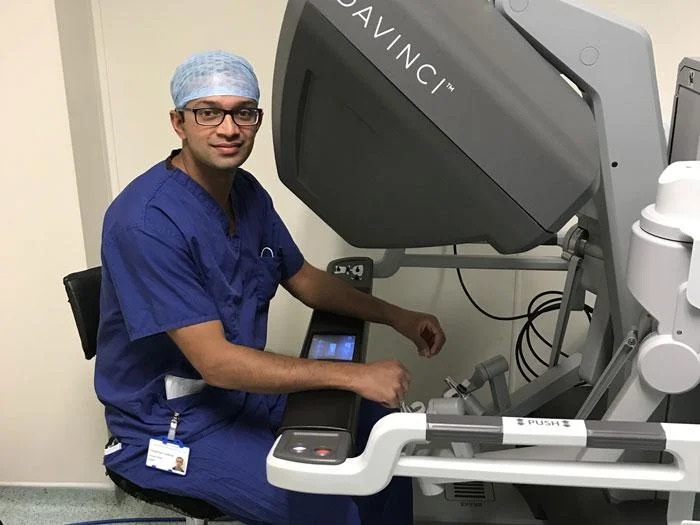
A diagnosis of gastrointestinal (GI) cancer can raise many questions about treatment, surgery, recovery and long-term health. Gastrointestinal cancers can affect different parts of the digestive system, including the colon, rectum, stomach, small intestine and other abdominal organs. Identifying the cancer type and stage is essential for choosing an appropriate treatment plan. For people exploring gi cancer surgery mumbai, Dr. Chintamani Godbole offers specialised surgical expertise in colorectal cancer and selected complex abdominal malignancies at Gadre Hospital, Dadar East.
Dr. Godbole’s training in surgical gastroenterology, colorectal surgery and peritoneal oncology supports a focused approach to evaluating complex cases. Treatment recommendations depend on the cancer’s location, stage, the patient’s general health and whether surgery is likely to provide a meaningful benefit. Depending on the diagnosis, care may involve surgery, chemotherapy, radiotherapy or a combination of treatments.
Understanding Gastrointestinal Cancer
Gastrointestinal cancer refers to cancer that develops in the organs of the digestive system. The symptoms and treatment options differ according to the organ affected and the extent of the disease.
Common types include:
- Colorectal cancer: Cancer affecting the colon or rectum.
- Stomach cancer: Cancer that develops in the stomach.
- Small intestine cancer: A less common cancer affecting the small bowel.
- Anal cancer: Cancer affecting the anal canal or surrounding tissues.
- Peritoneal malignancy: Cancer involving the peritoneum, the lining of the abdominal cavity. It may originate there or spread from another organ.
Not all these cancers are managed by the same surgeon or with the same operation. A specialist assessment helps determine which expertise and treatment pathway are appropriate.
Symptoms That May Require Medical Evaluation
GI cancer symptoms vary, and some patients may have no obvious symptoms in the early stages. Possible warning signs include:
- Blood in the stool or rectal bleeding.
- Persistent changes in bowel habits.
- Ongoing abdominal discomfort or bloating.
- Unexplained weight loss.
- Reduced appetite or persistent nausea.
- Unexplained fatigue or anaemia.
- Difficulty swallowing or persistent digestive symptoms, depending on the organ involved.
These symptoms do not necessarily mean cancer is present; many can be caused by other conditions. However, persistent or unexplained symptoms should be assessed by a qualified medical professional. Severe abdominal pain, heavy bleeding or signs of bowel obstruction require urgent medical attention.
How Is GI Cancer Diagnosed?
Before recommending surgery, the medical team needs to understand the cancer’s type, location and extent. Depending on the suspected diagnosis, investigations may include:
Clinical assessment: The doctor reviews symptoms, medical history, family history and previous test results.
Endoscopy or colonoscopy: These procedures allow the specialist to examine parts of the digestive tract and, when indicated, collect tissue samples.
Biopsy: A laboratory examination of tissue is generally required to confirm the type of cancer.
Imaging: CT, MRI, ultrasound or other scans may be used to assess the tumour and check whether it has spread.
Staging and treatment planning: The results help the team determine the stage of the cancer and consider the most appropriate treatment options.
Not every patient needs every test. Investigations are selected according to the suspected cancer and the information required for treatment planning.
When Is GI Cancer Surgery Needed?
Surgery may be recommended when a tumour can be removed safely and doing so is expected to improve disease control or relieve a complication. The exact operation depends on the organ involved, the size and location of the tumour, whether nearby structures are affected and whether the disease has spread.
For some colorectal cancers, surgery involves removing the affected segment of bowel along with nearby lymph nodes. In selected cases, surgeons may be able to preserve normal bowel function or the anal sphincter. In other cases, a temporary or permanent stoma may be necessary.
Some patients require additional treatments such as chemotherapy or radiotherapy before or after surgery. For advanced cancers, surgery may not be the first or most appropriate treatment. Decisions should be made after reviewing the full clinical picture, ideally with input from relevant specialists.
Minimally Invasive and Robotic Colorectal Surgery
Laparoscopic surgery uses small incisions, a camera and specialised instruments to perform an operation. Robotic-assisted surgery allows a trained surgeon to control instruments through a robotic system. These approaches may be suitable for selected colorectal cancers and other gastrointestinal conditions.
Potential advantages in appropriate cases include smaller incisions, reduced postoperative discomfort and a shorter hospital stay compared with some open procedures. Outcomes vary, and minimally invasive surgery is not suitable for every tumour or patient. The safest and most effective approach depends on the specific operation and the surgeon’s assessment.
Dr. Chintamani Godbole has specialised training in robotic and laparoscopic colorectal surgery. His experience in these techniques is particularly relevant to patients with colorectal conditions who require an evaluation of surgical options.
Peritoneal Cancer and HIPEC
Certain abdominal cancers can spread to the peritoneum. For carefully selected patients, treatment may involve cytoreductive surgery (CRS) to remove visible tumour deposits, combined with hyperthermic intraperitoneal chemotherapy (HIPEC), in which heated chemotherapy is delivered into the abdominal cavity during surgery.
CRS and HIPEC are complex treatments, not suitable for every patient with abdominal cancer. Eligibility depends on factors such as the cancer type, extent of spread, overall health and likelihood of removing the visible disease. A specialist team must carefully weigh potential benefits against significant surgical risks and recovery demands.
Dr. Godbole’s additional training in colorectal and peritoneal oncology is relevant for patients who need an expert opinion about selected peritoneal surface malignancies.
Why Consult Dr. Chintamani Godbole at Gadre Hospital?
Selecting a surgeon for cancer treatment involves reviewing qualifications, experience with the relevant condition, available treatment options and communication throughout the care process.
Dr. Chintamani Godbole completed his MBBS and MS in General Surgery at Seth G. S. Medical College and KEM Hospital, Mumbai, followed by a DNB in Surgical Gastroenterology at Jaslok Hospital and Research Centre. He also holds MRCS and FRCS qualifications from the Royal College of Surgeons of Edinburgh.
His further training includes fellowships in robotic colorectal surgery in Coventry and colorectal and peritoneal oncology in Basingstoke, United Kingdom. His professional background includes approximately five years of work in the UK and experience in minimally invasive colorectal procedures and cytoreductive surgery with HIPEC.
For patients seeking a Colorectal Surgeon in Mumbai, Dr. Godbole’s specialised focus may be relevant for colorectal cancer and selected complex abdominal malignancies. People looking for the Best Doctor for Gastroenterology in Mumbai should consider the specialist’s qualifications, experience with their particular diagnosis and the clarity of the treatment plan offered.
At Gadre Hospital, near Hindmata Cinema in Dadar East, patients can discuss symptoms, diagnostic reports and possible surgical approaches with Dr. Godbole. A consultation provides an opportunity to understand the potential benefits, risks, alternatives and expected recovery associated with a proposed procedure.
Recovery and Follow-Up After GI Cancer Surgery
Recovery depends on the type of surgery, the stage of cancer, the patient’s general health and whether additional treatment is required. Hospital stays and return-to-work timelines can vary considerably.
After surgery, the care team may guide patients on wound care, pain management, nutrition, gradual physical activity and bowel function. Follow-up appointments are important to monitor recovery, review pathology results and plan any further treatment. Some patients require ongoing surveillance with examinations, blood tests, imaging or endoscopy, depending on the cancer type.
Patients should follow their surgeon’s instructions and seek medical advice for fever, worsening pain, persistent vomiting, wound problems or other unexpected symptoms after surgery.
Book a Consultation with Dr. Chintamani Godbole
If you or a family member has been diagnosed with gastrointestinal cancer or needs an opinion about colorectal cancer surgery, a specialist consultation can help clarify the diagnosis and available treatment options. Dr. Chintamani Godbole provides consultations at Gadre Hospital in Dadar East, Mumbai.
Call: 81087 91470
Email: drchintamanigodbole@gmail.com
Get Directions to Gadre Hospital. Bring available scan reports, biopsy results, endoscopy or colonoscopy findings, medication details and previous treatment records to help the doctor review your case.
Frequently Asked Questions
1. What types of cancer can require gastrointestinal surgery?
Depending on the specialist’s area of expertise, gastrointestinal surgery may be used for selected cancers of the colon, rectum, stomach, small intestine and other abdominal structures. The appropriate surgeon and treatment depend on the cancer’s location and stage.
2. Is surgery always necessary for GI cancer?
No. Treatment may involve surgery, chemotherapy, radiotherapy, targeted treatment or a combination of approaches. The recommendation depends on the cancer type, stage, location and the patient’s overall health.
3. What is the difference between laparoscopic and robotic GI cancer surgery?
Laparoscopic surgery uses a camera and specialised instruments inserted through small incisions. Robotic-assisted surgery uses a robotic platform controlled by the surgeon. Both are used in selected cases, and neither approach is automatically better for every patient.
4. How can I consult Dr. Chintamani Godbole for GI cancer surgery?
You can contact Gadre Hospital near Hindmata Cinema, Dadar East, Mumbai, by calling 81087 91470 or emailing drchintamanigodbole@gmail.com to enquire about an appointment and bring your relevant medical reports.


Comments
Post a Comment