Hysteroscopy Treatment in Thane: Expert Care by Dr. Arohi Tasgaonkar
Heavy menstrual bleeding, irregular periods, uterine polyps, and certain fertility concerns may require a closer examination of the uterus. Hysteroscopy is a minimally invasive procedure that allows a gynaecologist to examine the inside of the uterine cavity and, when appropriate, treat specific abnormalities. If you are exploring hysteroscopy treatment thane, Dr. Arohi Tasgaonkar at Dr. Arohi’s Complete Women’s Care can help you understand the cause of your symptoms and discuss suitable treatment options.
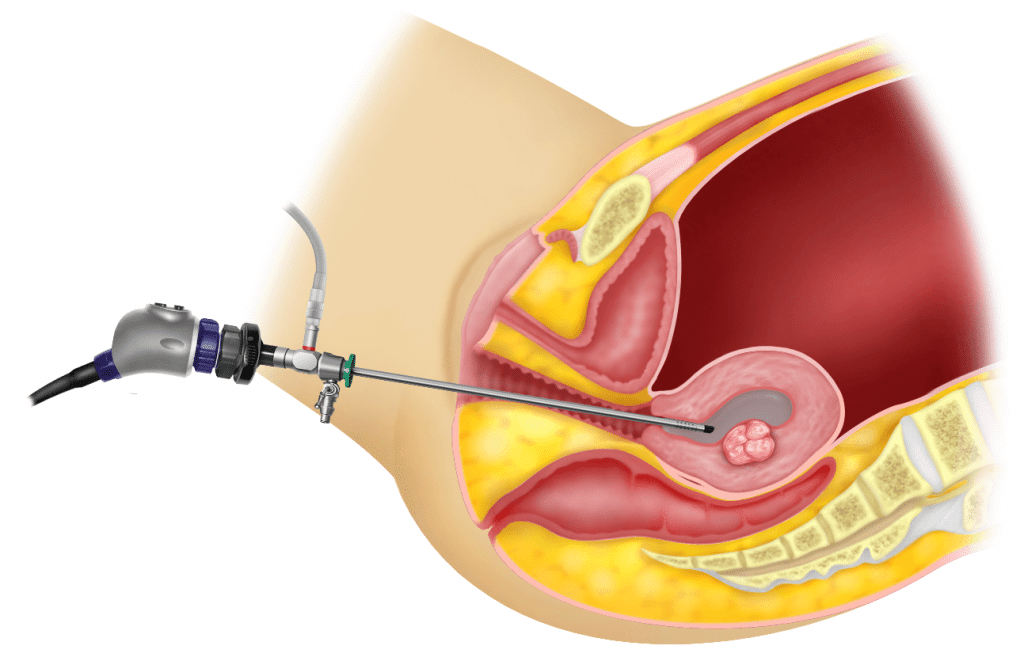
Unlike procedures that require an incision in the abdomen, hysteroscopy involves passing a thin instrument with a light and camera through the vagina and cervix into the uterus. It may be used for diagnosis, treatment, or both, depending on the condition identified.
What Is Hysteroscopy?
Hysteroscopy is a gynaecological procedure used to examine the uterine cavity. The hysteroscope provides a view of the uterine lining on a screen, helping the doctor identify abnormalities such as polyps, certain fibroids, scar tissue, or other changes inside the uterus.
There are two main types:
Diagnostic hysteroscopy: This is performed to investigate symptoms or examine the uterine cavity when an initial assessment has not provided enough information. It may be recommended for selected cases of abnormal uterine bleeding, suspected uterine abnormalities, or fertility-related concerns.
Operative hysteroscopy: When a treatable abnormality is found, specialised instruments may be passed through the hysteroscope to remove or treat it. Depending on the diagnosis, this can include removal of certain polyps or fibroids and treatment of intrauterine adhesions.
The exact procedure depends on the findings, the patient’s symptoms, and the intended treatment. Not every uterine condition can be managed with hysteroscopy.
When May Hysteroscopy Be Recommended?
A gynaecologist may recommend hysteroscopy when symptoms or investigation results suggest an abnormality inside the uterus.
1. Heavy or irregular menstrual bleeding
Periods that are unusually heavy, prolonged, or irregular may be associated with uterine polyps, fibroids, or other conditions. Hysteroscopy can help examine the uterine cavity when indicated. Treatment depends on the underlying cause rather than the bleeding pattern alone.
2. Uterine polyps
Polyps are growths that develop from the lining of the uterus. Some cause bleeding between periods, heavy menstrual flow, or bleeding after menopause, while others produce no symptoms. Hysteroscopy may allow a doctor to identify and remove suitable polyps. Removed tissue may be sent for laboratory examination when appropriate.
3. Certain uterine fibroids
Fibroids are non-cancerous growths that can develop in or around the uterus. Fibroids that project into the uterine cavity may sometimes be removed through operative hysteroscopy. Fibroids located deeper in the uterine wall or outside the cavity may require a different approach.
4. Fertility-related evaluation
In selected patients experiencing infertility or repeated pregnancy loss, examination of the uterine cavity may help identify polyps, adhesions, or structural abnormalities. Hysteroscopy is not necessary for every person undergoing fertility treatment, so the decision should be based on the clinical history and other test results.
5. Intrauterine adhesions
Scar tissue inside the uterine cavity can develop after certain procedures or infections. In suitable cases, hysteroscopy can help identify and treat these adhesions. Follow-up may be required depending on their severity and the patient’s reproductive goals.
Why Choose Dr. Arohi Tasgaonkar?
Dr. Arohi Tasgaonkar is an obstetrician and gynaecologist with specialised training in minimally invasive gynaecological surgery. She holds an MS in Obstetrics and Gynaecology from Grant Medical College and Sir J.J. Group of Hospitals, Mumbai, along with a DNB in Obstetrics and Gynaecology. She has also completed a fellowship in gynaecological endoscopy under the guidance of Dr. Haresh Vaghasia.
With over a decade of clinical experience in women’s healthcare, Dr. Arohi manages a range of gynaecological conditions, including menstrual disorders, fibroids, endometriosis, and fertility-related concerns. Her surgical interests include hysteroscopic and laparoscopic procedures, allowing her to assess whether a minimally invasive option may be appropriate.
Patients looking for the Best Gynecologist In Thane should consider relevant qualifications, procedural experience, clear communication, and an individualised treatment plan. Dr. Arohi’s approach emphasises explaining the diagnosis and available options so that patients can participate in decisions about their care.
Her practice supports women’s health needs across different life stages, from adolescent gynaecology to reproductive health and menopause care.
Hysteroscopy at Dr. Arohi’s Complete Women’s Care
Dr. Arohi’s Complete Women’s Care provides gynaecological consultations and treatment planning for women with menstrual, uterine, and reproductive health concerns. Patients can discuss their symptoms, review previous reports, and understand whether hysteroscopy or another investigation is needed.
Consultations are available at the Panch Pakhdi clinic and the Ghodbunder Road location in Thane. The care plan is based on clinical assessment and the procedure required; operative hysteroscopy may be arranged in an appropriate surgical setting.
Patients searching for a Gynecologist in Thane can contact the clinic to discuss appointment availability and the next steps for assessment.
How Is Hysteroscopy Performed?
The process may vary depending on whether the procedure is diagnostic or operative.
- Pre-procedure assessment: The doctor reviews symptoms, medical history, medications, and relevant investigations. A pregnancy test or other tests may be required in certain circumstances.
- Preparation: The team explains the procedure, pain-management options, anaesthesia or sedation where appropriate, and expected recovery.
- Insertion of the hysteroscope: The thin instrument is passed through the vagina and cervix into the uterus. A suitable fluid is used to expand the cavity for a clear view.
- Examination or treatment: The doctor examines the uterine lining and may use specialised instruments to treat an appropriate abnormality.
- Recovery and follow-up: The patient receives instructions about symptoms to expect, medication if needed, and when to return for review.
Some diagnostic procedures can be completed in an outpatient setting, while operative hysteroscopy may require anaesthesia or a hospital-based procedure. The setting depends on the patient’s needs and the planned intervention.
Recovery and Possible Risks
Recovery is often relatively quick after uncomplicated hysteroscopy, particularly when no extensive treatment is required. Mild cramping and light vaginal bleeding or spotting may occur for a short time. Recovery can take longer after operative procedures, depending on what was treated.
Follow the treating team’s advice about pain relief, activity, sexual intercourse, tampons, and other vaginal products. Do not assume the same restrictions apply to every procedure.
Although complications are uncommon, possible risks include infection, bleeding, injury to the uterus or cervix, and complications related to the fluid used during the procedure. Seek urgent medical advice for heavy bleeding, fever, severe or worsening abdominal pain, foul-smelling discharge, or persistent vomiting.
Schedule Your Consultation Today
If you are experiencing heavy periods, unexplained bleeding, or a uterine condition that needs further investigation, a gynaecology consultation can help clarify your options. Dr. Arohi Tasgaonkar can review your symptoms and explain whether hysteroscopy is suitable or whether another approach is more appropriate.
Call: +91 98330 74977
Email: arohi.tasgaonkar@gmail.com
 Dr. Arohi’s Complete Women’s Care
If you are considering hysteroscopy treatment thane, arrange an appointment to discuss your symptoms, investigation findings, and treatment goals with a qualified gynaecologist.
Frequently Asked Questions
1. Is hysteroscopy a major surgery?
Diagnostic hysteroscopy is often a short procedure and may be performed without an abdominal incision. Operative hysteroscopy is used to treat selected abnormalities, and the setting, anaesthesia, and recovery depend on the planned procedure.
2. Can hysteroscopy help with heavy menstrual bleeding?
It can help identify and treat certain causes of heavy bleeding, such as uterine polyps and some fibroids inside the uterine cavity. Other causes may require medication, additional investigations, or a different treatment.
3. Is hysteroscopy useful for fertility problems?
In selected cases, it can identify uterine polyps, adhesions, or structural abnormalities that may affect reproductive care. It is not required for everyone experiencing infertility, and the need for the procedure should be assessed individually.
4. How can I book a hysteroscopy consultation with Dr. Arohi Tasgaonkar?
Call +91 98330 74977 or email arohi.tasgaonkar@gmail.com. You can request an appointment at Dr. Arohi’s Complete Women’s Care in Panch Pakhdi or Ghodbunder Road, Thane.


Comments
Post a Comment