Keloid Treatment in Mumbai: Expert Scar Care at Viva Aesthetic Clinic
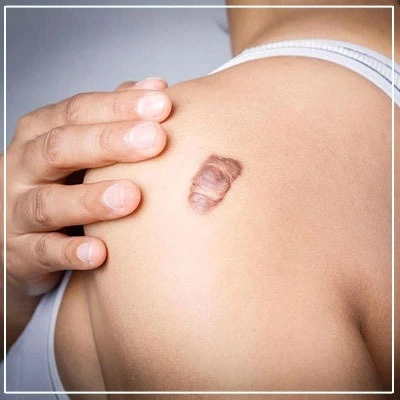
If you are looking for keloid treatment in Mumbai, understanding the causes and available treatment options is the first step towards healthier-looking skin. Keloids are raised, thick scars that develop when the body produces excess collagen during wound healing. Unlike ordinary scars, they may grow beyond the original injury and cause itching, tenderness, irritation, or cosmetic concerns. At Viva Aesthetic Clinic, Dr. Deepam Shah offers personalised dermatological care to assess keloid scars and recommend suitable treatment options based on each patient’s skin condition.
What Are Keloids and Why Do They Develop?
Keloids form when the skin produces excessive scar tissue after an injury. They can develop following acne, burns, surgical incisions, vaccinations, chickenpox, or ear piercings. Sometimes, even a minor skin injury can trigger keloid formation.
Common areas affected include the chest, shoulders, upper back, jawline, and earlobes. Keloids may appear pink, red, brown, or darker than the surrounding skin, depending on an individual’s skin tone and the age of the scar.
Typical symptoms include:
- Raised, firm, or thickened skin
- Persistent itching or irritation
- Tenderness or discomfort when touched
- Gradual enlargement beyond the original wound
- Changes in skin colour around the scar
Some people are more prone to developing keloids because of genetic factors or a previous history of abnormal scarring. Early assessment can help distinguish keloids from hypertrophic scars and other skin conditions.
Why Is Professional Keloid Treatment Important?
Keloids rarely disappear completely without treatment, and some continue to enlarge over time. Although they are usually benign, a changing or unusual skin growth should be examined by a qualified dermatologist rather than diagnosed through appearance alone.
Professional assessment helps determine whether treatment is necessary and which option is appropriate. Treatment may aim to flatten the scar, reduce itching and discomfort, improve its appearance, and limit further growth.
It is important to understand that keloids can recur even after successful treatment. A dermatologist may therefore recommend a combination of treatments and follow-up appointments to improve long-term control.
Treatment Options for Keloid Scars
The most appropriate treatment depends on the scar’s thickness, location, duration, symptoms, and history of previous treatment.
1. Corticosteroid Injections
Intralesional corticosteroid injections are commonly used to manage keloids. The medication is injected directly into the scar to reduce inflammation and help soften and flatten the raised tissue.
Several sessions may be necessary, usually spaced over multiple weeks. Possible side effects include skin thinning, changes in pigmentation, and small visible blood vessels around the treated area. Your dermatologist will discuss the expected benefits and risks before treatment.
2. Silicone Gels and Sheets
Silicone-based gels or sheets may help improve the appearance and symptoms of certain scars. They are generally used consistently over an extended period and may be particularly helpful as part of a broader scar-management plan.
Silicone products do not work equally well for everyone and may be less effective for large or established keloids when used alone.
3. Cryotherapy
Cryotherapy involves freezing scar tissue, typically using liquid nitrogen. It may help reduce the thickness of selected keloids, especially smaller lesions.
Multiple sessions may be required. Changes in skin pigmentation can occur after treatment, particularly in darker skin tones, so careful assessment is important.
4. Laser Treatment
Laser procedures may help reduce redness, improve the appearance of some scars, or address associated skin changes. Different lasers target different concerns, and laser treatment alone may not eliminate the excess tissue responsible for a keloid.
A dermatologist can determine whether laser treatment is appropriate and whether it should be combined with other therapies.
5. Surgical Removal With Recurrence Prevention
Surgical excision removes the raised scar tissue. However, removing a keloid through surgery alone carries a significant risk of recurrence, sometimes with the scar growing back larger.
For this reason, surgery is generally considered alongside a recurrence-prevention plan, which may include corticosteroid injections, pressure therapy, silicone products, or other specialist-recommended treatments. Radiation therapy may be considered in selected cases under appropriate specialist supervision.
Why Consult Dr. Deepam Shah at Viva Aesthetic Clinic?
Dr. Deepam Shah is a dermatologist, cosmetologist, and hair transplant surgeon practising in Mumbai. His qualifications include MBBS from the University of Bombay, DNB in Dermatology and Venereology, and a Fellowship in Aesthetic Medicine, Hair Transplant, Dermatology, and Cosmetology (FAM).
With over a decade of experience in skin and aesthetic treatments, Dr. Shah focuses on assessing individual skin concerns and developing treatment plans suited to the patient’s needs. His broader dermatological experience includes managing a range of skin conditions and performing aesthetic procedures.
Viva Aesthetic Clinic has a modern clinical environment equipped with advanced laser systems and medical devices. The clinic’s trained team supports consultations and treatment delivery, with an emphasis on personalised care and helping patients understand their options.
For those searching for a Dermatologist and Skin Specialist in Mumbai, selecting a qualified professional is important for safe assessment and appropriate scar management. Dr. Shah’s dermatology background makes him a relevant specialist to consult about keloids and other scar-related concerns.
Patients looking for a Dermatologist in Mumbai should consider the clinician’s qualifications, experience with the specific condition, available treatment options, and approach to follow-up care.
What to Expect During Your Consultation
Your consultation typically begins with an examination of the scar and a discussion of when it developed, whether it has grown, and whether it causes itching or pain. The dermatologist may ask about previous treatments, family history, and any tendency to develop raised scars.
Based on the findings, the doctor can explain suitable treatment choices, expected improvement, possible side effects, treatment costs, and the likelihood of recurrence.
Avoid picking, cutting, or attempting to remove a keloid at home. Unnecessary skin injury can aggravate scarring. Follow your dermatologist’s advice on wound care and prevention, particularly if you have previously developed keloids.
Book a Consultation for Keloid Treatment in Mumbai
Raised scars can be frustrating, particularly when they cause discomfort or affect visible areas of the body. With a proper diagnosis and an individualised treatment plan, many keloids can be managed to reduce their thickness, symptoms, and appearance.
To explore suitable options, schedule a consultation with Dr. Deepam Shah at Viva Aesthetic Clinic. The team can assess your scar and guide you towards an appropriate treatment plan.


 Visit: Viva Aesthetic Clinic, Opera House or Colaba, Mumbai
Call the clinic to arrange an appointment and discuss your concerns with the medical team.
Frequently Asked Questions
1. Can keloids be removed permanently?
Keloids can often be flattened and made less symptomatic, but no treatment guarantees permanent removal. Recurrence is possible, particularly after surgery without additional treatment to reduce the risk of regrowth.
2. Which treatment is best for keloid scars?
Treatment depends on the scar’s size, location, thickness, and symptoms. Options include corticosteroid injections, silicone products, cryotherapy, laser procedures, and surgery combined with recurrence-prevention measures. A dermatologist can recommend an appropriate approach after examination.
3. Are keloid treatments painful?
The level of discomfort varies by treatment. Injections may cause temporary pain, while cryotherapy and surgical procedures can produce discomfort during recovery. Your dermatologist can explain pain-management options before treatment.
4. How can I book a keloid consultation with Dr. Deepam Shah?
You can contact Viva Aesthetic Clinic at +91 93245 89084 or 022 3573 1556 to enquire about an appointment at the Opera House or Colaba location in Mumbai.


Comments
Post a Comment