Kidney Cancer Specialist Mumbai: Advanced Care for Kidney Cancer
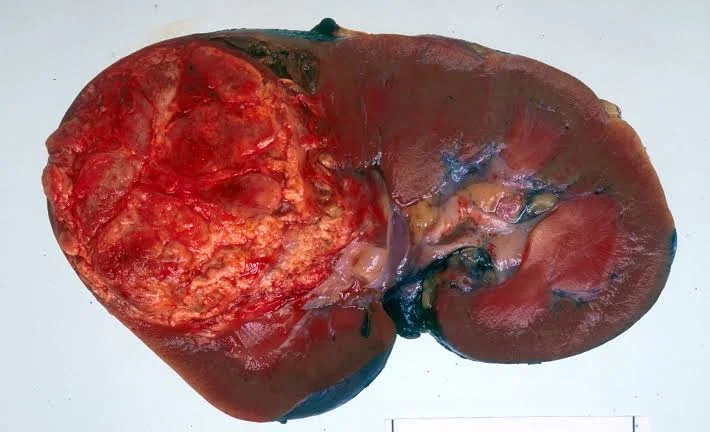
If you are searching for a kidney cancer specialist mumbai, receiving an accurate diagnosis and understanding all available treatment options are important first steps. Kidney cancer can range from a localized tumor that may be treated surgically to advanced disease requiring a combination of surgery, targeted therapy, immunotherapy, and multidisciplinary care. Dr. Vivek Venkat at Jewel Urology Center is a fellowship-trained uro-oncologist and robotic urologist who provides specialized evaluation and individualized treatment planning for patients with kidney cancer, including complex and advanced disease.
Understanding Kidney Cancer
Kidney cancer develops when abnormal cells in the kidney grow uncontrollably and form a tumor. In some patients, the disease remains confined to the kidney, while in others it may spread to nearby lymph nodes or distant organs.
Advanced or metastatic kidney cancer, also called Stage 4 kidney cancer, occurs when cancer has spread beyond the kidney to areas such as the lungs, bones, liver, or non-regional lymph nodes. Treatment depends on the stage, tumor characteristics, overall health, symptoms, and whether the cancer has responded to previous treatment.
Early evaluation is important because treatment options and surgical approaches can differ significantly between localized and advanced kidney cancer.
Symptoms of Kidney Cancer
Kidney cancer does not always produce symptoms in its early stages and may sometimes be discovered incidentally during imaging for another medical condition. When symptoms occur, they can include:
- Blood in the urine
- Persistent pain in the side or back
- An abdominal lump or swelling
- Unexplained weight loss
- Reduced appetite
- Persistent tiredness or weakness
- Fever without an obvious cause
In advanced disease, symptoms can depend on where the cancer has spread. Bone involvement may cause bone pain, while lung involvement may result in cough or breathing-related symptoms. Liver involvement can sometimes cause jaundice.
Any unexplained blood in the urine, persistent flank pain, or other concerning symptoms should be evaluated by a qualified urologist or uro-oncologist.
How Is Kidney Cancer Diagnosed?
A kidney tumor is usually evaluated through imaging studies and laboratory investigations. Depending on the individual situation, a doctor may recommend ultrasound, CT scans, MRI, blood tests, and other investigations to understand the size, location, and characteristics of a kidney mass.
When kidney cancer has potentially spread, staging becomes particularly important. A biopsy may be recommended in selected patients to determine the type of cancer, especially when the kidney or tumor has not already been removed. The advanced kidney cancer treatment information notes that biopsy may be performed under CT guidance in appropriate cases.
Accurate staging helps the treatment team determine whether surgery, systemic treatment, or a combination of approaches is most appropriate.
Treatment Options for Kidney Cancer
Treatment depends on whether the cancer is localized, locally advanced, or metastatic.
Partial Nephrectomy
For selected localized kidney tumors, partial nephrectomy may be performed. This kidney-sparing procedure removes the tumor while preserving as much healthy kidney tissue as possible.
Preserving functioning kidney tissue can be particularly valuable for patients who have a single kidney, tumors in both kidneys, or other factors that make maintaining kidney function especially important.
Radical Nephrectomy
When a tumor is large, centrally located, or unsuitable for kidney-sparing surgery, removal of the affected kidney may be recommended. This procedure is known as radical nephrectomy.
The choice between partial and radical nephrectomy depends on tumor characteristics, kidney function, anatomy, and the patient’s overall health.
Robotic Kidney Cancer Surgery
Robotic surgery is an important advancement in minimally invasive urology. It allows the surgeon to operate through small incisions using enhanced visualization and precise instrument control.
Dr. Vivek Venkat specializes in robotic surgery and kidney cancer treatment. His practice includes nephron-sparing surgery and radical nephrectomy, depending on the patient’s condition and treatment requirements.
Treatment for Advanced Kidney Cancer
Advanced kidney cancer often requires a broader treatment strategy than localized disease. Modern treatment may combine systemic medications with carefully selected surgery and supportive care.
Targeted Therapy
Targeted therapies are medications designed to interfere with specific pathways involved in cancer growth. They have significantly expanded treatment options for patients with advanced kidney cancer.
Immunotherapy
Immunotherapy works by stimulating or enhancing the body’s immune response against cancer cells. It has become an important treatment option for advanced kidney cancer and may be used alone or in combination with other treatments depending on the patient’s disease characteristics.
Surgery in Metastatic Disease
A diagnosis of metastatic kidney cancer does not automatically mean that surgery has no role. In carefully selected patients, surgery may be considered to reduce tumor burden, control symptoms, manage complications, or potentially improve the effectiveness of systemic treatment.
The decision requires careful assessment of the extent of metastatic disease, response to systemic therapy, overall health, and individual treatment goals. A multidisciplinary evaluation is essential before surgery is recommended.
Radiation Therapy
Radiation is generally used for specific purposes rather than as the primary treatment for kidney cancer. In advanced disease, it may be used to control symptoms, particularly pain caused by bone metastases.
Why Choose Dr. Vivek Venkat?
Dr. Vivek Venkat is a Consultant Uro-Oncologist and Robotic Urologist with more than 15 years of experience in complex urological procedures, robotic surgery, laser treatments, and comprehensive kidney care. He completed advanced fellowship training in Uro-Oncology and Robotic Surgery at the University of Miami Miller School of Medicine, USA, and served as a Clinical Instructor in Urologic Oncology and Robotic Surgery at the University of Miami Hospital.
His qualifications include an M.Ch. in Urology from Christian Medical College, Vellore, an M.S. in General Surgery from K.E.M. Hospital, Mumbai, and ECFMG certification in the USA. He has also served as an Assistant Professor of Urology and Renal Transplantation at CMC Vellore.
His clinical expertise includes kidney cancer, prostate cancer, bladder cancer, robotic surgery, minimally invasive urology, and complex urological procedures. The advanced kidney cancer treatment page specifically highlights his experience in advanced, metastatic, and Stage 4 kidney cancer management.
A Patient-Focused Approach to Cancer Care
A kidney cancer diagnosis can be emotionally difficult for both patients and their families. Treatment decisions may involve multiple options, and understanding the potential benefits and limitations of each approach is important.
Dr. Venkat’s practice emphasizes evidence-based treatment planning, precision, safety, personalized attention, and comprehensive follow-up. His website highlights a patient-first approach, thorough consultation, and complete post-surgical follow-up care.
Advanced kidney cancer may require collaboration between a uro-oncologist, medical oncologist, radiation oncologist, radiologist, and other specialists. This multidisciplinary approach can help ensure that treatment decisions address both cancer control and quality of life.
What Can Patients Expect During Follow-Up?
Follow-up is an important part of kidney cancer care, particularly for patients receiving treatment for advanced disease. Depending on the treatment plan, follow-up may involve clinical assessment, blood tests, kidney and liver function tests, and repeat imaging.
The advanced kidney cancer treatment guidance notes that clinical assessment and symptom review may occur every two to three months, with additional imaging when there are signs of disease progression or when clinically indicated.
Patients should also discuss medication side effects promptly. Targeted therapies and immunotherapies can cause different adverse effects, and regular monitoring allows the medical team to respond appropriately.
Can Advanced Kidney Cancer Be Managed?
Advanced kidney cancer can be challenging, but treatment options have expanded considerably. Newer targeted therapies, immunotherapy, improved imaging, and carefully selected surgical interventions have changed the management of metastatic disease.
While Stage 4 kidney cancer is generally considered incurable, some patients can experience prolonged disease control and maintain a meaningful quality of life with appropriate treatment. Individual outcomes vary, so treatment decisions should be based on the patient’s disease characteristics, overall health, and response to therapy.
For patients looking for a Robotic Adrenalectomy Surgery in Mumbai provider, Dr. Venkat’s broader robotic urology expertise also includes robotic procedures involving the adrenal gland, alongside his kidney and uro-oncology practice.
Book a Consultation with Dr. Vivek Venkat
If you have been diagnosed with a kidney mass, kidney cancer, metastatic disease, or have been advised to consider kidney surgery, a specialist consultation can help you understand your diagnosis and treatment options.

 appointments@drvivekvenkat.com
 Jewel Urology Center
Take the next step toward specialized kidney cancer care. To schedule a consultation with Dr. Vivek Venkat at Jewel Urology Center and discuss your diagnosis, treatment options, need for a second opinion, or suitability for advanced robotic and minimally invasive treatment.
Frequently Asked Questions
1. Who should I consult for kidney cancer?
A urologic oncologist or uro-oncologist is a specialist in cancers affecting the urinary system, including kidney cancer. Advanced cases may require coordination with medical and radiation oncology specialists as part of a multidisciplinary treatment plan.
2. Can kidney cancer be treated without removing the entire kidney?
Yes, selected localized kidney tumors can be treated with partial nephrectomy, which removes the tumor while preserving healthy kidney tissue. Whether this is possible depends on the tumor’s size, location, complexity, kidney function, and other individual factors.
3. Is robotic surgery an option for kidney cancer?
Robotic surgery may be appropriate for selected kidney cancer patients. It can be used for kidney-sparing partial nephrectomy as well as radical nephrectomy, depending on the tumor and patient’s clinical circumstances. Dr. Vivek Venkat specializes in robotic and minimally invasive urological surgery.
4. Is Stage 4 kidney cancer treatable?
Yes. Although Stage 4 kidney cancer is generally considered incurable, modern treatment options include targeted therapy, immunotherapy, selected surgery, radiation for symptom control, and supportive care. Some patients can achieve prolonged disease control with individualized treatment.


Comments
Post a Comment