Laparoscopic Hysterectomy in Mumbai: Procedure, Benefits, Recovery & FAQs
A hysterectomy is a surgical procedure to remove the uterus and may be recommended for conditions such as fibroids, adenomyosis, endometriosis, abnormal uterine bleeding, uterine prolapse, or certain gynecological cancers. When appropriate, a minimally invasive approach can offer smaller incisions and potentially faster recovery than traditional open surgery. Patients considering laparoscopic hysterectomy in mumbai can benefit from a detailed consultation to understand whether laparoscopic surgery is suitable for their condition and overall health.
What Is a Laparoscopic Hysterectomy?
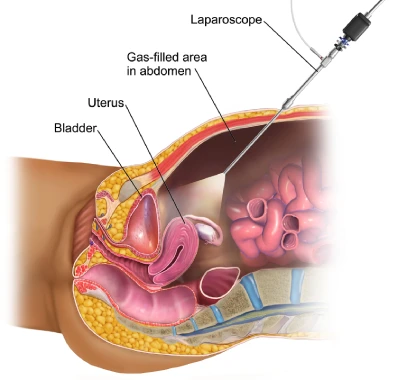
Laparoscopic hysterectomy is a minimally invasive procedure in which the uterus is removed through small abdominal incisions rather than through one large abdominal incision. A laparoscope—a thin instrument with a camera—is inserted through a small opening, allowing the surgeon to view the pelvic organs on a monitor.
Specialized surgical instruments are introduced through additional small incisions to carefully separate and remove the uterus. Depending on the patient’s condition, the surgeon may perform a total hysterectomy, which involves removal of the uterus and cervix, or another form of hysterectomy based on the clinical requirement.
The exact surgical technique is determined after evaluating the patient’s diagnosis, medical history, age, reproductive plans, previous surgeries, and overall health.
Why Is a Hysterectomy Recommended?
A hysterectomy may be recommended when symptoms are significant, persistent, or not adequately controlled through conservative treatment. Some common conditions associated with hysterectomy include:
- Uterine fibroids
- Adenomyosis
- Endometriosis
- Persistent abnormal uterine bleeding
- Chronic pelvic pain
- Uterine prolapse
- Certain precancerous conditions
- Gynecological cancers
Hysterectomy is not automatically the first treatment for these conditions. Depending on the diagnosis, alternatives such as medication, hormonal therapy, uterine artery embolization, endometrial procedures, or conservative surgery may be considered.
A gynecological specialist can explain the available options and help determine whether removing the uterus is appropriate.
Benefits of Laparoscopic Surgery
One of the major advantages of laparoscopic surgery is that it uses small incisions rather than the larger incision associated with conventional open abdominal surgery.
Potential benefits may include:
- Smaller surgical incisions
- Reduced abdominal wound size
- Less postoperative discomfort in appropriate cases
- Shorter hospital stay for many patients
- Earlier return to routine activities
- Smaller scars
- Better visualization of pelvic structures during surgery
However, minimally invasive surgery is not suitable for every patient. Large uterine size, extensive adhesions, advanced disease, previous abdominal surgeries, or certain cancers may influence the choice of surgical approach.
Laparoscopic Hysterectomy for Adenomyosis
Adenomyosis occurs when tissue similar to the uterine lining grows into the muscular wall of the uterus. It can cause heavy menstrual bleeding, painful periods, pelvic discomfort, and an enlarged uterus.
Treatment depends on the severity of symptoms and the patient’s reproductive plans. Medication and hormonal treatment may be considered for some women. For women who have completed their family and have persistent symptoms that do not respond adequately to conservative treatment, hysterectomy may be considered.
Women researching adenomyosis treatment in mumbai should receive an individualized evaluation because the appropriate treatment depends on symptoms, age, fertility goals, uterine findings, and previous treatment.
What Happens During the Procedure?
Before surgery, the patient undergoes a detailed medical evaluation. This may include a pelvic examination, ultrasound or other imaging, blood tests, and additional investigations depending on the diagnosis.
During laparoscopic surgery, the abdomen is accessed through small incisions. Carbon dioxide may be introduced into the abdomen to create working space. A camera provides a magnified view of the uterus and surrounding structures.
The surgeon carefully separates the uterus from surrounding tissues and blood vessels. Depending on the planned procedure, the uterus may then be removed through the vagina or through a specialized minimally invasive technique.
The surgical approach varies from patient to patient, particularly when conditions such as endometriosis, fibroids, adhesions, or suspected malignancy are present.
Recovery After Laparoscopic Hysterectomy
Recovery after laparoscopic hysterectomy generally depends on the patient’s health, the complexity of surgery, and whether additional procedures were performed.
Many patients are able to begin walking relatively soon after surgery. The medical team provides instructions regarding wound care, medication, physical activity, bathing, and follow-up.
Patients may experience temporary tiredness, mild abdominal discomfort, bloating, or changes in bowel habits during the early recovery period. Strenuous activity and heavy lifting are generally restricted until the surgeon confirms that adequate healing has occurred.
It is important to attend scheduled follow-up appointments and contact the healthcare team if there is heavy bleeding, fever, increasing pain, wound problems, breathing difficulty, or other concerning symptoms.
Why Choose Dr. Maitreyee Parulekar?
Dr. Maitreyee Parulekar is a gynecologist and gynecologic oncologist with advanced training in minimally invasive and robotic gynecological surgery. Her qualifications include MBBS and MS in Obstetrics and Gynecology from KEM Hospital, Mumbai, along with MRCOG from the United Kingdom and FMAS from MUHS. She has also received advanced fellowship training in gynecologic oncology and robotic surgery.
Her international academic exposure includes training and observerships in minimally invasive gynecology and robotic surgery, including experience associated with Seoul National University Hospital and institutions in Toronto. Her clinical interests include advanced laparoscopic and robotic surgery, gynecologic oncology, fertility-preserving procedures, and complex gynecological conditions.
Dr. Parulekar has also received academic recognition, including a University Gold Medal during her medical education. Her specialized training and experience allow her to approach complex gynecological conditions with attention to both surgical precision and patient-specific treatment planning.
For women looking for a Top Gynae Oncologist In Mumbai, a consultation can help determine the most suitable surgical or non-surgical approach based on the underlying condition.
Advanced Gynecological Care at Kirit Nursing Home
Dr. Maitreyee Parulekar consults at Kirit Nursing Home in Vile Parle East, Mumbai. The clinic provides a professional setting for gynecological consultations, diagnostic evaluation, treatment planning, and postoperative follow-up.
Her clinical approach emphasizes individualized treatment. Rather than recommending the same procedure for every patient, treatment decisions are based on the patient’s diagnosis, symptoms, age, reproductive goals, medical history, and surgical requirements.
Patients searching for a Robotic Gynecologist In Vile Parle, Mumbai can discuss minimally invasive and robotic treatment options with Dr. Parulekar when these approaches are clinically appropriate.
Is Laparoscopic Hysterectomy Right for You?
The decision to undergo hysterectomy should be made only after understanding the diagnosis and available alternatives. A woman who has completed her family and has persistent symptoms from fibroids, adenomyosis, endometriosis, abnormal bleeding, or other uterine conditions may be a potential candidate.
At the same time, hysterectomy permanently ends the ability to become pregnant, so fertility plans are an important part of the consultation. Depending on the condition, uterus-preserving treatment may be possible.
A detailed consultation allows the doctor to explain the expected benefits, possible risks, alternatives, recovery period, and long-term implications before surgery.
Schedule Your Consultation Today
If you have been advised to consider hysterectomy or are experiencing persistent gynecological symptoms, a specialist consultation can help you understand your diagnosis and treatment choices.
For patients considering laparoscopic hysterectomy in mumbai, Dr. Maitreyee Parulekar provides gynecological evaluation and minimally invasive surgical expertise at Kirit Nursing Home, Vile Parle.
Call: +91 72087 27500
Email: info@drmaitreyeegynec.in
 Get directions to Kirit Nursing Home
Schedule your consultation with Dr. Maitreyee Parulekar today to discuss your symptoms, diagnosis, and whether minimally invasive gynecological surgery is appropriate for you.
Frequently Asked Questions
1. What conditions can require a laparoscopic hysterectomy?
A laparoscopic hysterectomy may be considered for conditions such as fibroids, adenomyosis, endometriosis, abnormal uterine bleeding, uterine prolapse, and selected gynecological cancers. The appropriate treatment depends on the individual diagnosis and medical history.
2. Is laparoscopic hysterectomy better than open surgery?
Laparoscopic surgery can offer advantages such as smaller incisions, reduced wound size, and potentially faster recovery in appropriately selected patients. However, open surgery may be safer or more appropriate in certain complex cases. The surgical approach should be determined by the treating specialist.
3. Can adenomyosis be treated without hysterectomy?
Yes. Depending on symptoms and fertility goals, adenomyosis may be managed using medications, hormonal treatments, pain management, or other conservative approaches. Hysterectomy may be considered for women with severe or persistent symptoms who do not desire future pregnancy.
4. How long does recovery take after laparoscopic hysterectomy?
Recovery varies depending on the patient’s health and the complexity of surgery. Many patients resume light daily activities relatively soon, while complete recovery can take several weeks. The surgeon provides individualized instructions regarding work, exercise, lifting, and sexual activity.


Comments
Post a Comment