Laryngeal Cancer Treatment in Mumbai: Expert Care by Dr. Shama Kovale
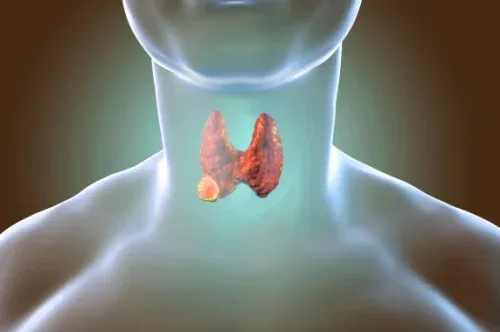
If you are searching for laryngeal cancer treatment in mumbai, early evaluation by an experienced ENT specialist is an important step towards accurate diagnosis and timely treatment. Laryngeal cancer affects the larynx, commonly known as the voice box, which plays a vital role in speaking, breathing, and swallowing. Dr. Shama S. Kovale, an experienced ENT surgeon at Kokilaben Dhirubhai Ambani Hospital and Medical Research Institute, Mumbai, provides specialised assessment and management of voice, throat, and laryngeal conditions, including the evaluation of suspicious vocal cord lesions.
What Is Laryngeal Cancer?
Laryngeal cancer develops when abnormal cells grow uncontrollably in the tissues of the larynx. The larynx is located in the neck and contains the vocal cords, which vibrate to produce sound. It also helps protect the airway during swallowing.
Depending on where the cancer develops, it may affect the vocal cords, the area above them, or the area below them. Symptoms and treatment options can vary according to the tumour’s location, size, and stage.
Common risk factors include tobacco use, heavy alcohol consumption, increasing age, and certain occupational exposures. Having a risk factor does not necessarily mean someone will develop cancer, and laryngeal cancer can also occur in people without these recognised risk factors.
Early Warning Signs of Laryngeal Cancer
Recognising persistent symptoms and seeking medical assessment can help identify potentially serious conditions earlier.
Watch for the following warning signs:
- Persistent hoarseness: A voice that remains rough, weak, or unusually breathy.
- Difficulty swallowing: Pain or discomfort when swallowing food or liquids.
- Persistent throat discomfort: A sore throat that does not improve as expected.
- Pain referred to the ear: Unexplained ear pain, particularly when accompanied by throat symptoms.
- A lump in the neck: Swelling that may indicate enlarged lymph nodes or another condition.
- Breathing difficulties: Noisy breathing or a sensation of airway obstruction.
These symptoms do not automatically indicate cancer. However, persistent hoarseness, particularly lasting more than three weeks without an obvious cause, warrants medical assessment. Breathing difficulty or rapidly worsening airway symptoms require emergency care.
Why Choose Dr. Shama Kovale for Laryngeal Evaluation?
Dr. Shama S. Kovale is a senior consultant ENT surgeon with over 23 years of clinical and surgical experience. She practises at Kokilaben Dhirubhai Ambani Hospital and Medical Research Institute in Andheri West, Mumbai.
Her qualifications include MBBS, Diploma in Otorhinolaryngology (DLO), and MS in ENT from B.Y.L. Nair Hospital and Topiwala National Medical College, Mumbai. Her additional training includes a fellowship in phonosurgery at Bombay Hospital, cochlear implant surgery training at P.D. Hinduja Hospital, and specialised training in voice and swallowing disorders at the University of California, Davis, USA.
Dr. Kovale’s expertise includes laryngology, voice and swallowing disorders, airway conditions, and endoscopic ENT procedures. Her experience with vocal cord disorders and laryngeal surgery is relevant when assessing persistent voice changes and suspicious lesions.
Patients searching for the Best ENT in Mumbai should consider a doctor’s qualifications, relevant clinical experience, diagnostic capabilities, and access to appropriate specialist services.
How Is Laryngeal Cancer Diagnosed?
Accurate diagnosis is essential before deciding on treatment. The assessment depends on symptoms, clinical examination, and the findings of appropriate investigations.
1. Clinical Examination
The ENT specialist reviews the patient’s symptoms, medical history, tobacco and alcohol exposure, and any changes in voice or swallowing. The neck may also be examined for enlarged lymph nodes or unusual swelling.
2. Video Laryngoscopy
A flexible or rigid scope may be used to examine the larynx and vocal cords. This allows the specialist to identify abnormalities, lesions, inflammation, or changes in vocal cord movement.
3. Narrow Band Imaging
Narrow Band Imaging (NBI), when available and clinically appropriate, can help highlight changes in the surface blood vessels of the throat lining. It may assist in identifying suspicious areas that need further investigation, but it cannot confirm cancer on its own.
4. Biopsy
A biopsy involves collecting a small tissue sample from a suspicious area for laboratory examination. Histopathological analysis is generally required to confirm whether a lesion is cancerous.
5. Imaging and Cancer Staging
CT, MRI, or PET-CT scans may be recommended depending on the suspected extent of disease. These investigations help evaluate the tumour, surrounding structures, and possible spread to lymph nodes or other sites.
The diagnostic process is individualised, and not every patient needs every investigation.
Treatment Options for Laryngeal Cancer
Treatment depends on the cancer’s stage, exact location, vocal cord function, overall health, and the patient’s preferences. Care may involve an ENT surgeon, head and neck cancer specialists, radiation oncologists, medical oncologists, speech and swallowing therapists, and other professionals.
Laser-Assisted Surgery
Selected early-stage laryngeal cancers may be treated using transoral laser microsurgery. The surgeon accesses the lesion through the mouth and removes the affected tissue with specialised instruments.
In appropriate cases, this approach can preserve the external structure of the larynx and help maintain voice function. The expected voice outcome depends on the tumour’s extent and the amount of tissue that must be removed.
Radiation Therapy
Radiation therapy uses carefully planned radiation to destroy cancer cells. It may be considered for selected early-stage cancers or used in combination with other treatments for more advanced disease.
Possible side effects include throat soreness, swallowing discomfort, dryness, and voice changes. The medical team explains the anticipated benefits and risks before treatment begins.
Surgery for More Advanced Disease
Larger or more extensive tumours may require more complex surgery, sometimes including partial or total removal of the larynx. The appropriate procedure depends on the cancer’s extent and whether the larynx can be safely preserved.
If the entire larynx must be removed, the patient will breathe through a permanent opening in the neck called a stoma. Speech rehabilitation and alternative communication methods can help patients adapt after surgery.
Chemotherapy and Combined Treatment
For selected advanced cancers, chemotherapy may be combined with radiation therapy or used alongside other treatments. The treatment plan is determined by the cancer stage, tumour characteristics, and the patient’s overall condition.
Recovery, Voice Care, and Follow-Up
Recovery varies according to the treatment received. Patients undergoing limited endoscopic surgery may have a different recovery experience from those receiving radiation, chemotherapy, or extensive surgery.
Follow-up appointments help monitor healing, assess voice and swallowing function, and detect possible recurrence. Speech and swallowing therapy may be recommended to support rehabilitation and improve everyday communication.
Patients should follow medical advice about hydration, nutrition, voice use, medication, and activity during recovery. New or worsening symptoms should be reported promptly.
At Kokilaben Dhirubhai Ambani Hospital, patients can discuss their diagnostic and treatment needs with Dr. Kovale and the appropriate multidisciplinary team.
Schedule Your Consultation Today
Persistent hoarseness, difficulty swallowing, or unexplained throat discomfort should not be ignored. Timely evaluation can help identify the cause and determine whether further investigations or specialist treatment are required.
Consult Dr. Shama Kovale at Kokilaben Dhirubhai Ambani Hospital for timely evaluation and expert hearing care.
Give Us a Ring: +91-91528 50769
Email: drshamakovaleent@gmail.com
Contact the clinic to enquire about an appointment and discuss your symptoms with the medical team.
Frequently Asked Questions
1. What are the early symptoms of laryngeal cancer?
Early symptoms may include persistent hoarseness, changes in voice quality, throat discomfort, difficulty swallowing, or unexplained ear pain. These symptoms can have other causes, so a medical assessment is important if they persist.
2. How is laryngeal cancer confirmed?
A specialist may examine the larynx using laryngoscopy and recommend a biopsy of any suspicious lesion. The tissue sample is examined in a laboratory to establish the diagnosis. Imaging may be required to determine the extent of the disease.
3. Can laryngeal cancer treatment preserve the voice?
Voice preservation may be possible in selected cases, particularly when cancer is diagnosed at an early stage. Laser surgery or radiation therapy may be appropriate, depending on the tumour. More advanced cancers may require extensive surgery, and voice outcomes vary between patients.
4. How can I consult Dr. Shama Kovale in Mumbai?
You can call +91-91528 50769 or email drshamakovaleent@gmail.com to enquire about an appointment at Kokilaben Dhirubhai Ambani Hospital and Medical Research Institute, Andheri West, Mumbai.


Comments
Post a Comment