Menopause Treatment in Mumbai: Expert Care with Dr. Maitreyee Parulekar
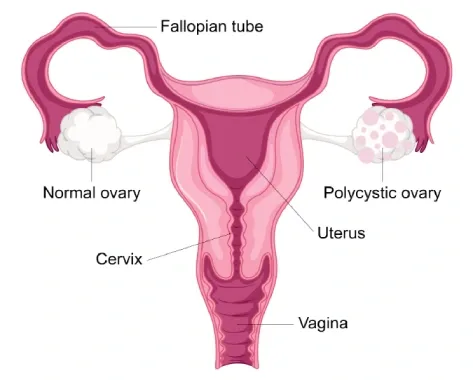
Menopause is a natural stage of life that marks the end of menstrual periods and the reproductive years. It commonly occurs between the ages of 45 and 55, although the timing varies. Changes in hormone levels can cause symptoms such as hot flashes, night sweats, irregular periods, sleep disturbances, mood changes, vaginal dryness, and reduced bone density. For some women, these changes are mild, while others experience symptoms that affect their daily routines, relationships, and overall quality of life.
Seeking menopause treatment in mumbai can help women understand these changes and explore ways to manage symptoms safely. At Kirit Nursing Home, Dr. Maitreyee Parulekar provides gynaecological care and can help patients discuss their symptoms, medical history, and treatment options to develop an individualised plan.
What Is Menopause?
Menopause is generally diagnosed after a woman has gone 12 consecutive months without a menstrual period, provided another medical cause does not explain the absence of periods. The transition leading up to menopause is called perimenopause. During this stage, hormone levels fluctuate and menstrual cycles may become irregular.
After menopause, the body produces lower levels of oestrogen and progesterone. These changes can affect temperature regulation, vaginal and urinary tissues, sleep, mood, and bone health. Menopause itself is not a disease, but persistent or troublesome symptoms may benefit from medical evaluation and treatment.
If periods stop before age 45, particularly before age 40, a medical assessment is important to identify possible early menopause or other causes.
Common Symptoms of Menopause
Symptoms differ from person to person, and not every woman experiences all of them. Common symptoms include:
- Hot flashes and night sweats: Sudden feelings of heat, flushing, and sweating that may interrupt sleep.
- Irregular periods: Menstrual cycles may become shorter, longer, lighter, or heavier during perimenopause.
- Sleep difficulties: Night sweats and hormonal changes may contribute to poor sleep or frequent waking.
- Mood changes: Some women experience irritability, anxiety, low mood, or difficulty concentrating.
- Vaginal dryness and discomfort: Lower oestrogen levels can cause dryness, irritation, discomfort during intercourse, and urinary symptoms.
- Changes in bone health: Reduced oestrogen levels contribute to bone loss and can increase osteoporosis risk over time.
- Changes in sexual wellbeing: Vaginal discomfort, sleep changes, and shifts in desire may affect intimacy.
Heavy bleeding, bleeding after menopause, persistent pelvic pain, or unexplained weight loss should not automatically be attributed to menopause. These symptoms require prompt medical assessment.
What Happens During a Menopause Consultation?
A menopause consultation begins with a discussion of symptoms, menstrual history, age, medical conditions, medications, family history, and personal treatment preferences. The doctor may ask how symptoms affect sleep, work, emotional wellbeing, and daily activities.
For women over 45 with typical symptoms, menopause can often be identified clinically without routine hormone tests. Testing may be appropriate when symptoms are unusual, menopause occurs earlier than expected, or another condition needs to be ruled out.
Depending on the symptoms and medical history, the doctor may recommend an examination or investigations such as blood tests, thyroid testing, bone-density assessment, or other evaluations when clinically indicated. Not every patient needs every test.
Menopause Treatment Options
Treatment depends on symptom severity, medical history, age, and individual preferences. The aim is to improve quality of life while considering potential benefits and risks.
1. Menopausal Hormone Therapy
Menopausal hormone therapy (MHT), also called hormone replacement therapy (HRT), can be effective for troublesome hot flashes and night sweats. It may also help prevent bone loss in suitable patients.
Treatment may involve oestrogen alone for women who have had a hysterectomy, or oestrogen combined with a progestogen for women who still have a uterus. The route, dose, and duration should be selected individually after reviewing personal risk factors and preferences.
Hormone therapy is not suitable for everyone. A history of certain cancers, unexplained vaginal bleeding, blood clots, stroke, or liver disease may affect whether it can be used. A clinician should assess these factors before prescribing treatment and review the plan periodically.
2. Non-Hormonal Medication
Women who cannot take hormone therapy or prefer not to use it may have other options. Certain prescription medicines can help manage hot flashes and night sweats. The most suitable choice depends on symptoms, existing medications, and health history.
For vaginal or urinary symptoms, non-hormonal moisturisers and lubricants may help. Low-dose vaginal oestrogen or other prescription treatments may be considered for suitable patients after medical assessment.
3. Lifestyle and Daily Habits
Lifestyle changes may help some women manage symptoms and protect long-term health. Options include:
- Maintaining a regular sleep routine and a comfortable bedroom temperature.
- Identifying personal triggers for hot flashes, such as spicy food, alcohol, caffeine, or warm environments.
- Participating in regular physical activity, including weight-bearing and resistance exercises.
- Eating a balanced diet with adequate calcium and vitamin D.
- Avoiding smoking and limiting alcohol.
- Practising relaxation techniques or seeking support for stress, anxiety, or low mood.
These habits support general health but may not be enough on their own for severe symptoms.
4. Bone and Heart Health
The years around menopause are an important time to review blood pressure, cholesterol, physical activity, nutrition, and osteoporosis risk. A doctor can assess whether bone-density testing or additional preventive measures are appropriate based on age and individual risk factors.
Why Consult Dr. Maitreyee Parulekar?
Dr. Maitreyee Parulekar is a gynaecologist with specialist experience in women’s health and gynaecological oncology. Her professional profile describes qualifications including MBBS, MS in Obstetrics and Gynaecology, and advanced training in gynaecological oncology. Her areas of clinical interest include the assessment and management of gynaecological conditions, minimally invasive procedures, and robotic gynaecological surgery.
Women seeking a Robotic Gynecologist In Vile Parle, Mumbai can consult Dr. Parulekar for appropriate gynaecological evaluation and guidance. Her background as a Top Gynae Oncologist In Mumbai reflects her specialist focus on gynaecological conditions, including those that may require detailed investigation or multidisciplinary care. Menopause management, however, should be tailored to each patient’s symptoms and medical needs.
Kirit Nursing Home in Vile Parle East provides a clinical setting for consultations and gynaecological care. Patients can discuss concerns in a dedicated appointment, review potential treatment options, and understand the benefits, limitations, and follow-up requirements of the recommended approach.
When Should You Seek Medical Advice?
Consider scheduling an appointment if hot flashes, night sweats, mood changes, sleep problems, or vaginal symptoms are affecting your quality of life. Medical guidance is also important if symptoms occur unusually early or if you are unsure whether they are related to menopause.
Any bleeding after menopause should be evaluated by a healthcare professional. Do not start hormone medication or unverified supplements without discussing their safety and suitability with your doctor.
Book a Menopause Consultation with Dr. Maitreyee Parulekar
If menopause symptoms are affecting your sleep, comfort, or daily routine, professional guidance can help you understand the available options. Dr. Maitreyee Parulekar can assess your concerns and recommend an individualised care plan based on your health history and symptoms.
Call: +91 72087 27500
Email: info@drmaitreyeegynec.in
 Get directions to Kirit Nursing Home
Contact the clinic to schedule an appointment with Dr. Maitreyee Parulekar and discuss your menopause-related concerns.
Frequently Asked Questions
1. At what age does menopause usually begin?
Menopause most commonly occurs between ages 45 and 55. The timing varies, and symptoms may begin several years earlier during perimenopause.
2. Is hormone replacement therapy necessary for every woman?
No. Treatment depends on symptom severity, medical history, and personal preferences. Some women benefit from hormone therapy, while others manage symptoms with non-hormonal medication, lifestyle changes, or local treatments for vaginal symptoms.
3. Can menopause affect sleep and emotional wellbeing?
Yes. Night sweats, sleep disruption, and hormonal changes may contribute to fatigue, irritability, anxiety, or low mood. A clinician can help identify contributing factors and discuss suitable management options.
4. When should I consult a doctor about menopause symptoms?
Seek advice if symptoms interfere with daily life, occur unusually early, or cause concern. Any vaginal bleeding after menopause should be assessed by a healthcare professional rather than assumed to be a normal hormonal change.


Comments
Post a Comment