Minimally Invasive GI Surgery Mumbai: Advanced Care by Dr. Chintamani Godbole
Gastrointestinal conditions can affect the stomach, small intestine, colon, rectum, and other parts of the digestive system. While some conditions respond well to medicines and lifestyle changes, others may require surgery. Advances in surgical technology have made it possible to treat many gastrointestinal and colorectal conditions through minimally invasive techniques, which use smaller incisions than traditional open surgery.
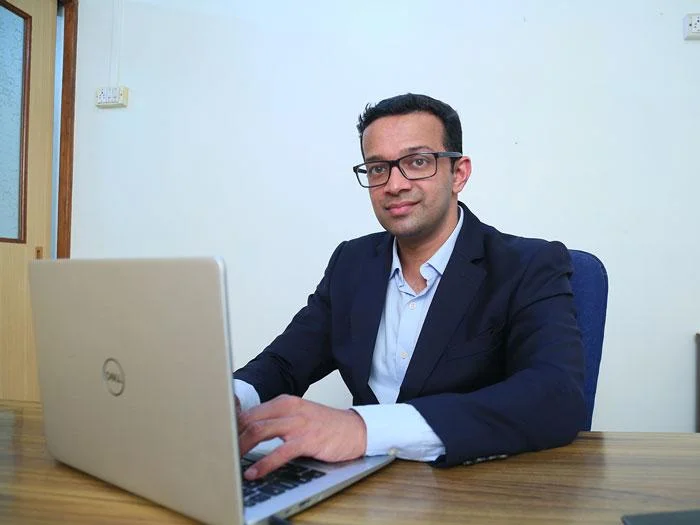
For patients considering minimally invasive gi surgery mumbai, Dr. Chintamani Godbole at Gadre Hospital provides specialized surgical care with expertise in laparoscopic and robotic colorectal procedures. His advanced training in minimally invasive colorectal surgery, combined with extensive experience in gastrointestinal and colorectal conditions, allows him to develop treatment plans according to each patient’s medical needs.
What Is Minimally Invasive GI Surgery?
Minimally invasive gastrointestinal surgery involves performing an operation through small incisions using specialized instruments and a camera. Unlike conventional open surgery, which may require a larger incision, laparoscopic and robotic procedures allow surgeons to access the affected area through smaller openings.
A tiny camera, known as a laparoscope, provides a magnified view of the surgical field. In robotic surgery, the surgeon controls specialized robotic instruments that can provide precise movement and enhanced visualization.
The choice between open, laparoscopic, and robotic surgery depends on the patient’s condition, anatomy, previous surgeries, disease severity, and overall health. Minimally invasive surgery is not automatically appropriate for every patient, so a specialist evaluation is essential.
Conditions That May Benefit From Minimally Invasive Surgery
Minimally invasive techniques can be used for several gastrointestinal and colorectal conditions when clinically appropriate.
These may include:
- Colorectal cancer
- Colon and rectal disorders
- Certain inflammatory bowel conditions
- Crohn’s disease
- Ulcerative colitis
- Selected benign colorectal conditions
- Gallbladder conditions
- Certain abdominal and gastrointestinal disorders
Dr. Godbole’s specialist practice focuses particularly on colorectal surgery, colorectal cancer, robotic and laparoscopic surgery, and peritoneal surface oncology. His expertise also includes cytoreductive surgery and HIPEC for selected advanced peritoneal cancers.
Laparoscopic vs Robotic Surgery
Both laparoscopic and robotic surgery are minimally invasive approaches, but the technologies differ.
In laparoscopic surgery, the surgeon operates using long, specialized instruments inserted through small incisions while viewing the surgical field on a monitor.
Robotic surgery uses a robotic surgical system controlled directly by the surgeon. The technology can provide enhanced visualization and precise instrument movements, which may be particularly useful in technically demanding procedures involving confined anatomical spaces.
The objective of either approach is not simply to use advanced technology but to achieve the best possible surgical outcome for the appropriate patient.
Potential Benefits of Minimally Invasive Surgery
When a minimally invasive approach is medically suitable, it may offer several advantages compared with conventional open surgery.
These can include:
Smaller Incisions
Laparoscopic and robotic procedures generally require smaller incisions, which may result in less visible scarring compared with traditional open surgery.
Reduced Tissue Trauma
Because the access points are smaller, there may be less disruption of surrounding tissues during the procedure.
Potentially Faster Recovery
Patients undergoing suitable minimally invasive procedures may experience a shorter recovery period and may return to routine activities sooner, although recovery varies according to the operation and individual health.
Less Postoperative Discomfort
Smaller surgical wounds may contribute to reduced postoperative pain for some patients.
Better Visualization
Advanced laparoscopic and robotic systems can provide surgeons with magnified visualization of the operating field, which can be valuable during complex procedures.
The actual benefits and risks vary according to the procedure, patient’s condition, and surgical approach selected.
Meet Dr. Chintamani Godbole
Dr. Chintamani Godbole is a Consultant in Colorectal Surgery and Peritoneal Surface Oncology with specialized expertise in gastrointestinal and colorectal surgery. His qualifications include MBBS and MS in General Surgery from Seth G. S. Medical College and KEM Hospital, Mumbai, followed by DNB in GI Surgery from Jaslok Hospital and Research Centre, Mumbai. He also holds FRCS from Edinburgh, UK.
Dr. Godbole underwent advanced colorectal surgical training in the United Kingdom, where he worked for five years. His fellowships included minimally invasive colorectal surgery with laparoscopic and robotic techniques, colorectal cancer surgery, peritoneal cytoreductive surgery, and HIPEC.
He also trained at the Basingstoke Peritoneal Malignancy Institute, a specialized centre for colorectal and peritoneal cancer surgery, and worked as a General and Colorectal Surgical Consultant at University Hospitals Coventry in the UK. He was awarded Membership of the Royal College of Surgeons of Edinburgh in 2018.
His professional work also includes research and publications in peer-reviewed journals, reflecting his continued involvement in surgical education and research.
Expertise in Robotic and Colorectal Surgery
Dr. Godbole’s expertise extends beyond routine gastrointestinal surgery. His specialist areas include robotic and laparoscopic surgery for colon and rectal cancer, sphincter-preserving rectal cancer surgery, colorectal cancer surgery, cytoreductive surgery, and HIPEC.
His website reports experience with more than 300 minimally invasive colorectal surgeries and more than 80 cytoreductive surgeries with HIPEC for advanced peritoneal cancers. He also has experience with advanced techniques such as trans-anal minimally invasive surgery for selected colon and rectal cancers.
This specialized background can be particularly valuable for patients who require complex colorectal treatment and need a surgical plan that considers both disease control and preservation of function wherever clinically possible.
A Patient-Focused Clinical Environment
Gastrointestinal surgery can be stressful for patients and their families. Understanding the diagnosis, available treatment options, expected recovery, and potential risks is an important part of surgical care.
Dr. Godbole’s practice focuses on individualized treatment planning and specialist colorectal care. His Gadre Hospital affiliations include established Mumbai institutions such as Jaslok Hospital, Sir H. N. Reliance Foundation Hospital, Breach Candy Hospital, and Wockhardt Hospitals.
His approach combines specialized surgical expertise with clear communication, helping patients understand their condition and the reasoning behind the recommended surgical strategy.
Why Choose a Colorectal Specialist?
Patients searching for a Colorectal Surgeon in Mumbai may benefit from consulting a specialist when their condition involves the colon, rectum, anus, or complex gastrointestinal disease.
Colorectal surgery requires detailed understanding of anatomy, cancer treatment, bowel function, and surgical reconstruction. A specialist can assess the condition and determine whether medication, endoscopic treatment, minimally invasive surgery, robotic surgery, or another approach is most appropriate.
For patients considering advanced surgery, selecting a surgeon with specific training in minimally invasive colorectal procedures can be an important part of the decision-making process.
When Should You Consult a GI Surgeon?
Not every digestive symptom requires surgery. However, persistent or concerning symptoms should be evaluated by an appropriate medical professional.
You may need specialist assessment if you experience:
- Persistent abdominal pain
- Blood in the stool
- Unexplained changes in bowel habits
- Persistent constipation or diarrhoea
- Unexplained weight loss
- Recurrent gastrointestinal problems
- Symptoms associated with colorectal disease
- A diagnosis requiring surgical treatment
- A colorectal tumour or cancer diagnosis
Early specialist evaluation can help establish the diagnosis and determine the most suitable treatment pathway.
Schedule a Consultation With Dr. Chintamani Godbole
If you have been diagnosed with a gastrointestinal or colorectal condition and are considering minimally invasive treatment, a specialist consultation can help you understand your surgical options.
Dr. Chintamani Godbole provides specialized colorectal and gastrointestinal surgical care with expertise in laparoscopic and robotic procedures, colorectal cancer surgery, and peritoneal surface oncology.
For patients searching for the Best Doctor for Gastroenterology in Mumbai, a consultation can provide an opportunity to discuss the diagnosis, treatment alternatives, expected recovery, and whether a minimally invasive approach is appropriate.
Schedule Your Consultation Today
Consult Dr. Chintamani Godbole at Gadre Hospital for specialized gastrointestinal and colorectal surgical evaluation.
Call: 81087 91470
Email: drchintamanigodbole@gmail.com
Get Directions to Gadre Hospital
Frequently Asked Questions
1. What is minimally invasive GI surgery?
Minimally invasive GI surgery uses small incisions and specialized instruments, including laparoscopic or robotic systems, to perform gastrointestinal procedures. The appropriate technique depends on the patient’s condition and surgical requirements.
2. Is robotic surgery better than traditional surgery?
Robotic surgery is not necessarily better for every patient. It is an advanced minimally invasive technique that may provide enhanced visualization and precise instrument control for selected procedures. The surgeon determines whether it is appropriate based on the patient’s condition.
3. What conditions can Dr. Chintamani Godbole treat with minimally invasive surgery?
Dr. Godbole specializes in colorectal surgery and has expertise in robotic and laparoscopic surgery for colorectal conditions, including selected colon and rectal cancers. His practice also includes surgery for inflammatory bowel disease and advanced peritoneal conditions.
4. How long does recovery take after minimally invasive GI surgery?
Recovery depends on the specific operation, the patient’s general health, and whether complications occur. Minimally invasive procedures may allow some patients to recover faster than after comparable open procedures, but the surgeon will provide individualized recovery guidance after evaluating the case.


Comments
Post a Comment