Peritoneal Surface Malignancy Treatment in Mumbai: Dr. Chintamani Godbole
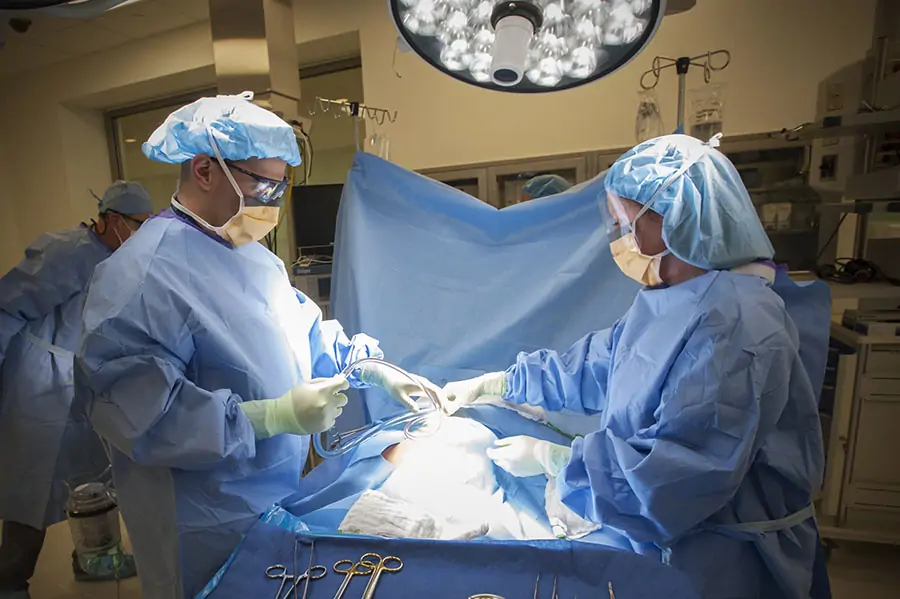
A diagnosis of cancer that has spread to the peritoneum—the thin membrane lining the abdominal cavity and covering many abdominal organs—can raise complex questions about treatment. Depending on the type of cancer, its extent and a patient’s overall health, care may involve systemic chemotherapy, surgery or a combination of specialised approaches.
For selected patients, cytoreductive surgery (CRS), sometimes combined with hyperthermic intraperitoneal chemotherapy (HIPEC), may be considered. These procedures require careful assessment and expertise in abdominal and peritoneal surface oncology.
Dr. Chintamani Godbole, a gastrointestinal and colorectal surgeon practising in Mumbai, has specialised training in cytoreductive surgery and HIPEC. At Gadre Hospital, Dadar East, patients can seek a consultation to discuss their diagnosis, available treatment options and whether specialist surgical assessment may be appropriate.
What Is Peritoneal Surface Malignancy?
Peritoneal surface malignancy refers to cancer involving the peritoneum. It may begin in abdominal or pelvic organs and spread to the peritoneal lining, or originate from certain tissues within the abdomen. The pattern and extent of disease differ from patient to patient.
Cancers that may involve the peritoneal surface include:
- Appendiceal cancer: Some tumours of the appendix can spread within the abdominal cavity.
- Pseudomyxoma peritonei: An uncommon condition, often associated with appendiceal tumours, in which mucin accumulates within the abdomen.
- Colorectal cancer: Cancer of the colon or rectum may spread to the peritoneum in some cases.
- Gastric cancer: Stomach cancer can sometimes involve the abdominal lining.
- Ovarian cancer: Certain ovarian cancers spread across the peritoneal surfaces.
- Peritoneal mesothelioma: A rare cancer arising from the cells of the peritoneal lining.
Symptoms may include abdominal swelling, discomfort, changes in bowel habits, reduced appetite, nausea or unexplained weight changes. These symptoms can have many causes and do not, on their own, confirm cancer. Anyone with persistent or concerning symptoms should seek medical assessment.
Understanding Cytoreductive Surgery (CRS)
Cytoreductive surgery is an operation designed to remove as much visible tumour as possible from the peritoneal surfaces and affected abdominal areas. Depending on where cancer deposits are found, surgery may involve removing the peritoneum containing tumour and, in selected cases, parts of affected organs or sections of the intestine.
The aim is to achieve the greatest possible removal of visible disease while considering safety and the patient’s quality of life. The procedure can be extensive and is not suitable for every patient with peritoneal cancer.
Before recommending surgery, the specialist team reviews imaging, biopsy or pathology results, previous treatments, general fitness and the distribution of disease. The expected benefit must be weighed against the risks and the likely recovery burden.
What Is HIPEC and How Does It Work?
HIPEC stands for hyperthermic intraperitoneal chemotherapy. It is a specialised treatment that may be delivered during the same operation as cytoreductive surgery for selected cancers.
The treatment generally involves two stages:
- Cytoreductive surgery: The surgeon removes visible tumour deposits that can be safely resected.
- Heated chemotherapy within the abdomen: A heated chemotherapy solution is circulated through the abdominal cavity for a planned period, aiming to treat microscopic cancer cells that may remain after surgery.
Unlike intravenous chemotherapy, HIPEC delivers chemotherapy directly within the abdominal cavity. It is not appropriate for every type or stage of cancer, and the choice of drugs, duration and overall treatment plan depends on the clinical situation and specialist protocol.
CRS and HIPEC are complex interventions. Their potential benefits vary according to cancer type, disease extent, completeness of tumour removal and the patient’s health. They should be discussed with a specialist multidisciplinary team, and outcomes cannot be guaranteed.
Who May Be Considered for CRS and HIPEC?
Eligibility is determined individually. Factors that may influence the decision include:
- The original cancer type and its biological characteristics.
- How extensively the peritoneum and abdominal organs are involved.
- Whether visible disease can be removed to a useful extent.
- Whether cancer has spread to distant sites.
- General health, nutrition, organ function and ability to tolerate major surgery.
- Previous surgery, chemotherapy and response to treatment.
Investigations may include CT or MRI scans, pathology review, blood tests and other assessments based on the suspected cancer. In some cases, further evaluation is needed to understand the extent of disease before a final decision is made.
Patients should ask their team about the goals of treatment, alternatives, possible complications, expected hospital stay and the likely impact on daily activities.
Meet Dr. Chintamani Godbole: Qualifications and Expertise
Dr. Chintamani Godbole is a specialist in colorectal surgery and peritoneal surface oncology. His qualifications include an MBBS and MS in General Surgery from Seth G.S. Medical College and KEM Hospital, Mumbai, followed by DNB training in Surgical Gastroenterology. He also holds MRCS and FRCS qualifications from the Royal College of Surgeons of Edinburgh.
He spent five years undertaking further colorectal surgery training in the United Kingdom. His fellowships included minimally invasive colorectal surgery, colorectal cancer surgery, peritoneal cytoreductive surgery and HIPEC. He also trained at the Basingstoke Peritoneal Malignancy Institute and has worked as a surgical consultant in the UK.
His clinical experience includes minimally invasive colorectal procedures and surgery for advanced peritoneal cancers. His professional profile reports experience performing more than 50 cytoreductive surgeries and HIPEC procedures for advanced peritoneal cancers. He is also involved in research and has publications in peer-reviewed journals.
Patients searching for a Colorectal Surgeon in Mumbai can consider a specialist’s relevant qualifications, experience with their particular diagnosis, multidisciplinary links and ability to explain complex decisions clearly. Dr. Godbole’s focus on colorectal surgery and peritoneal surface oncology is relevant for patients seeking assessment of these conditions.
Recovery, Risks and Follow-Up Care
CRS with HIPEC is major surgery, and recovery varies considerably. Hospitalisation may last a week or longer, depending on the extent of the operation and the patient’s progress. Fatigue, reduced appetite, discomfort and a gradual return to normal activity can continue after discharge.
Possible complications include bleeding, infection, blood clots, bowel leakage, fistula formation, nutritional difficulties and complications affecting other organs. HIPEC can also cause treatment-related side effects. The surgical and oncology teams should explain the risks relevant to the individual case and how complications would be managed.
Follow-up may include physical assessments, blood tests, imaging and further cancer treatment where recommended. Patients should follow their care team’s advice on wound care, nutrition, activity and when to seek urgent medical attention.
Seeking Specialist Assessment in Mumbai
A diagnosis involving the peritoneum can be challenging, and treatment decisions often require input from surgeons, medical oncologists, radiologists, pathologists and other specialists. A second opinion may help patients understand whether CRS, HIPEC, systemic therapy or another treatment approach is appropriate.
Those researching a Best Doctor for Gastroenterology in Mumbai should look for expertise that specifically matches their condition. For peritoneal surface malignancy, it is particularly important to ask about experience with the relevant cancer type and the role of multidisciplinary decision-making.
Book a Consultation with Dr. Chintamani Godbole
If you or a family member has been diagnosed with cancer involving the peritoneum, a specialist consultation can help clarify the diagnosis and available treatment options. For peritoneal surface malignancy treatment mumbai, contact Dr. Chintamani Godbole to discuss your reports, previous treatments and whether evaluation for cytoreductive surgery or HIPEC may be appropriate.
Call: 81087 91470
Email: drchintamanigodbole@gmail.com
Get Directions to Gadre Hospital
Contact Dr. Chintamani Godbole to arrange an appointment and discuss your diagnosis with a specialist in colorectal surgery and peritoneal surface oncology. Bring your scan reports, biopsy results, discharge summaries and details of previous treatments to help make the consultation as informative as possible.
Frequently Asked Questions
1. What is peritoneal surface malignancy treatment?
Treatment depends on the type of cancer, how far it has spread and the patient’s overall health. Options may include systemic chemotherapy, surgery or a combination of treatments. Selected patients may be considered for cytoreductive surgery with HIPEC after specialist assessment.
2. What is the difference between CRS and HIPEC?
Cytoreductive surgery (CRS) removes visible tumour deposits from the abdominal cavity. HIPEC involves circulating heated chemotherapy within the abdomen after surgery to treat some microscopic cancer cells that may remain. The combined approach is suitable only for selected patients.
3. Is cytoreductive surgery with HIPEC suitable for every patient?
No. Suitability depends on cancer type, disease distribution, whether the visible tumours can be removed, general health and other clinical factors. A multidisciplinary team evaluates potential benefits against the risks of this major operation.
4. How can I consult Dr. Chintamani Godbole in Mumbai?
You can call 81087 91470 or email drchintamanigodbole@gmail.com to enquire about an appointment at Gadre Hospital, Dadar East, Mumbai. Bring relevant medical records and confirm the appointment details before visiting.


Comments
Post a Comment