Prostate Cancer Surgery Mumbai: Treatment Options, Robotic Surgery & Recovery
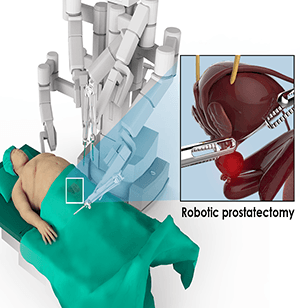
A diagnosis of prostate cancer can be stressful, but advances in urological oncology have made several effective treatment options available. Depending on the stage, grade, age, overall health, and personal preferences of the patient, treatment may include active surveillance, surgery, radiation therapy, hormone therapy, or a combination of approaches. For patients who require an operation, prostate cancer surgery mumbai can include advanced minimally invasive and robotic techniques designed to remove the cancer while carefully preserving surrounding structures.
What Is Prostate Cancer?
Prostate cancer develops when abnormal cells in the prostate gland grow uncontrollably. The prostate is a small gland located below the urinary bladder and surrounding part of the urethra. It plays an important role in the male reproductive system.
Some prostate cancers grow slowly and may never cause significant symptoms, while others can be more aggressive and spread beyond the prostate. Early diagnosis and appropriate staging are therefore important for determining the most suitable treatment.
Potential symptoms may include difficulty starting urination, weak urine flow, frequent urination, blood in the urine or semen, or discomfort during urination. However, early prostate cancer often causes no noticeable symptoms, which is why screening and medical evaluation can be important for appropriate individuals.
How Is Prostate Cancer Diagnosed?
The diagnostic process may involve several investigations depending on the patient’s symptoms, age, PSA level, family history, and clinical findings.
PSA Testing
A prostate-specific antigen (PSA) blood test measures the level of PSA in the bloodstream. An elevated PSA does not automatically mean cancer, as benign prostate enlargement and inflammation can also increase PSA.
Digital Rectal Examination
A digital rectal examination may help the doctor assess the prostate for abnormalities or areas of firmness.
MRI
Multiparametric MRI can provide detailed images of the prostate and help identify suspicious areas that may require further evaluation.
Prostate Biopsy
A biopsy is used to obtain prostate tissue for pathological examination. The biopsy helps establish whether cancer is present and provides information about its grade.
Cancer Staging
If prostate cancer is confirmed, additional imaging or investigations may be recommended to determine whether the cancer is confined to the prostate or has spread to nearby tissues or distant organs.
When Is Surgery Recommended?
Surgery is generally considered for selected patients whose prostate cancer is localized or locally advanced and who are fit enough to undergo an operation.
The decision depends on several factors, including:
- PSA level
- Gleason score or Grade Group
- Tumor stage
- Patient’s age
- General health
- Life expectancy
- Urinary function
- Sexual function
- Patient preferences
Not every patient with prostate cancer needs surgery. Low-risk cancers may sometimes be managed through active surveillance, while radiation or systemic treatment may be more appropriate in other situations.
A detailed consultation with a urologic oncologist can help patients understand the advantages and limitations of each option.
What Is Radical Prostatectomy?
Radical prostatectomy is a surgical procedure in which the prostate gland and seminal vesicles are removed to treat prostate cancer. Depending on the cancer’s location and stage, nearby lymph nodes may also be removed for staging and treatment.
The goal is to remove the cancer while preserving important structures around the prostate whenever it is oncologically safe to do so.
The surgeon may use an open, laparoscopic, or robotic approach. Robotic-assisted radical prostatectomy is a minimally invasive technique that can provide magnified visualization and precise instrument control.
Robotic-Assisted Prostate Cancer Surgery
Robotic prostate surgery has become an important option in modern urologic oncology. The robotic system does not independently perform the operation. Instead, the surgeon controls the robotic instruments from a console.
The technology can provide:
- Magnified three-dimensional visualization
- Precise instrument movement
- Greater dexterity in a confined anatomical space
- Small surgical incisions
- Potentially reduced blood loss
- Shorter hospital stays in appropriately selected patients
The suitability of robotic surgery depends on the patient’s cancer stage, previous surgical history, anatomy, overall health, and surgeon assessment.
Nerve-Sparing Prostate Surgery
One of the important considerations during radical prostatectomy is preservation of the nerves involved in erectile function.
When the cancer’s location and extent allow it, a nerve-sparing approach may be considered. The objective is to remove the cancer while preserving the neurovascular bundles alongside the prostate.
However, nerve preservation is not appropriate in every patient. If cancer is close to or involving these structures, removing the affected tissue may be necessary to achieve effective cancer control.
Patients should discuss expectations regarding urinary continence and sexual function before surgery.
Recovery After Prostate Cancer Surgery
Recovery varies according to the surgical approach, overall health, and whether additional procedures are required.
After robotic-assisted surgery, patients are generally encouraged to begin walking early. A urinary catheter is typically kept temporarily while the connection between the bladder and urethra heals.
During recovery, patients may experience urinary leakage or urgency. Pelvic floor exercises may be recommended to support recovery of urinary control.
Sexual recovery can take longer and varies considerably between individuals. Factors such as age, preoperative erectile function, nerve-sparing feasibility, cancer stage, and overall health influence outcomes.
Regular follow-up is essential after prostate cancer surgery. PSA testing is generally used to monitor for evidence of recurrent disease.
Why Choose Dr. Vivek Venkat?
Dr. Vivek Venkat is a fellowship-trained Urologic Oncologist and Robotic Urologist with more than 15 years of experience in advanced urological and robotic surgery. He received specialized training in Urologic Oncology and Robotic Surgery at the University of Miami Miller School of Medicine in the United States and served as a Clinical Instructor at the University of Miami Hospital.
His qualifications include an M.Ch. in Urology from CMC Vellore and an M.S. in General Surgery from K.E.M. Hospital, Mumbai. He is also ECFMG certified and has advanced experience in minimally invasive urology and uro-oncology.
His clinical expertise includes robotic prostate surgery, kidney cancer surgery, bladder cancer treatment, prostate cancer management, laser urological procedures, and complex minimally invasive urology. His international training and experience in academic and clinical settings have contributed to his focus on precision-based urological cancer care.
Patients searching for a Best Uro Surgeon in Mumbai can consult Dr. Venkat to understand their diagnosis, cancer stage, treatment alternatives, and suitability for robotic surgery.
Patient-Focused Care at Jewel Urology Center
Dr. Vivek Venkat consults at Jewel Urology Center, located at Jewel Hospital in Vile Parle West, Mumbai. The center provides a dedicated environment for urological consultations, diagnosis, treatment planning, and follow-up.
His approach emphasizes understanding each patient’s condition before recommending treatment. Prostate cancer management is individualized because cancer stage, PSA, pathology, age, general health, and personal priorities can all influence the recommended treatment.
Patients interested in advanced robotic treatment can discuss whether minimally invasive surgery is suitable after reviewing their diagnostic reports and imaging.
The center’s services complement Dr. Venkat’s broader practice in robotic and minimally invasive urology. His expertise also includes Robotic Adrenalectomy Surgery in Mumbai, reflecting his focus on advanced robotic procedures involving the urinary and endocrine systems.
What Should Patients Ask Before Surgery?
Before deciding on prostate cancer surgery, patients may want to discuss:
- What is the cancer stage and Grade Group?
- Is the cancer confined to the prostate?
- Are there alternatives to surgery?
- Is robotic surgery appropriate?
- Can nerve-sparing surgery be performed?
- What are the expected urinary outcomes?
- What is the potential impact on sexual function?
- How long will recovery take?
- What follow-up will be required?
- What happens if PSA rises after surgery?
Having these questions answered can help patients make informed decisions about their treatment.
Schedule Your Consultation Today
Choosing treatment for prostate cancer is an important decision that should be based on accurate diagnosis, cancer staging, individual health, and personal priorities.
If you are considering prostate cancer surgery mumbai, Dr. Vivek Venkat can evaluate your diagnosis and discuss whether robotic-assisted radical prostatectomy or another treatment option is appropriate for you.
 09136041545
 appointments@drvivekvenkat.com

Book your consultation with Dr. Vivek Venkat today to discuss your prostate cancer diagnosis, treatment options, and suitability for advanced robotic urological surgery.
Frequently Asked Questions
1. Is surgery always necessary for prostate cancer?
No. Treatment depends on the cancer’s risk category, stage, patient’s age, health, and preferences. Active surveillance, radiation therapy, hormone therapy, surgery, or combinations of treatments may be considered.
2. What is robotic radical prostatectomy?
Robotic radical prostatectomy is a minimally invasive operation in which the prostate and seminal vesicles are removed using robotic instruments controlled by the surgeon. Nearby lymph nodes may also be removed when clinically indicated.
3. Can robotic prostate surgery preserve erectile function?
In selected patients, nerve-sparing surgery may help preserve the nerves responsible for erections. However, nerve preservation depends on the location and extent of the cancer and cannot be guaranteed. Recovery of sexual function also varies between individuals.
4. How is prostate cancer monitored after surgery?
PSA testing is an important part of follow-up after radical prostatectomy. Your urologic oncologist will establish an individualized follow-up schedule and may recommend additional evaluation if PSA levels become concerning.


Comments
Post a Comment