Rhinoplasty Surgery in Mumbai: Dr. Amiti Shah at Shah Superspeciality Clinic
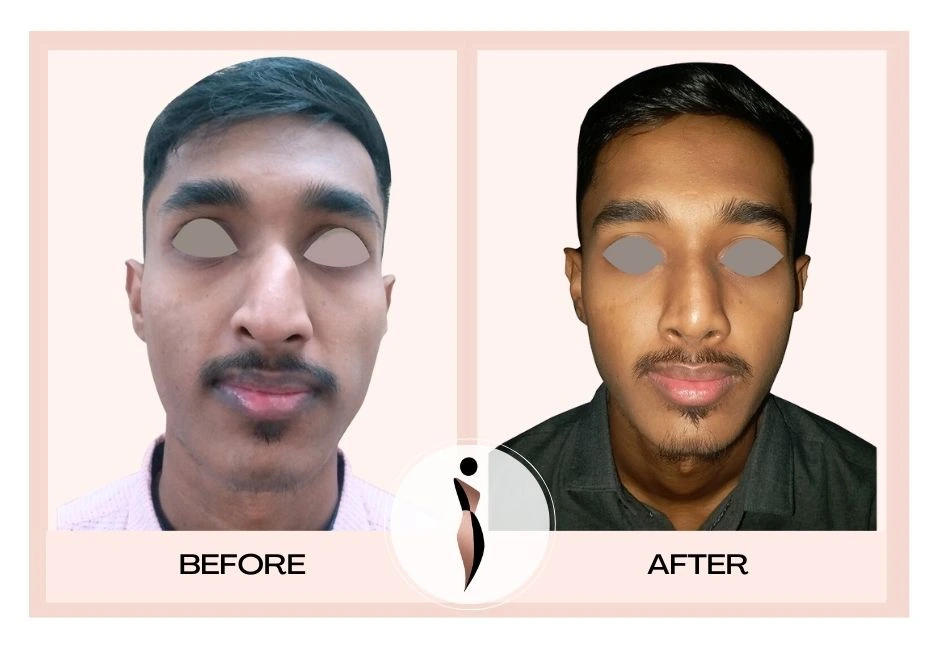
The shape and structure of the nose can influence facial balance and, in some cases, breathing. People may consider nose surgery to address a prominent nasal hump, a broad or bulbous tip, asymmetry, a crooked nose or structural problems that affect airflow. Rhinoplasty is a specialised surgical procedure that can address selected concerns after a thorough medical assessment.
At Shah Superspeciality Clinic in Gamdevi, South Mumbai, Dr. Amiti Shah provides consultations for patients exploring cosmetic and reconstructive procedures, including rhinoplasty. Her approach focuses on understanding the patient’s concerns, discussing realistic expectations and explaining the possible benefits, limitations and risks of surgery.
What Is Rhinoplasty?
Rhinoplasty, often called a nose job, is surgery that changes the shape, size or structure of the nose. Depending on the patient’s needs, it may be performed for aesthetic reasons, functional concerns or a combination of both.
The procedure may help address:
- A prominent hump or depression along the nasal bridge.
- A wide, rounded or bulbous nasal tip.
- A nose that appears crooked or asymmetrical.
- Nostrils that appear wider than desired.
- Structural concerns contributing to nasal obstruction.
When a deviated nasal septum affects breathing, a surgeon may recommend septoplasty alongside rhinoplasty. This combined procedure is often called septorhinoplasty. Not every breathing problem can be corrected through rhinoplasty, so assessment of the nasal structures and symptoms is essential.
Who May Consider Rhinoplasty?
Rhinoplasty may be appropriate for adults who are concerned about the appearance or structure of their nose and have realistic expectations about what surgery can achieve. Candidates should be in suitable general health and understand the recovery process, potential complications and possibility that the final result may differ from their initial expectations.
During a consultation, the surgeon reviews medical history, previous nasal injuries or surgeries, breathing symptoms and aesthetic goals. Facial proportions, skin thickness, cartilage and bone structure are also considered when planning surgery.
Rhinoplasty is not a one-size-fits-all procedure. A technique that suits one person’s nose may not be appropriate for another. The aim is to develop a plan that considers the patient’s anatomy, concerns and overall facial balance rather than copying a particular nose shape.
Types of Rhinoplasty: Open and Closed Techniques
Two commonly used approaches are open and closed rhinoplasty. The best option depends on the complexity of the changes required, nasal anatomy and the surgeon’s assessment.
Open rhinoplasty
Open rhinoplasty involves a small incision across the columella, the tissue between the nostrils, along with incisions inside the nose. This provides the surgeon with greater visibility of the underlying structures and may be useful for complex reshaping.
Closed rhinoplasty
Closed rhinoplasty uses incisions inside the nostrils. It may be suitable for selected cases where the planned changes can be performed through this approach. Because the external columellar incision is avoided, there is no incision in that location.
Neither technique is automatically better for every patient. The surgeon should explain why a particular approach is recommended and what it means for recovery, scarring and expected outcomes.
Meet Dr. Amiti Shah: Qualifications and Expertise
Dr. Amiti Shah is a plastic surgeon practising in Mumbai, with training in general surgery, plastic surgery and cosmetic and reconstructive procedures. According to her official profile, she completed her MBBS through Maharashtra University of Health Sciences in 2003, followed by a DNB in General Surgery from the National Board of Examinations in 2008 and a DNB in Plastic Surgery in 2012. She also completed a Fellowship in Breast Reconstructive and Cosmetic Surgery in the United Kingdom in 2015.
Her clinical practice includes aesthetic, cosmetic and reconstructive surgery, including rhinoplasty, breast procedures, liposuction and body contouring. Her profile also lists membership in professional organisations, including the Association of Plastic Surgeons of India and the Indian Association of Aesthetic Plastic Surgeons.
Patients researching a Female Plastic Surgeon In Mumbai can consider Dr. Shah’s specialist training, experience with relevant procedures and patient-centred consultation approach when deciding whether to arrange an appointment.
What to Expect Before, During and After Surgery
Before the procedure
The consultation is an opportunity to discuss what you would like to change and what may realistically be achieved. The surgeon assesses nasal structure, reviews breathing concerns and medical history, and explains the proposed technique, anaesthesia, recovery and risks. You should disclose all medicines and supplements, allergies, smoking or nicotine use, and any history of bleeding problems.
During surgery
Rhinoplasty is commonly performed under general anaesthesia. The surgeon makes incisions using the selected approach and reshapes bone, cartilage and other nasal structures as required. A nasal splint may be applied to support the nose during early healing. The procedure’s duration and whether an overnight stay is needed depend on its complexity and the clinical setting.
Recovery and healing
Swelling, bruising, congestion, tenderness and temporary changes in sensation are common after rhinoplasty. Many patients return to some daily activities within one to two weeks, but recovery varies. Swelling—particularly around the nasal tip—may take months to settle, and final results can take a year or longer to become apparent.
Follow the surgeon’s instructions about keeping the nose protected, cleaning the area, sleeping position, medications and follow-up appointments. Avoid strenuous activity and any activity that could injure the nose until your surgeon confirms it is safe.
Benefits and Risks of Rhinoplasty
Rhinoplasty may improve nasal proportions and, in selected cases, help address structural problems affecting breathing. Some patients also report greater confidence after surgery, though psychological and personal outcomes vary.
Like any operation, rhinoplasty carries risks. These can include bleeding, infection, anaesthesia-related complications, scarring, persistent swelling, asymmetry, changes in smell or sensation, breathing difficulties and dissatisfaction with the result. Some patients may require revision surgery, but further surgery is not always possible or advisable.
Choosing an appropriately qualified plastic surgeon, understanding the limitations of surgery and attending follow-up visits are important parts of the process. If the main concern is breathing, an assessment may also involve an ENT specialist.
A Supportive Consultation at Shah Superspeciality Clinic
Choosing a surgeon is a personal decision. Patients should have enough time to explain their concerns, ask questions and understand the treatment plan without feeling pressured to proceed. At Shah Superspeciality Clinic, Dr. Shah’s consultation process provides an opportunity to discuss cosmetic and functional goals, surgical options, recovery expectations and safety considerations.
If you are looking for a Plastic Surgeon in Mumbai, focus on relevant qualifications, experience with your specific concern, clear communication and access to appropriate surgical facilities and follow-up care.
Book a Rhinoplasty Consultation with Dr. Amiti Shah
If you are considering rhinoplasty surgery in mumbai, a detailed consultation can help you understand your options and determine whether surgery is suitable for your concerns. Dr. Amiti Shah can assess your goals, explain potential techniques and discuss the expected recovery process.
 +91 87795 36240 | 22–2367 7234 | 9820306981

 Visit: Shah Superspeciality Clinic, Gamdevi, Mumbai
Frequently Asked Questions
1. What concerns can rhinoplasty address?
Rhinoplasty may address a nasal hump, a broad or bulbous tip, asymmetry, a crooked nose or selected structural concerns. If breathing difficulties are related to a deviated septum, septoplasty may be considered alongside rhinoplasty.
2. How long does recovery from rhinoplasty take?
Many patients resume some daily activities within one to two weeks, depending on the procedure and their recovery. Bruising and swelling may persist longer, and subtle swelling can take months or a year or more to resolve fully. Your surgeon will advise when it is safe to resume exercise and other activities.
3. Does rhinoplasty leave a visible scar?
Closed rhinoplasty uses incisions inside the nostrils, while open rhinoplasty includes a small incision across the columella. Scarring depends on the technique and individual healing. With open rhinoplasty, the external incision often becomes less noticeable over time, but scar appearance varies.
4. How can I book a consultation with Dr. Amiti Shah?
You can call +91 87795 36240, contact the clinic at 022 2367 7234, or email info@dramitishah.com. Consultation hours are Monday to Saturday, 4:00 PM to 6:00 PM. Confirm your appointment before visiting.


Comments
Post a Comment