Skin Whitening Treatment in Mumbai: Laser Solutions with Dr. Deepam Shah
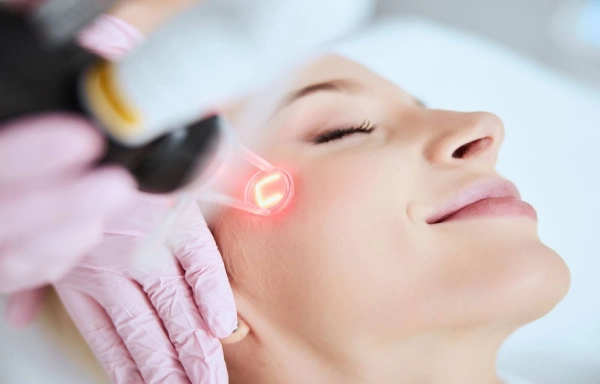
Sun exposure, hormonal changes, acne marks, and ageing can contribute to dark spots, pigmentation, and uneven skin tone. These concerns may make the complexion appear dull or patchy, even when you follow a regular skincare routine. For people exploring skin whitening treatment in mumbai, laser-based skin lightening may be an option after a dermatologist identifies the cause of pigmentation and assesses the skin’s needs. Dr. Deepam Shah at Viva Aesthetic Clinic provides dermatology and aesthetic treatments designed to address individual skin concerns.
The goal of treatment is to improve skin clarity and reduce unwanted pigmentation while preserving the skin’s natural colour and health. Results depend on the diagnosis, skin type, treatment choice, and aftercare.
What Is Laser Skin Lightening?
Laser skin lightening uses controlled light energy to target selected pigment deposits in the skin. Depending on the device and treatment plan, the procedure may help improve the appearance of sunspots, freckles, certain forms of hyperpigmentation, and some acne-related marks.
Melanin is the natural pigment that gives skin its colour. When melanin is produced or distributed unevenly, darker patches can appear. Certain laser systems target pigment in selected areas, allowing the body to gradually clear the treated particles.
Laser treatment is not suitable for every pigmentation condition. Melasma, for example, may recur and can sometimes worsen if the wrong device or settings are used. A professional assessment is essential before proceeding.
Common Skin Concerns That May Benefit
A dermatologist may consider laser treatment for selected cases of:
- Sunspots and sun-related pigmentation: Dark marks that develop after repeated ultraviolet exposure.
- Freckles: Small pigmented spots that may become more noticeable with sunlight.
- Post-inflammatory hyperpigmentation: Dark marks that remain after acne, irritation, or injury.
- Uneven skin tone: Areas of pigmentation that make the complexion look patchy.
- Selected cases of melasma: Treatment may be considered cautiously alongside other therapies, as melasma can be difficult to manage and may recur.
Not all dark spots should be treated with a laser without diagnosis. A changing, irregular, bleeding, or unusual pigmented lesion should be medically assessed before any cosmetic procedure.
Types of Laser Treatments for Skin Lightening
The most appropriate device depends on the type and depth of pigmentation, skin tone, medical history, and risk of post-treatment darkening.
1. Q-Switch Laser
Q-Switch lasers deliver short pulses of energy that target selected pigment. They may be used for certain sunspots, freckles, and other pigment concerns. The settings and number of sessions must be tailored to the individual.
2. Fractional Lasers
Fractional laser systems create controlled treatment zones in the skin and may be considered for certain textural concerns, acne scars, and selected pigmentation problems. More intensive treatments can involve longer recovery and a greater risk of irritation or pigment changes.
3. Picosecond Laser
Picosecond devices deliver very short pulses of energy and may be used for certain pigment concerns where the device is suitable. Availability, indications, and results depend on the equipment and clinical assessment.
A dermatologist will explain the benefits, limitations, and risks of the recommended option rather than selecting a laser solely because it is newer or more powerful.
What Happens During the Procedure?
Treatment generally begins with a consultation and skin assessment. The dermatologist reviews the pattern of pigmentation, medical history, previous treatments, current skincare products, and any tendency to develop dark marks after irritation.
If laser treatment is appropriate, the skin is prepared according to the device protocol. Protective eyewear is used, and the laser is applied to the selected area. Patients may experience a brief snapping, warming, or tingling sensation. Comfort measures may be recommended depending on the procedure.
The duration varies according to the area treated and the type of laser. Some patients can return to routine activities soon after treatment, while others may experience redness, swelling, sensitivity, or temporary crusting.
How Many Sessions Are Needed?
There is no single session count for every patient. The number depends on the type and depth of pigmentation, the laser selected, the skin’s response, and whether other treatments are needed.
Several sessions spaced weeks apart may be recommended. Some concerns improve gradually, while others may respond incompletely or recur. Your dermatologist should explain the expected treatment schedule and review progress before additional sessions.
Benefits and Possible Side Effects
Laser treatment may help reduce the visibility of selected dark spots, improve skin tone, and address certain texture concerns without surgery. However, it does not guarantee flawless skin or permanently prevent new pigmentation.
Possible side effects include redness, swelling, dryness, temporary discomfort, blistering, infection, scarring, or changes in pigmentation. People with darker skin tones may have a higher risk of post-inflammatory hyperpigmentation with some devices or settings, so careful selection and technique are particularly important.
Avoid unregulated skin-lightening creams or products containing undisclosed ingredients, mercury, or unsupervised potent steroids. Never attempt to lighten your natural skin colour through unsafe products or procedures.
Aftercare and Maintaining Results
Aftercare plays an important role in protecting treated skin and reducing the chance of further pigmentation. Your dermatologist may recommend:
- Applying a broad-spectrum sunscreen of SPF 30 or higher and reapplying it as advised.
- Limiting direct sun exposure and using protective clothing.
- Keeping the skin moisturised with suitable products.
- Avoiding harsh exfoliants, retinoids, or irritating products until cleared by the doctor.
- Not picking or rubbing peeling or crusted skin.
- Attending follow-up appointments to assess healing and response.
If pigmentation is linked to hormonal factors, acne, or another underlying condition, ongoing treatment may be needed to manage the cause.
Why Choose Dr. Deepam Shah at Viva Aesthetic Clinic?
Dr. Deepam Shah is a dermatologist, cosmetologist, and hair transplant surgeon practising in South Mumbai. His professional profile lists more than a decade of experience in skin and hair treatments and identifies him as the founder of Viva Aesthetic Clinic.
His qualifications include MBBS from the University of Bombay, DNB in Dermatology and Venereology from the University of Delhi, and a Fellowship in Aesthetic Medicine, Hair Transplant, Dermatology, and Cosmetology from the Institute of Laser & Aesthetic Medicine (ILAMED). His profile also lists a Silver Medal in the MUHS examination and recognition as Best Post Graduate Student by the Galderma Institute.
Viva Aesthetic Clinic describes its facility as a 1,000-square-foot clinic equipped with lasers and aesthetic medical devices. Patients can discuss pigmentation, skincare, and treatment options with the clinical team and receive a plan tailored to their skin type and concerns.
Those searching for a Dermatologist and Skin Specialist in Mumbai or a Dermatologist in Mumbai should look for appropriate qualifications, clear risk discussions, and a treatment plan that prioritises skin health rather than promising a particular complexion.
Schedule Your Consultation Today
If dark spots, sun-related pigmentation, or uneven skin tone concern you, arrange a dermatology consultation to learn which options may be suitable. Dr. Deepam Shah can assess your skin and discuss the expected benefits, risks, cost, and aftercare of laser treatment.
Consult Dr. Deepam Shah at Viva Aesthetic Clinic for personalised dermatology and aesthetic care.


 Visit: Viva Aesthetic Clinic, Opera House or Colaba, Mumbai
Frequently Asked Questions (FAQs)
1. Is laser skin lightening suitable for all skin types?
Not every laser or setting is suitable for every skin type. A dermatologist should assess your skin tone, pigmentation pattern, medical history, and risk of post-inflammatory darkening before recommending treatment.
2. How many laser sessions will I need?
The number varies with the type and depth of pigmentation and the device used. Some people need several sessions, while others may require a different treatment approach.
3. Is laser skin lightening permanent?
Results vary. Sunspots may improve, but new pigmentation can develop with sun exposure, hormonal changes, or inflammation. Sun protection and appropriate skincare help maintain results.
4. What should I do after laser treatment?
Follow your dermatologist’s instructions, protect your skin from sunlight, use recommended moisturisers, and avoid irritating skincare products until advised. Contact the clinic if you develop severe pain, blistering, or unexpected skin changes.


Comments
Post a Comment