Surgery for Cytoreduction: Advanced Cancer Care by Dr. Chintamani Godbole
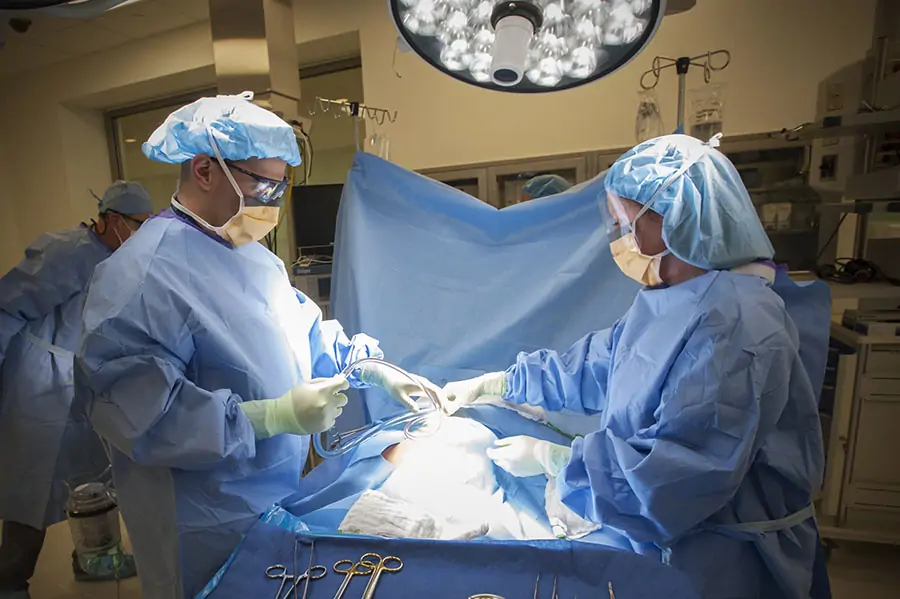
A diagnosis of cancer that has spread to the lining of the abdomen can raise many questions about treatment options and long-term care. Surgery for cytoreduction is a specialised surgical approach used for selected cancers involving the peritoneum, the thin membrane lining the abdominal cavity. The procedure aims to remove all visible cancer deposits when this is technically feasible and medically appropriate. Dr. Chintamani Godbole, a gastrointestinal and colorectal surgeon associated with Gadre Hospital in Dadar East, Mumbai, specialises in complex abdominal and colorectal cancer surgery, including cytoreductive surgery and Hyperthermic Intraperitoneal Chemotherapy (HIPEC).
Treatment suitability depends on the type of cancer, how far it has spread, the patient’s general health and whether complete removal of visible disease is achievable. A specialist consultation helps patients understand the potential benefits, limitations and risks of treatment.
What Is Cytoreductive Surgery?
Cytoreductive surgery, often abbreviated as CRS, is an extensive operation designed to remove visible cancer deposits from the peritoneal surfaces and affected abdominal organs when necessary. It may be considered for certain cancers that have spread within the abdominal cavity, including selected cases of colorectal cancer, appendiceal cancer and pseudomyxoma peritonei. Some patients with other peritoneal malignancies may also be evaluated.
Unlike a straightforward operation to remove a single tumour, cytoreductive surgery can involve several areas of the abdomen. Depending on the distribution of disease, the surgeon may need to remove affected sections of the bowel, the omentum or other involved tissues and organs.
The goal is to achieve complete cytoreduction, meaning that no visible cancer deposits remain. However, this is not possible for every patient. The operation is considered only after detailed assessment of the tumour’s extent, the likelihood of complete removal and the risks associated with major surgery.
What Is the Role of HIPEC?
HIPEC stands for Hyperthermic Intraperitoneal Chemotherapy. It may be combined with cytoreductive surgery in selected patients.
After the surgeon removes visible cancer deposits, heated chemotherapy medication is circulated within the abdominal cavity for a prescribed period. The solution is then drained, and the surgical procedure is completed according to the treatment plan.
The purpose of HIPEC is to expose the abdominal surfaces to chemotherapy that may act against microscopic cancer cells remaining after surgery. It is different from conventional intravenous chemotherapy, which delivers medication through the bloodstream.
CRS and HIPEC are not appropriate for every abdominal cancer. The decision depends on the tumour type, disease distribution, previous treatment, overall health and available evidence for the specific diagnosis. Your oncology team can explain whether the combined approach offers a meaningful potential benefit compared with other treatments.
Which Conditions May Require Cytoreductive Surgery?
Specialists may evaluate cytoreductive surgery for selected patients with:
- Colorectal cancer with peritoneal spread: Cancer originating in the colon or rectum that has spread to the abdominal lining.
- Appendiceal tumours: Certain tumours arising in the appendix that produce disease within the peritoneal cavity.
- Pseudomyxoma peritonei: An uncommon condition involving the accumulation of mucinous material in the abdomen, usually associated with an appendiceal tumour.
- Selected ovarian or other peritoneal malignancies: Some patients may be considered for cytoreduction under the relevant specialist oncology team.
The diagnosis alone does not determine eligibility. Extensive involvement of vital structures, disease outside the abdomen, limited physiological fitness or an inability to remove the visible disease safely may make the procedure unsuitable.
How Is a Patient Evaluated Before Surgery?
Careful assessment is essential because cytoreductive surgery is a major operation. The team reviews the patient’s medical history, previous operations, pathology results and any chemotherapy already received.
Investigations may include CT or MRI scans, blood tests and review of biopsy findings. In selected cases, additional procedures may be needed to determine how extensively the cancer involves the abdominal surfaces.
The multidisciplinary team may include a gastrointestinal or surgical oncologist, medical oncologist, radiologist, pathologist, anaesthesiologist, dietitian and other specialists. Together, they assess whether complete cytoreduction is feasible and whether the expected benefits justify the risks.
Patients should ask about the intended surgical outcome, alternative treatments, potential complications, expected hospital stay and the possibility that the operation may need to be modified if the findings differ from those anticipated.
Meet Dr. Chintamani Godbole
Dr. Chintamani Godbole is a gastrointestinal surgeon with a special interest in colorectal surgery, robotic colorectal surgery, colon and rectal cancer and peritoneal surface oncology. He consults at Gadre Hospital in Dadar East and is also affiliated with other hospitals in Mumbai.
Qualifications and Specialist Training
Dr. Godbole’s professional profile lists the following qualifications:
- MBBS and MS in General Surgery: Seth G. S. Medical College and KEM Hospital, Mumbai.
- DNB in Surgical Gastroenterology: Jaslok Hospital and Research Centre, Mumbai.
- FRCS (Edinburgh, UK): Fellowship of the Royal College of Surgeons of Edinburgh.
His advanced professional training includes experience in minimally invasive colorectal surgery, robotic colorectal surgery, colorectal cancer surgery, peritoneal cytoreductive surgery and HIPEC in the United Kingdom. His profile also describes training at the Peritoneal Malignancy Institute in Basingstoke and experience working as a consultant in general and colorectal surgery at University Hospitals Coventry, UK.
This specialist background is relevant to complex abdominal cancer cases, where surgical planning and careful assessment of disease distribution are central to treatment decisions.
What Happens During Recovery?
Recovery after cytoreductive surgery varies depending on the extent of the operation, the organs involved and whether HIPEC is performed. Patients generally require a hospital stay for close monitoring, pain control, fluid management and gradual return of bowel function.
The care team monitors for complications such as infection, bleeding, blood clots, bowel leakage, delayed bowel function and nutritional difficulties. Some patients may need temporary dietary adjustments, rehabilitation or additional support before returning to daily activities.
Recovery can take several weeks or longer, particularly after extensive surgery. Follow-up appointments help assess healing, review pathology results and coordinate further cancer treatment where needed.
The treating team will provide individual instructions about wound care, activity, nutrition, medication and warning signs that require urgent medical attention. Patients should not compare their recovery directly with someone else’s because the extent of surgery and the underlying cancer can differ significantly.
Why Choose Specialist Consultation at Gadre Hospital?
Complex cancer surgery requires an experienced surgical team, appropriate hospital facilities and coordinated follow-up. Dr. Chintamani Godbole’s practice includes colorectal and gastrointestinal surgery, with a specialist interest in peritoneal surface malignancy and cytoreductive procedures.
During a consultation, patients can discuss their diagnosis, imaging reports, biopsy results and previous treatments. The doctor can help explain whether further investigations are needed and whether cytoreductive surgery, HIPEC, systemic therapy or another approach should be considered.
If you are looking for a Colorectal Surgeon in Mumbai or the Best Doctor for Gastroenterology in Mumbai for a complex abdominal cancer assessment, a specialist consultation can help clarify the available options. Treatment recommendations should be based on individual medical findings rather than general success claims.
Book a Consultation with Dr. Chintamani Godbole
If you or a family member has been diagnosed with a peritoneal malignancy or abdominal cancer, seek specialist advice to understand the treatment options. Dr. Chintamani Godbole can review the available medical information and discuss whether cytoreductive surgery may be suitable.
Call: 81087 91470
Email: drchintamanigodbole@gmail.com
Get Directions to Gadre Hospital.
Call the clinic to enquire about an appointment and ask which reports or scans you should bring to the consultation.
Frequently Asked Questions
1. What is the main purpose of cytoreductive surgery?
The goal is to remove all visible cancer deposits from the abdominal lining and affected tissues when feasible. It may be considered for selected cancers that have spread within the peritoneal cavity. The potential benefit depends on the cancer type and extent of disease.
2. Is HIPEC always performed after cytoreductive surgery?
No. HIPEC is considered for selected patients and cancer types. The oncology team evaluates the diagnosis, disease distribution, overall health and available evidence before recommending it.
3. How long does recovery from cytoreductive surgery take?
Recovery depends on the complexity of the operation and the patient’s overall condition. Hospitalisation is generally required, and recovery at home may take several weeks or longer. The surgical team provides an individual recovery and follow-up plan.
4. How can I book a consultation with Dr. Chintamani Godbole?
You can call 81087 91470 or email drchintamanigodbole@gmail.com to enquire about an appointment at Gadre Hospital, Dadar East, Mumbai. Bring your biopsy reports, scans, medication list and details of previous cancer treatments if available.


Comments
Post a Comment