Tonsillectomy in Mumbai: Expert Tonsil Care by Dr. Shama Kovale
Repeated throat infections, painful swallowing, enlarged tonsils, and disturbed sleep can affect everyday comfort in both children and adults. For patients experiencing persistent or recurrent tonsil problems, tonsillectomy in mumbai may be an option when appropriate medical treatment does not provide sufficient relief or when enlarged tonsils interfere with breathing during sleep. Dr. Shama Kovale, an experienced ENT specialist at Kokilaben Dhirubhai Ambani Hospital, provides specialist evaluation to help patients understand their condition and explore suitable treatment options.
Tonsillectomy is a surgical procedure to remove the tonsils, two areas of lymphatic tissue located at the back of the throat. Although tonsils help the immune system recognise germs, some people develop repeated infections or significant enlargement that can affect their health and quality of life. Surgery is recommended only after considering the patient’s symptoms, medical history, examination findings, and available alternatives.
What Is Tonsillitis?
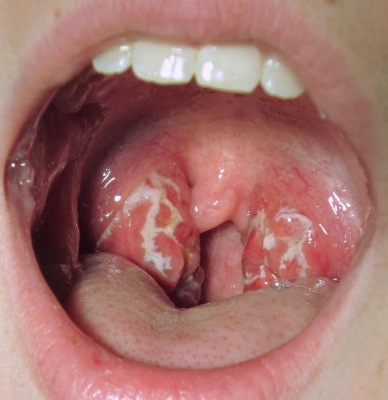
Tonsillitis is inflammation of the tonsils, commonly caused by viral infections and sometimes by bacterial infections such as group A streptococcus. It can affect children, teenagers, and adults.
Common symptoms include:
- Sore throat and pain while swallowing.
- Red or swollen tonsils, sometimes with white patches.
- Fever and swollen glands in the neck.
- Bad breath associated with persistent tonsil inflammation.
- Repeated episodes of throat infection.
- Enlarged tonsils that contribute to snoring or breathing difficulties during sleep.
Not every sore throat is caused by tonsillitis. Viral throat infections, allergies, acid reflux, and other conditions can produce similar symptoms. An ENT specialist can assess the cause and recommend appropriate treatment.
When Is Tonsillectomy Recommended?
Many cases of acute tonsillitis improve with supportive care and, when indicated, prescribed medication. Surgery may be considered when tonsil-related problems are frequent, severe, or significantly affect daily life.
An ENT specialist may discuss tonsillectomy in situations such as:
Recurrent tonsillitis: Repeated, documented episodes that cause substantial pain, fever, missed school or work, or repeated medical visits may justify a surgical assessment. The frequency, severity, and impact of infections help guide the decision.
Chronic tonsil problems: Persistent symptoms, including ongoing discomfort or recurrent inflammation, may require further evaluation to determine whether surgery is appropriate.
Enlarged tonsils and sleep-disordered breathing: Large tonsils can narrow the upper airway, contributing to snoring, disturbed sleep, or obstructive sleep apnoea. Children with sleep-related breathing problems should receive an appropriate assessment.
Complications: A peritonsillar abscess, sometimes called quinsy, may require urgent treatment. Tonsillectomy may be considered in selected cases depending on the history and clinical findings.
The decision is individualised. Tonsillectomy is not routinely needed for every episode of sore throat, and the potential benefits must be weighed against surgical risks and recovery requirements.
Why Consult Dr. Shama Kovale?
Dr. Shama S. Kovale is a senior ENT consultant and surgeon practising at Kokilaben Dhirubhai Ambani Hospital and Medical Research Institute in Andheri West, Mumbai. She holds an MBBS, Diploma in Otorhinolaryngology (DLO), and MS in ENT from B.Y.L. Nair Hospital and Topiwala National Medical College, Mumbai.
With more than 23 years of clinical and surgical experience, Dr. Kovale has managed a broad range of ear, nose, and throat conditions. Her additional training includes a fellowship in phonosurgery at Bombay Hospital, cochlear implant surgery training at P.D. Hinduja Hospital, and advanced training in voice and swallowing disorders at the University of California, Davis, in the United States.
Her expertise spans airway disorders, endoscopic ENT procedures, voice and swallowing problems, sinus conditions, and selected paediatric and adult ENT surgeries. She has also worked at established institutions including Hinduja Hospital, Bhagwati Hospital, and A.J.B. ENT Hospital, and participates in ENT research and professional education.
Patients searching for the Best ENT in Mumbai should look for a specialist who carefully evaluates the cause of their symptoms, explains treatment alternatives, and discusses the benefits and risks of surgery. Dr. Kovale’s broad ENT background supports a comprehensive approach to diagnosing throat and tonsil-related concerns.
What Happens Before Tonsil Surgery?
Before recommending an operation, the doctor reviews the patient’s symptoms, the number and severity of previous infections, medical history, medication use, and any history of sleep or breathing problems.
A physical examination of the throat and tonsils helps assess their size and appearance. Additional tests may be advised when clinically necessary. For children who snore heavily or have pauses in breathing during sleep, further assessment for obstructive sleep apnoea may be appropriate.
Patients looking for ENT Specialists Near Me in Mumbai can arrange an appointment to discuss whether their symptoms warrant specialist treatment. The consultation is also an opportunity to ask about anaesthesia, recovery, risks, and expected outcomes.
How Is Tonsillectomy Performed?
Tonsillectomy is generally performed under general anaesthesia. The surgeon removes the tonsils through the mouth, so an external skin incision is usually not required.
The exact surgical technique depends on the patient’s condition and the surgeon’s clinical judgement. The team monitors the patient during recovery and provides instructions about pain control, hydration, food, and follow-up.
Tonsillectomy is commonly performed as a planned procedure, but the need for hospital observation or discharge on the same day depends on the patient’s age, health, clinical circumstances, and hospital protocol.
As with any operation, possible risks include bleeding, infection, reactions to anaesthesia, dehydration, and pain during recovery. Bleeding can occur after the operation, including several days later, and requires urgent medical attention.
Recovery After Tonsillectomy
Throat pain is expected after tonsil surgery and may sometimes be felt in the ears. Pain can temporarily make swallowing uncomfortable, so following the prescribed pain-management plan is important.
Recovery commonly takes around 10–14 days, although individual experiences vary. Children and adults may recover at different rates.
Helpful recovery measures include:
- Drink fluids regularly to reduce the risk of dehydration.
- Follow the surgeon’s advice about suitable foods and gradual return to a normal diet.
- Take prescribed medicines according to the instructions.
- Rest and avoid strenuous activity until the treating team advises it is safe.
- Attend recommended follow-up appointments.
Important: Fresh bleeding from the mouth or throat after tonsillectomy is an emergency. Seek immediate medical care rather than waiting for a routine appointment.
Tonsillectomy Care at Kokilaben Dhirubhai Ambani Hospital
Kokilaben Dhirubhai Ambani Hospital and Medical Research Institute provides a hospital-based setting for specialist ENT consultations, investigations, surgical planning, and postoperative monitoring. This environment allows patients to access evaluation and coordinated care according to their clinical needs.
The appropriate treatment plan depends on the patient’s symptoms and diagnosis. Some patients benefit from medical management and observation, while others with recurrent infections or significant airway obstruction may be considered for surgery.
Schedule Your Consultation Today
If repeated throat infections, enlarged tonsils, or sleep-related breathing problems are affecting you or your child, consult an ENT specialist for an accurate diagnosis and personalised guidance. Dr. Shama Kovale can assess your symptoms and explain whether medication, monitoring, or surgery may be appropriate.
Consult Dr. Shama Kovale at Kokilaben Dhirubhai Ambani Hospital for timely evaluation and expert ENT care.
Give Us a Ring: +91-91528 50769
Email: drshamakovaleent@gmail.com
For patients considering tonsillectomy in mumbai, a consultation is the first step towards understanding the cause of recurring tonsil problems and choosing an appropriate treatment plan.
Frequently Asked Questions
1. Is tonsillectomy necessary for every case of tonsillitis?
No. Most individual episodes of tonsillitis can be managed without surgery. Tonsillectomy may be considered for frequent, severe infections, significant airway obstruction, or selected complications after specialist assessment.
2. How long does recovery after tonsillectomy take?
Recovery often takes around 10–14 days, although it varies by age and individual circumstances. Pain, especially while swallowing, is common during recovery. Following hydration, medication, activity, and follow-up instructions is important.
3. Can enlarged tonsils cause snoring in children?
Yes. Enlarged tonsils can narrow the airway and contribute to snoring, disturbed sleep, or obstructive sleep apnoea. Persistent symptoms, especially pauses in breathing, should be assessed by a qualified clinician.
4. How can I book an appointment with Dr. Shama Kovale?
Call +91-91528 50769 or email drshamakovaleent@gmail.com to arrange an ENT consultation at Kokilaben Dhirubhai Ambani Hospital, Andheri West, Mumbai.


Comments
Post a Comment