Best Squint Specialist in Greater Noida – Dr. Tanima Bansal and Dr. Payal Gupta
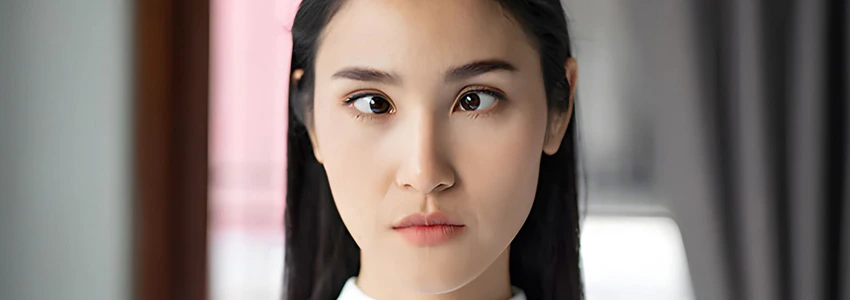
Healthy eye alignment is important for clear vision, depth perception, and everyday activities. When the eyes point in different directions instead of focusing on the same object, the condition is known as a squint or strabismus. It can affect children and adults, and early assessment can help identify associated vision problems and determine the most appropriate treatment.
At Oculus Eye Clinic, Dr. Tanima Bansal and Dr. Payal Gupta provide ophthalmic care, including assessment and treatment for squint and related eye conditions. Their training in ophthalmology, combined with a patient-focused approach and access to modern eye-care technology, supports individualised evaluation and treatment planning.
If you have noticed eye misalignment, double vision, or unusual head tilting in your child, consulting the Best Squint Specialist in Greater Noida can help you understand the cause and available treatment options.
What Is a Squint?
A squint, medically called strabismus, occurs when the eyes do not align in the same direction. One eye may look straight ahead while the other turns inward, outward, upward, or downward. The misalignment can be constant or appear only at certain times, such as when a person is tired or focusing on nearby objects.
Squint may develop during infancy or childhood, but it can also occur in adulthood. In some cases, it is associated with refractive errors, problems affecting eye muscles or nerves, or other medical conditions. The underlying cause and its effect on vision differ from person to person.
A professional eye examination is important because squint is not simply a cosmetic concern. In children, certain forms of misalignment can interfere with normal visual development and contribute to amblyopia, commonly called lazy eye.
Common Types of Squint
Understanding the direction of eye misalignment can help explain the condition:
- Esotropia: One eye turns inward, towards the nose.
- Exotropia: One eye turns outward, away from the nose.
- Hypertropia: One eye turns upward in relation to the other.
- Hypotropia: One eye turns downward in relation to the other.
Squint may also be classified according to whether it is constant or intermittent. An ophthalmologist evaluates the pattern of misalignment, visual function, and possible underlying causes before recommending treatment.
Signs and Symptoms That Should Not Be Ignored
Squint symptoms can vary depending on the patient’s age and the severity of the misalignment. Parents may notice that a child’s eyes do not appear to look in the same direction. Adults may experience double vision or difficulty judging distances.
Common signs include:
- One or both eyes pointing in different directions
- Double vision or difficulty maintaining visual focus
- Frequent head tilting or turning to see clearly
- Eye strain or visual discomfort
- Difficulty judging distances or depth
- Closing one eye in bright light or while focusing
- Reduced vision in one eye in some children
If these symptoms appear suddenly, particularly with double vision, severe headache, drooping eyelid, weakness, or other neurological symptoms, seek urgent medical assessment. Sudden-onset squint in an adult should not be ignored.
Why Early Squint Assessment Matters
Early assessment is particularly important for children because their visual systems are still developing. When the eyes are misaligned, the brain may begin favouring one eye, potentially affecting vision in the other. Timely diagnosis can help identify amblyopia and determine whether treatment is needed to support visual development.
Adults can also benefit from assessment. Squint may affect depth perception, reading, driving, work, and social confidence. When double vision occurs, it can make routine tasks difficult and may indicate an underlying condition that needs prompt evaluation.
Treatment does not look the same for every patient. The ophthalmologist considers the type of squint, the patient’s age, visual acuity, eye movements, and any associated eye or health conditions before deciding on a care plan.
How Is Squint Diagnosed?
A detailed eye examination helps establish the type and cause of squint. Depending on the patient’s age and symptoms, the assessment may include:
1. Visual acuity testing: Measures how clearly each eye sees and helps identify differences in vision.
2. Eye alignment and movement assessment: Checks how the eyes work together and whether movement is restricted or misaligned.
3. Cover testing: Helps identify and measure eye deviation by observing eye movements when each eye is covered and uncovered.
4. Refraction testing: Checks for refractive errors, such as farsightedness, that may contribute to certain types of squint.
5. Comprehensive eye examination: Evaluates overall eye health and helps identify associated conditions.
Additional tests may be recommended when the symptoms, examination findings, or medical history suggest that further investigation is needed.
Squint Treatment Options
The appropriate treatment depends on the cause and severity of the misalignment. After a thorough examination, the ophthalmologist may recommend one or more of the following approaches.
Prescription Glasses
When refractive errors contribute to squint, suitable glasses may improve focusing and, in some cases, help control the eye deviation. The need for glasses depends on the examination findings.
Amblyopia Treatment
If a child has lazy eye associated with squint, treatment may include patching the stronger eye or other methods recommended by the ophthalmologist. The purpose is to encourage the affected eye to develop better vision. Treatment should be supervised, with follow-up to monitor progress.
Squint Surgery
When surgery is appropriate, it usually involves adjusting the position or tension of selected eye muscles to improve alignment. The procedure and expected results depend on the type of squint and the patient’s individual condition. Surgery may improve eye alignment, but some patients still need glasses, amblyopia treatment, or further follow-up.
Not every patient requires surgery. A specialist can explain the benefits, limitations, risks, and likely recovery process before treatment begins.
Meet Dr. Tanima Bansal and Dr. Payal Gupta at Oculus Eye Clinic
Choosing an ophthalmologist with relevant training and experience is an important part of managing squint. At Oculus Eye Clinic, patients can consult Dr. Tanima Bansal and Dr. Payal Gupta for eye assessment and guidance on suitable treatment options.
Dr. Tanima Bansal
Dr. Tanima Bansal holds an MBBS degree with a gold medal from Shri Ram Murti Smarak Institute of Medical Sciences, Bareilly, and an MS in Ophthalmology from Baroda Medical College, Vadodara. She has also completed fellowship training at Dr. Shroff’s Charity Eye Hospital, New Delhi, with specialisation in glaucoma and anterior segment surgery.
Her clinical and surgical experience includes cataract procedures and the management of various eye conditions. The clinic profile reports more than 15 years of experience and over 5,000 phacoemulsification surgeries. Her broader ophthalmic background supports comprehensive eye evaluation and care.
Dr. Payal Gupta
Dr. Payal Gupta completed her MBBS at Sikkim Manipal Institute of Medical Sciences and DNB in Ophthalmology at St. Stephen’s Hospital, Delhi. She pursued further fellowship training in cataract and anterior segment care, paediatric ophthalmology, and strabismus at Sadguru Netra Chikitsalaya, Chitrakoot.
With more than 10 years of experience, she has a particular interest in children’s eye conditions, amblyopia, squint, and eye movement disorders. Her experience includes a broad range of ocular surgeries and specialist ophthalmic care, making her training relevant to patients who require evaluation for misaligned eyes.
What to Expect at Oculus Eye Clinic
Oculus Eye Clinic in Greater Noida provides a range of ophthalmic services, including comprehensive eye examinations, paediatric eye care, amblyopia therapy, cataract assessment, glaucoma care, and squint services.
The clinic describes its approach as patient-centred, combining modern ophthalmic equipment with a friendly and professional team. Patients can discuss their symptoms, understand the examination findings, and learn about the treatment options suitable for their condition.
For families, clear explanations and age-appropriate assessment are particularly important when a child has a squint. The treatment plan should reflect the child’s visual development, examination results, and follow-up needs.
Patients searching for the Best Squint Specialist in Greater Noida can contact Oculus Eye Clinic to arrange an assessment with Dr. Tanima Bansal or Dr. Payal Gupta. An in-person examination is the best way to determine whether glasses, amblyopia treatment, surgery, or another approach may be appropriate.
Book a Squint Consultation at Oculus Eye Clinic
Do not ignore persistent eye misalignment, double vision, or changes in your child’s eye movements. Early evaluation can help identify the cause and clarify the next steps.
Consult Dr. Tanima Bansal and Dr. Payal Gupta at Oculus Eye Clinic for professional eye assessment and personalised guidance on squint management.
 +

Call the clinic to confirm the available consultation time before visiting.
Frequently Asked Questions
1. What causes a squint in children?
Squint may be associated with refractive errors, differences in eye muscle function, nerve-related conditions, family history, or certain medical conditions. Sometimes the cause is not immediately clear. An ophthalmologist can examine the child and recommend suitable treatment.
2. Can squint be corrected without surgery?
Some types of squint may be managed with prescription glasses or amblyopia treatment, depending on the cause and the patient’s needs. Other cases may require surgery. An eye specialist can explain which options are appropriate after an examination.
3. Is squint surgery suitable for adults?
Yes, squint surgery may be considered for adults when clinically appropriate. The decision depends on the type and degree of misalignment, symptoms, overall eye health, and the expected benefits and risks. Sudden-onset squint in an adult needs prompt medical assessment.
4. When should I take my child to a squint specialist?
Arrange an eye examination if your child’s eyes appear misaligned, the child frequently tilts their head to focus, or you notice unusual visual behaviour. Early assessment is important because some squint conditions can affect visual development. Sudden changes in eye alignment require urgent medical attention.


Comments
Post a Comment